

Operation Process and Working Principle of Phosphorus Pentachloride Material Pneumatic Conveying Mac
Phosphorus pentachloride (PCl₅) is a highly reactive and corrosive chemical compound widely used in the chemical industry for various applications, including the production of pesticides, pharmaceuticals, and other organic compounds. The safe and efficient handling of PCl₅ is crucial due to its hazardous nature, making specialized equipment like pneumatic conveying systems essential for industrial operations. This article provides an in-depth look at the operation process and working principle of a PCl₅ material pneumatic conveying machine, highlighting its design, functionality, and operational steps.

Introduction to Phosphorus Pentachloride and Pneumatic Conveying
Phosphorus pentachloride is a colorless to yellowish crystalline solid that reacts vigorously with water, releasing toxic and corrosive gases. Due to its hazardous properties, handling PCl₅ requires robust and reliable equipment that can maintain a closed system to prevent exposure and contamination. Pneumatic conveying systems offer a solution by transporting the material in a sealed environment using air or other gases, minimizing the risk of leaks and ensuring safe material transfer. The PCl₅ material pneumatic conveying machine is specifically engineered to handle this corrosive chemical, combining advanced materials and control systems to ensure optimal performance.
Company Overview: Shandong HeadPowder Engineering Co., Ltd.
Shandong HeadPowder Engineering Co., Ltd. is a leading manufacturer specializing in industrial conveying equipment, with a strong focus on providing customized solutions for hazardous materials. HeadPowder has extensive experience in designing and manufacturing pneumatic conveying systems for various chemical applications, including those involving corrosive and reactive substances like PCl₅. The company's commitment to quality, safety, and innovation has established it as a trusted partner in the chemical processing industry. HeadPowder's facilities are located in Shandong, China, where they leverage advanced technology and skilled engineering to develop high-performance conveying solutions.
Key Components of the PCl₅ Pneumatic Conveying Machine
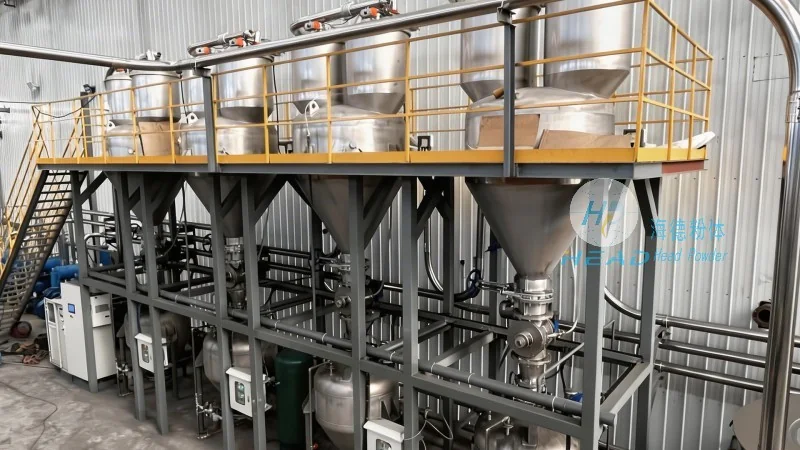
The PCl₅ material pneumatic conveying machine consists of several critical components that work together to ensure efficient and safe operation. These components include the hopper, which stores the PCl₅ material; the feeder, which controls the material flow into the system; the conveying line, which transports the material using compressed air; the receiver, which collects the material at the destination; and the control system, which monitors and regulates the entire process. Each component is designed with materials resistant to the corrosive nature of PCl₅, such as stainless steel or specialized alloys, to prevent degradation and ensure long-term durability.
Working Principle of the PCl₅ Pneumatic Conveying Machine
The operation of the PCl₅ pneumatic conveying machine is based on the principle of pneumatic transport, where the material is suspended in a stream of air and transported through the system. The process begins with the material being fed from the hopper into the conveying line. The feeder regulates the flow rate, ensuring a consistent and controlled amount of PCl₅ enters the system. Compressed air is then introduced into the conveying line, creating a high-velocity air stream that lifts and transports the material particles. The air and material mixture travels through the pipeline to the receiver, where the material is separated from the air and collected. The control system continuously monitors parameters such as pressure, flow rate, and temperature to maintain optimal conditions and prevent system failures.
Operation Process: Step-by-Step Guide
The operation of the PCl₅ material pneumatic conveying machine follows a systematic process to ensure safe and efficient material transfer. The steps are as follows:
- Preparation and Setup: The system is prepared by checking all components for proper installation and functionality. The hopper is filled with PCl₅ material, and the feeder is calibrated to the desired flow rate. The compressed air system is activated, and the pressure is adjusted to the optimal level for conveying.
- Material Feeding: The feeder starts operating, feeding PCl₅ from the hopper into the conveying line at a controlled rate. The material is mixed with compressed air, creating a slurry-like mixture that is transported through the pipeline.
- Conveying and Transport: The air stream transports the PCl₅ particles through the conveying line to the receiver. The velocity of the air is maintained at a level sufficient to keep the material suspended and prevent clogging or blockages in the pipeline.
- Material Collection: At the receiver, the material is separated from the air using a cyclone or other separation device. The PCl₅ is collected in a container, while the air is filtered and discharged safely. The control system monitors the pressure and flow rate to ensure the material is delivered to the receiver without issues.
- System Shutdown: When the material transfer is complete, the system is shut down by stopping the feeder and reducing the air pressure. The hopper and receiver are emptied, and the system is cleaned to remove any residual PCl₅ and prevent contamination.
Advantages of the PCl₅ Pneumatic Conveying Machine
The PCl₅ material pneumatic conveying machine offers several advantages over traditional conveying methods, such as mechanical or gravity systems. These advantages include:
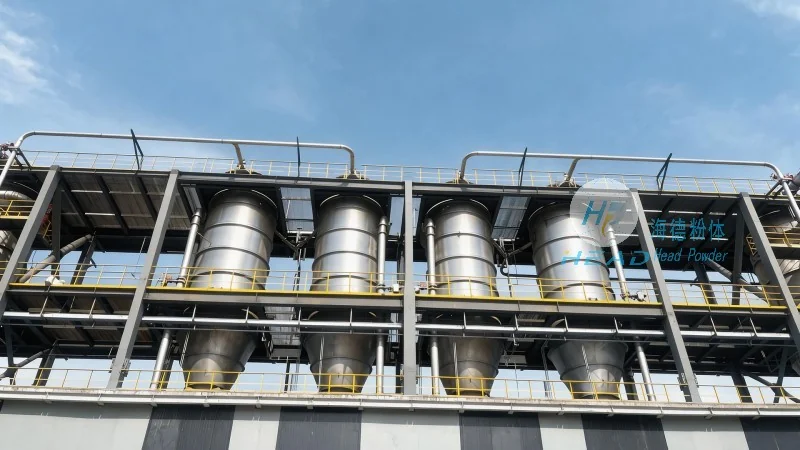
- Safe Handling: The closed system prevents exposure to PCl₅, reducing the risk of inhalation or contact with the corrosive material.
- Efficient Transport: The high-velocity air stream ensures rapid and consistent material transfer, minimizing downtime and increasing productivity.
- Customizable Design: The machine can be customized to handle different PCl₅ grades and flow rates, adapting to various industrial applications.
- Low Maintenance: The design minimizes moving parts, reducing the need for frequent maintenance and extending the equipment's lifespan.
- Cost-Effective: By eliminating the need for additional handling equipment and reducing labor costs, the system offers a cost-effective solution for PCl₅ transport.
Applications and Industries
The PCl₅ material pneumatic conveying machine is widely used in various industries that require the handling of PCl₅ and other hazardous chemicals. These industries include:
- Chemical Manufacturing: Used in the production of pesticides, pharmaceuticals, and other organic compounds where PCl₅ is a key raw material.
- Petrochemical Industry: Employed in processes involving the synthesis of chlorinated compounds and other chemical intermediates.
- Pharmaceuticals: Utilized in the manufacturing of active pharmaceutical ingredients (APIs) that require precise handling of PCl₅.
- Industrial Processing: Applied in facilities that handle large quantities of PCl₅ for bulk processing and distribution.
Maintenance and Safety Considerations
Proper maintenance and safety measures are essential to ensure the reliable operation of the PCl₅ pneumatic conveying machine. Regular inspections of components such as the hopper, feeder, and conveying line are necessary to check for signs of corrosion or wear. The control system should be calibrated regularly to maintain optimal performance. Safety protocols must be followed at all times, including the use of personal protective equipment (PPE) and proper ventilation to prevent exposure to PCl₅ fumes. HeadPowder provides comprehensive maintenance services and safety guidelines to ensure the equipment operates safely and efficiently.
Conclusion
The PCl₅ material pneumatic conveying machine is a critical piece of equipment for safely and efficiently handling phosphorus pentachloride in industrial applications. By understanding its working principle and operation process, users can optimize the system for their specific needs, ensuring productivity and safety. Shandong HeadPowder Engineering Co., Ltd. continues to innovate and provide high-quality conveying solutions that meet the demands of the chemical industry, helping businesses achieve their operational goals while maintaining the highest standards of safety and reliability.