

Operation Process and Working Principle of Gas-Pneumatic Conveying Equipment for Desulfurization and
Gas-pneumatic conveying equipment plays a crucial role in the efficient handling and transportation of fly ash generated from desulfurization and dust removal processes in power plants and industrial facilities. This equipment is designed to transport fine particulate materials like fly ash over long distances with minimal loss and high efficiency. The operation of such systems involves a combination of air flow dynamics, material feeding mechanisms, and control systems that work in tandem to ensure reliable and continuous material transport. In this article, we will explore the detailed operation process and working principles of gas-pneumatic conveying equipment for fly ash, highlighting the key components and their functions.
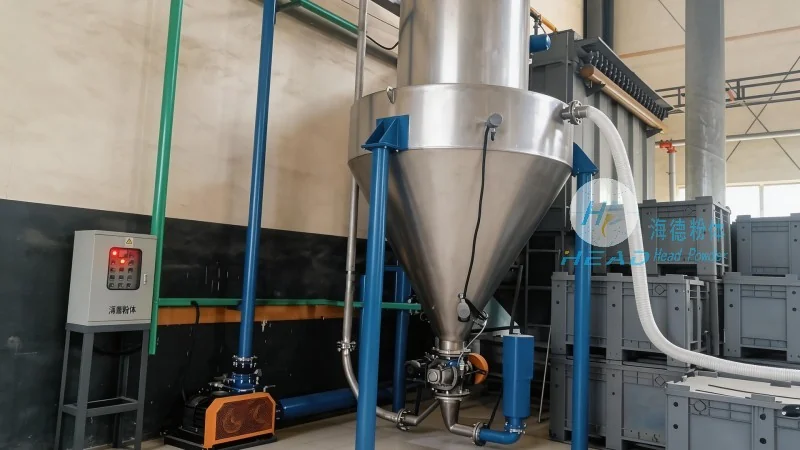
About Shandong HeadPowder Engineering Co., Ltd.
Shandong HeadPowder Engineering Co., Ltd., commonly known as HeadPowder, is a leading manufacturer and supplier of advanced material handling solutions, including gas-pneumatic conveying systems for various industrial applications. With a strong focus on innovation and quality, HeadPowder has established itself as a trusted partner in the power and environmental protection sectors. The company is headquartered in Shandong, China, and specializes in designing, manufacturing, and commissioning customized conveying equipment tailored to the specific needs of clients. HeadPowder's expertise lies in optimizing material transport processes, ensuring compliance with environmental regulations, and enhancing overall operational efficiency for industrial facilities.
Key Components of Gas-Pneumatic Conveying Systems
The gas-pneumatic conveying system for fly ash typically consists of several key components that work together to facilitate the transport process. These components include the material feeder, air compressor or blower, conveying pipeline, expansion joint, filter and dust collector, and control system. Each component plays a vital role in ensuring the smooth and efficient operation of the system.
Material Feeder
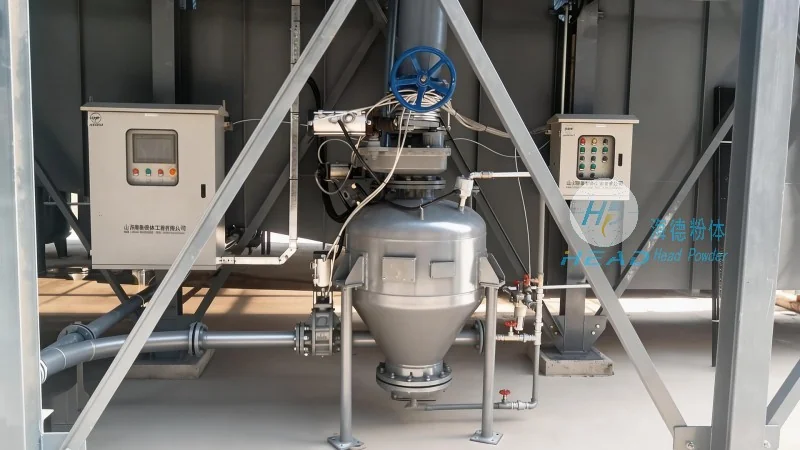
The material feeder is responsible for feeding the fly ash into the conveying pipeline at a controlled rate. Common types of feeders used in gas-pneumatic conveying systems include rotary valves, star feeders, and screw feeders. The feeder ensures that the material is introduced into the pipeline in a consistent manner, preventing blockages and maintaining the desired flow rate. The design of the feeder is critical to avoid material degradation and ensure the integrity of the fly ash particles during the transport process.
Air Compressor or Blower
The air compressor or blower is the heart of the gas-pneumatic conveying system, providing the necessary air pressure and flow rate to move the fly ash through the pipeline. The choice of compressor depends on the distance of transport, the material characteristics, and the required flow rate. Positive displacement blowers are commonly used for short to medium distance conveying, while centrifugal compressors are suitable for longer distances. The compressor maintains a consistent air pressure to ensure that the material is transported efficiently without excessive pressure drops or material degradation.
Conveying Pipeline
The conveying pipeline is the main channel through which the fly ash is transported. It is typically made of stainless steel or other corrosion-resistant materials to withstand the abrasive nature of fly ash and the effects of air flow. The pipeline is designed with appropriate bends and elbows to minimize pressure losses and ensure smooth material flow. The diameter of the pipeline is determined based on the material flow rate and the required air velocity to prevent material settling or blockages.
Expansion Joint
The expansion joint is installed in the pipeline to accommodate thermal expansion and contraction, as well as to allow for minor misalignments between pipeline sections. This component helps to maintain the integrity of the pipeline and prevent leaks or damage due to thermal stress. The expansion joint is typically made of flexible materials such as rubber or metal, and is designed to handle the pressure and temperature conditions of the conveying system.
Filter and Dust Collector
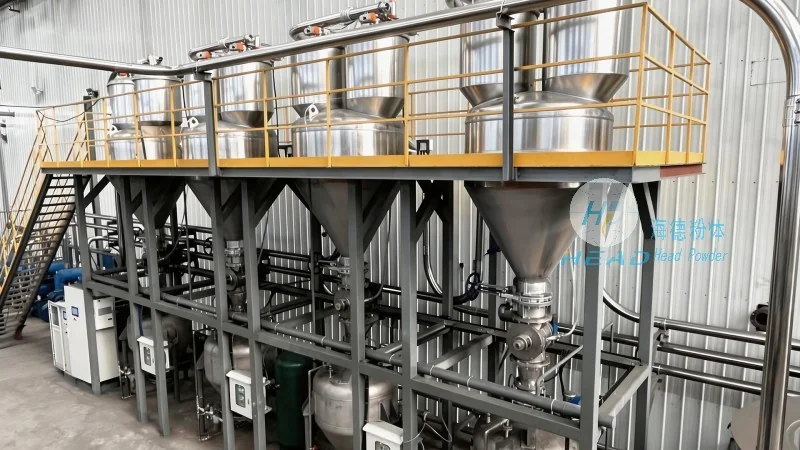
The filter and dust collector are essential components for maintaining air quality and ensuring compliance with environmental regulations. As the fly ash is transported through the pipeline, a portion of the material may be carried by the air stream and exit the system through the discharge point. The filter and dust collector capture these fine particles, preventing them from being released into the atmosphere and ensuring that the air discharged from the system meets the required emission standards. The filter media is typically made of high-efficiency materials such as fabric or mesh, and is designed to capture particles as small as a few microns.
Control System
The control system is responsible for monitoring and controlling the operation of the gas-pneumatic conveying system. It includes sensors and controllers that monitor parameters such as air pressure, flow rate, and material level. The control system ensures that the equipment operates within the specified parameters and alerts operators in case of any abnormalities or faults. The control system may also include automation features to optimize the operation of the system and reduce energy consumption.
Operation Process of Gas-Pneumatic Conveying Equipment
The operation process of gas-pneumatic conveying equipment for fly ash involves several steps that are coordinated by the control system. The process typically starts with the feeding of fly ash into the material feeder. The feeder then introduces the material into the conveying pipeline at a controlled rate. Simultaneously, the air compressor or blower starts to operate, providing the necessary air pressure and flow rate to move the material through the pipeline. The fly ash is then transported through the pipeline, passing through the expansion joint and filter system. At the discharge point, the material is collected and the air is filtered before being discharged. The control system continuously monitors the operation of the system and adjusts the parameters as needed to maintain optimal performance.
Working Principle of Gas-Pneumatic Conveying
The working principle of gas-pneumatic conveying is based on the use of air as the conveying medium to transport solid materials. The process involves creating a pressure differential between the inlet and outlet of the pipeline, which causes the air to flow through the pipeline and carry the fly ash particles along with it. The air velocity in the pipeline is maintained at a level that is sufficient to keep the material suspended and prevent settling. The pressure drop along the pipeline is managed by the design of the pipeline and the selection of the air compressor or blower. The system is designed to ensure that the material is transported efficiently and with minimal loss, while maintaining the integrity of the particles.
Advantages of Gas-Pneumatic Conveying for Fly Ash
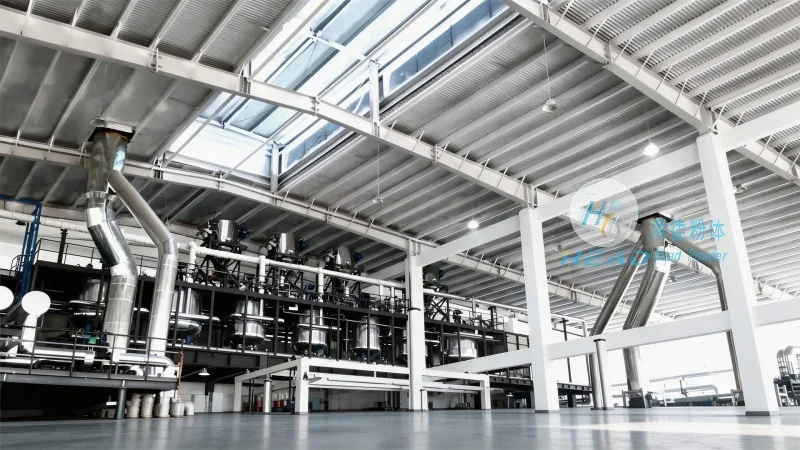
Gas-pneumatic conveying equipment offers several advantages over traditional conveying methods such as belt conveyors or bucket elevators. These advantages include the ability to transport materials over long distances, the reduction of material degradation due to minimal contact with equipment, and the ability to handle fine and abrasive materials like fly ash. The system is also relatively compact and can be installed in confined spaces, making it suitable for industrial facilities with limited space. Additionally, gas-pneumatic conveying systems are easy to maintain and can be integrated with other processes, such as storage and handling, to form a complete material handling solution.
Applications of Gas-Pneumatic Conveying Equipment
Gas-pneumatic conveying equipment is widely used in various industrial applications, particularly in the power and environmental protection sectors. The primary application is the transport of fly ash from the desulfurization and dust removal processes in power plants to storage facilities or disposal sites. The equipment is also used in other industries such as cement, mining, and chemical processing, where fine particulate materials need to be transported over long distances. The versatility of gas-pneumatic conveying systems makes them suitable for a wide range of applications, from small-scale operations to large-scale industrial facilities.
Conclusion
Gas-pneumatic conveying equipment for desulfurization and dust removal fly ash is a critical component in the efficient handling and transportation of fly ash. The operation process involves a combination of key components and control systems that work together to ensure reliable and continuous material transport. The working principle is based on the use of air as the conveying medium, which allows for the efficient transport of fine particulate materials over long distances. Shandong HeadPowder Engineering Co., Ltd. is a leading manufacturer of such equipment, providing customized solutions to meet the specific needs of clients. With its focus on innovation and quality, HeadPowder continues to play a vital role in enhancing the efficiency and environmental compliance of industrial facilities.