

Operation Process and Working Principle of Pearly Sand Powder Material Pneumatic Conveying Equipment
Shandong HeadPowder Engineering Co., Ltd., a leading manufacturer in the field, specializes in the design, production, and supply of advanced pneumatic conveying systems tailored for handling pearly sand powder and similar fine materials. The company's expertise lies in developing efficient, reliable, and cost-effective solutions that meet the diverse needs of industrial applications. This article provides a detailed overview of the operation process and working principles of such equipment, highlighting key components, operational mechanisms, and practical considerations for optimal performance.
Key Components of Pneumatic Conveying Systems
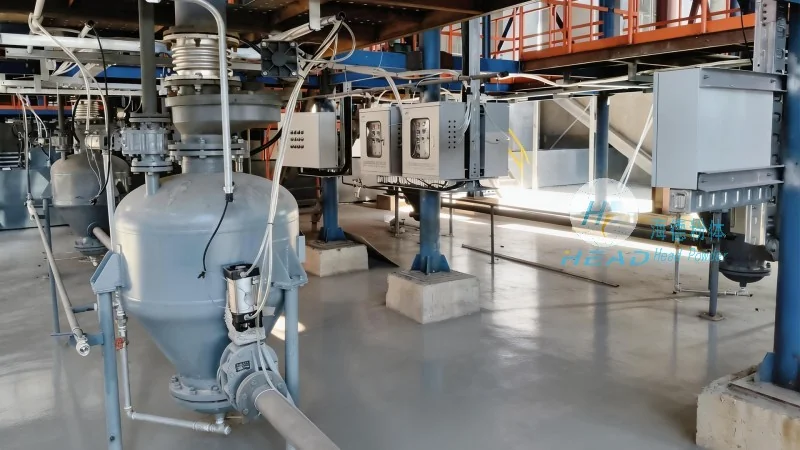
The pneumatic conveying equipment for pearly sand powder typically consists of several core components that work in tandem to ensure smooth material transport. These include a material hopper or feeder, a conveying pipeline, a blower or air compressor, a control system, and a discharge outlet. Each component plays a crucial role in the overall system's functionality. The material hopper is designed to store and feed the pearly sand powder into the system, ensuring a consistent flow rate. The conveying pipeline, often made of durable materials like stainless steel or special plastic, is responsible for transporting the material from the hopper to the discharge point. The blower or air compressor generates the necessary air pressure to move the material through the pipeline. The control system monitors and regulates the air flow and material feed, maintaining optimal operating conditions. The discharge outlet is where the material is released from the system, either into a storage tank, processing unit, or other destination.
Operation Process of Pneumatic Conveying Equipment
The operation process of the pearly sand powder pneumatic conveying system begins with the loading of the material into the hopper. The material is then fed into the conveying pipeline by the air flow generated by the blower. As the air moves through the pipeline, it carries the pearly sand powder particles along with it, creating a suspension that travels to the discharge point. The speed and pressure of the air are carefully controlled to ensure that the material is transported efficiently without causing blockages or excessive wear on the equipment. The system operates continuously, with the control system adjusting the air flow rate based on the material feed rate to maintain a stable conveying process. This continuous operation allows for a seamless and uninterrupted flow of pearly sand powder from the source to the destination, minimizing downtime and maximizing productivity.
Working Principle of Pneumatic Conveying
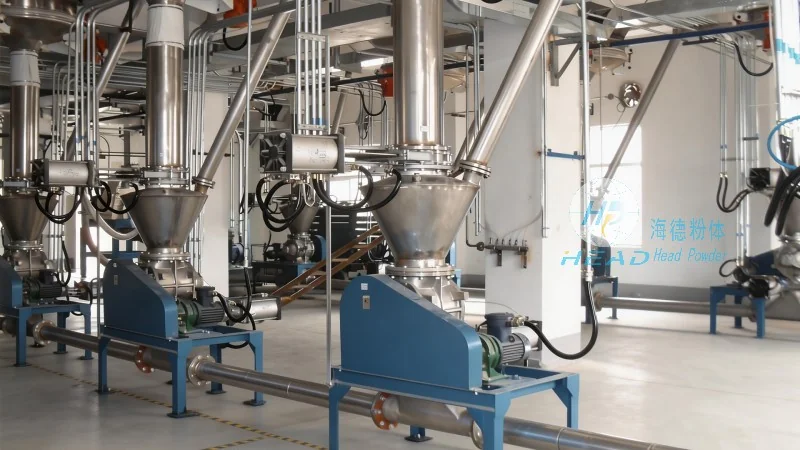
The working principle of the pneumatic conveying equipment relies on the fundamental concept of fluidization and air movement. When the blower or air compressor supplies compressed air into the conveying pipeline, it creates a pressure differential that propels the pearly sand powder particles forward. The air flow is designed to be sufficient to lift and transport the material, while also maintaining the material's integrity and preventing degradation. The system uses either positive pressure or negative pressure (or a combination of both) to achieve the desired conveying effect. Positive pressure systems push the material through the pipeline using compressed air, while negative pressure systems draw the material in using a vacuum. The choice of system depends on factors such as the material's properties, the distance to be conveyed, and the required flow rate. In the case of pearly sand powder, a positive pressure system is often preferred due to its ability to handle fine materials without causing excessive dust or blockages.
Advantages of Pneumatic Conveying for Pearly Sand Powder
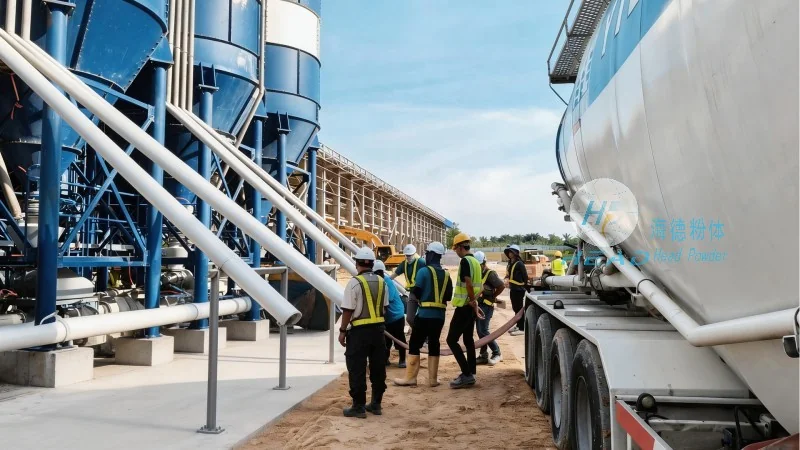
Pneumatic conveying systems offer several advantages when handling pearly sand powder and other fine materials. One of the primary benefits is the ability to transport materials in a closed system, which helps to prevent dust contamination and environmental pollution. This is particularly important for pearly sand powder, which can be a source of airborne particles that may affect air quality or cause health issues. Additionally, pneumatic conveying allows for the transport of materials over long distances without the need for intermediate storage or handling, reducing the risk of material degradation or loss. The system is also highly flexible, as it can be easily adapted to different production requirements and can handle varying material flow rates. Furthermore, the equipment is relatively compact and can be installed in a variety of industrial settings, making it suitable for both new and existing facilities. The continuous operation and automated control features also contribute to increased efficiency and reduced labor costs.
Applications and Industrial Use Cases
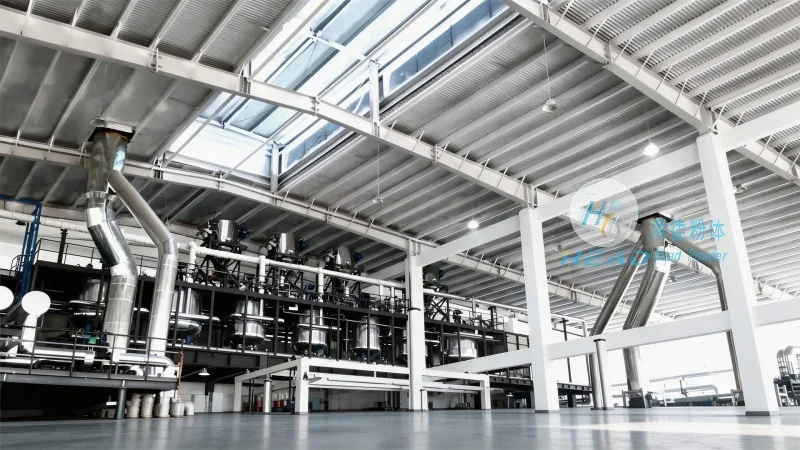
The pneumatic conveying equipment for pearly sand powder is widely used in various industrial applications, including the chemical, pharmaceutical, food, and construction industries. In the chemical industry, it is used to transport fine powders such as pigments, catalysts, and additives. In the pharmaceutical industry, it is employed to handle active pharmaceutical ingredients (APIs) and other sensitive materials, ensuring a clean and controlled environment. The food industry utilizes the system for transporting ingredients like flour, sugar, and spices, maintaining hygiene standards. In the construction industry, it is used to convey sand, cement, and other building materials to different parts of a construction site. The versatility of the system makes it suitable for a wide range of applications, and its ability to handle fine materials efficiently makes it a preferred choice for many industries.
Maintenance and Operational Considerations
To ensure the optimal performance and longevity of the pneumatic conveying equipment, regular maintenance and proper operational considerations are essential. The system should be inspected regularly for any signs of wear or damage to the components, such as the conveying pipeline, blower, or control system. The air filter and compressor should be cleaned or replaced as needed to maintain air quality and prevent clogging. The material hopper and feeder should be checked for any blockages or buildup of material, which can affect the flow rate and cause system inefficiencies. The control system should be calibrated to ensure accurate monitoring and regulation of the air flow and material feed. Additionally, the system should be operated within the recommended pressure and flow rate ranges to avoid excessive wear or damage. Proper training of operators on the system's operation and maintenance is also crucial to prevent accidents and ensure safe and efficient operation.