

Operation Process and Working Principle of Nitrogen-Protected Powder Pneumatic Conveying Lines
HeadPowder, a leading provider in the field of powder handling technology, specializes in advanced pneumatic conveying solutions designed to ensure the safe and efficient transport of bulk powders. A key innovation in this domain is the nitrogen-protected powder pneumatic conveying line, which integrates a protective inert gas environment to prevent oxidation, moisture absorption, or contamination during material transfer. This article delves into the operational process and underlying principles of such systems, highlighting their significance in industries where material integrity is paramount.
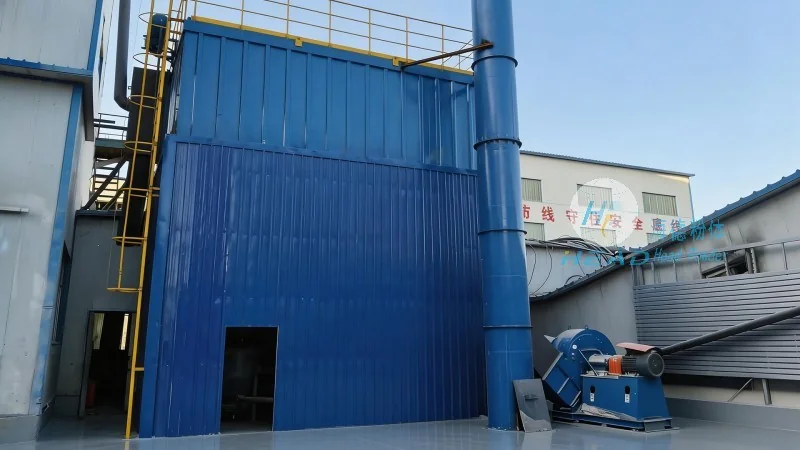
Key Components of a Nitrogen-Protected Pneumatic Conveying Line
The nitrogen-protected powder pneumatic conveying line typically consists of several critical components that work in tandem to maintain a controlled environment. These include a nitrogen gas supply system, a dust collector or filter to remove particles from the gas stream, a conveying pipeline network, and a material feed system. The nitrogen gas supply ensures a constant flow of inert gas, which replaces or dilutes the air in the system, thereby creating a protective atmosphere. The dust collector is essential for maintaining air quality and preventing particulate buildup in the pipeline. The conveying pipeline, often made of stainless steel or other corrosion-resistant materials, is designed to withstand the pressure and temperature variations associated with pneumatic transport. The material feed system, such as a hopper or feeder, regulates the flow of powder into the pipeline, ensuring consistent and controlled delivery.
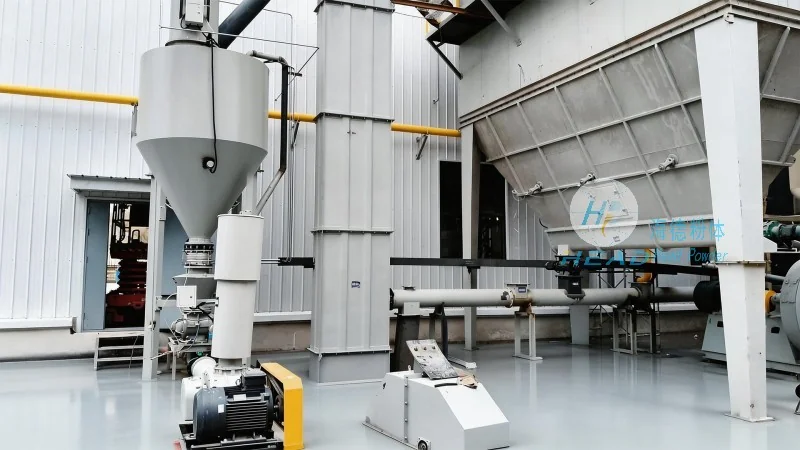
The Operational Process of Nitrogen-Protected Powder Conveying
The operation of a nitrogen-protected powder pneumatic conveying line begins with the preparation of the system. First, the nitrogen gas is pressurized and introduced into the conveying pipeline, displacing or diluting the ambient air. This step is crucial as it establishes the inert gas environment necessary to protect the powder from external factors. Next, the material feed system is activated, and the powder is introduced into the pipeline. The powder is then propelled through the pipeline by the pressure differential created by the nitrogen gas flow. As the powder travels, it is carried by the gas stream, which maintains the material in a suspended state, preventing caking or agglomeration. The conveying system may include various components such as bends, valves, and expansion joints to accommodate changes in direction or elevation. At the receiving end, the powder is deposited into a storage bin or processing equipment. Throughout the process, the nitrogen gas flow is continuously monitored to ensure that the protective atmosphere is maintained, and any leaks or pressure drops are detected and addressed promptly.
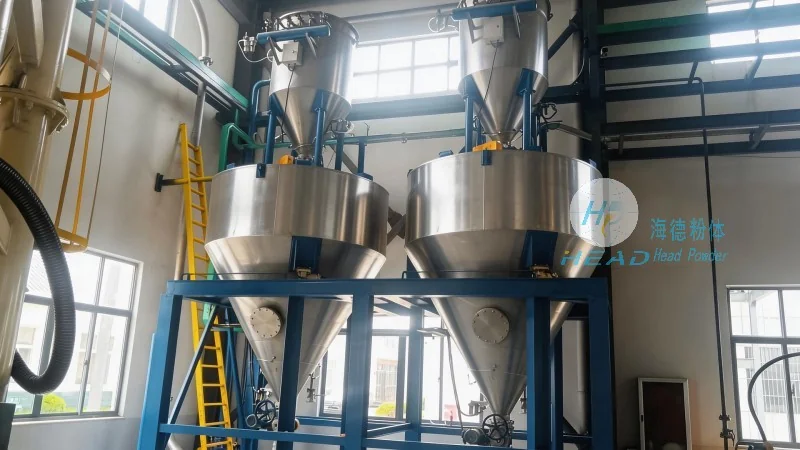
Working Principle: How Nitrogen Protection Enhances Material Integrity
The working principle of a nitrogen-protected powder pneumatic conveying line revolves around the concept of inert gas protection. By replacing the air in the conveying system with nitrogen, a non-reactive gas, the risk of oxidation, moisture absorption, or chemical reactions between the powder and the environment is significantly reduced. Nitrogen is an inert gas that does not support combustion or chemical reactions, making it ideal for protecting sensitive materials. The system operates on the principle of pneumatic transport, where the powder is suspended in the gas stream and transported under pressure. The pressure differential between the feed and discharge points drives the material through the pipeline. The nitrogen gas not only serves as a protective medium but also helps to maintain the flow rate and prevent blockages by reducing the tendency of the powder to stick to the pipeline walls. The continuous flow of nitrogen ensures that the powder remains in a dry and stable state, preserving its physical and chemical properties throughout the conveying process.
Benefits and Applications of Nitrogen-Protected Pneumatic Conveying
Implementing a nitrogen-protected powder pneumatic conveying line offers several advantages for industries dealing with sensitive bulk materials. These systems are particularly beneficial in sectors such as pharmaceuticals, food processing, and chemical manufacturing, where product purity and quality are critical. The primary benefits include enhanced material protection, reduced product degradation, improved process efficiency, and lower maintenance costs. By maintaining a controlled environment, the system minimizes the risk of contamination, ensuring that the final product meets stringent quality standards. Additionally, the use of nitrogen reduces the need for additional drying or conditioning steps, as the material remains dry and free from moisture during transport. The efficiency of the conveying process is also improved, as the consistent flow of nitrogen ensures smooth operation and reduces downtime due to blockages or clogs. Industries that handle powders such as pharmaceuticals, food ingredients, and fine chemicals can leverage these benefits to optimize their production processes and maintain the integrity of their materials.
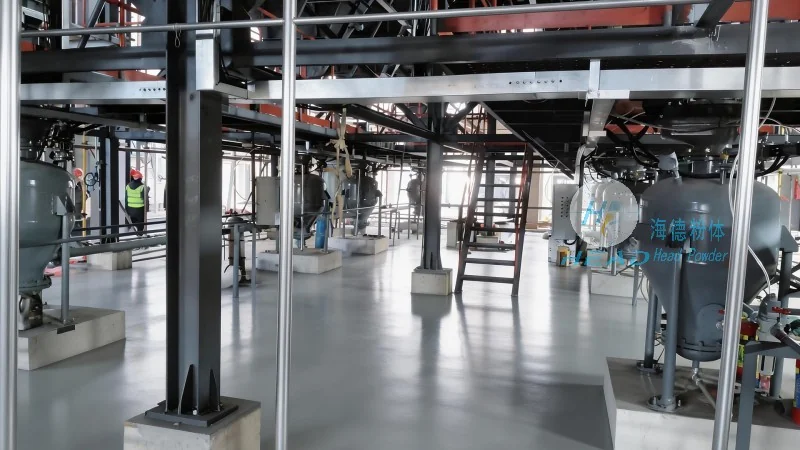
Conclusion and Company Overview
HeadPowder Engineering Co., Ltd., based in Shandong, China, is a reputable manufacturer specializing in the design, fabrication, and installation of nitrogen-protected powder pneumatic conveying systems. With a strong commitment to quality and innovation, the company has established itself as a trusted partner in the powder handling industry. The company’s expertise lies in developing customized solutions that meet the specific needs of clients, ensuring that the conveying systems are tailored to handle various types of powders and operational requirements. By adhering to rigorous engineering standards and employing advanced technologies, HeadPowder delivers reliable and efficient pneumatic conveying solutions that enhance process performance and product quality. The company’s focus on customer satisfaction and technical excellence has made it a preferred choice for businesses seeking to improve their powder handling processes and maintain the integrity of their materials.