

Operation Process and Working Principle of Intelligent Tonne Bag Feeding Station for Powder Pneumati
Shandong HeadPowder Engineering Co., Ltd., a leading provider in the field of powder handling and material transportation systems, specializes in the design, manufacturing, and installation of advanced pneumatic conveying solutions. The company, commonly known as headpowder, is headquartered in Shandong, China, and has established itself as a trusted partner for industries requiring efficient and reliable powder handling equipment. This article focuses on the operation process and working principle of the intelligent tonne bag feeding station for powder pneumatic conveying lines, highlighting the key components, operational workflow, and technical advantages that make this system an essential asset for modern powder processing facilities.
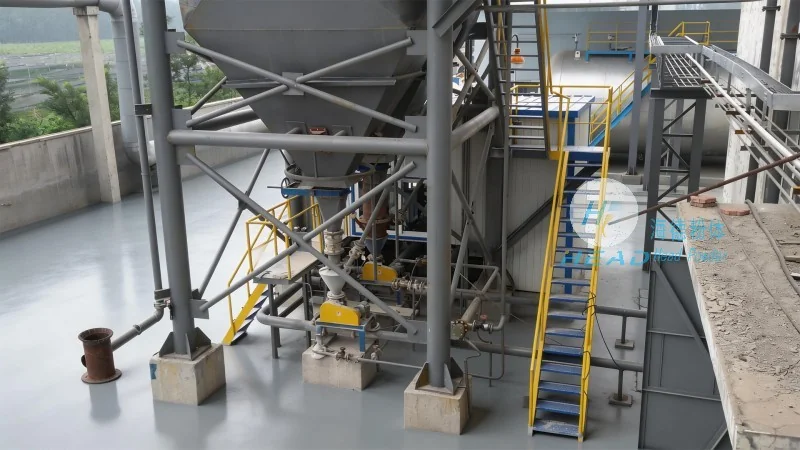
Key Components of the Intelligent Tonne Bag Feeding Station
The intelligent tonne bag feeding station is a comprehensive system designed to handle bulk powder materials from tonne bags (1-tonne bags) with high efficiency and minimal human intervention. The system typically consists of several core components that work in tandem to ensure smooth material transfer. These components include:
- Tonne Bag Hopper: A large, sturdy hopper that is specifically designed to accommodate the tonne bag and facilitate the discharge of powder into the system. The hopper is equipped with a discharge valve or a pneumatic actuator to control the flow of material.
- Pneumatic Conveying System: This is the heart of the system, responsible for transporting the powder from the hopper to the destination silo or processing unit. The system utilizes compressed air to create a flow of material through a network of pipes and ducts.
- Intelligent Control System: An advanced control unit that monitors and regulates the entire operation. This system includes sensors for level detection, pressure monitoring, and flow control, ensuring that the process runs smoothly and safely.
- Dust Extraction and Filtration: To maintain a clean and safe working environment, the system incorporates dust extraction and filtration equipment. This prevents dust accumulation and ensures compliance with environmental regulations.
Operation Process of the Intelligent Tonne Bag Feeding Station
The operation of the intelligent tonne bag feeding station follows a systematic workflow that ensures efficient and continuous material handling. The process begins with the placement of a tonne bag into the hopper. The intelligent control system then initiates the sequence of operations:
- Material Loading: The tonne bag is positioned in the hopper, and the discharge valve is opened. The powder inside the bag is allowed to flow into the hopper under gravity.
- Level Monitoring: Sensors in the hopper continuously monitor the material level. Once the hopper is filled to a predetermined level, the system signals the next step.
- Pneumatic Conveying Initiation: The control system activates the pneumatic conveying system. Compressed air is introduced into the hopper, creating a pressure differential that propels the powder through the conveying pipes.
- Material Transfer: The powder is transported through the pipeline network to the destination silo or processing unit. The system maintains a consistent flow rate, ensuring that the material reaches its destination without blockages or spills.
- Completion and Reset: Once the hopper is empty, the control system signals the end of the cycle. The discharge valve closes, and the system resets, ready for the next tonne bag.
Working Principle of the Pneumatic Conveying System
The working principle of the intelligent tonne bag feeding station is based on the principles of pneumatic conveying, which utilizes compressed air to move powder particles through a pipeline. The system operates on the basis of creating a pressure difference between the hopper and the destination point. Here’s a detailed breakdown of how it works:
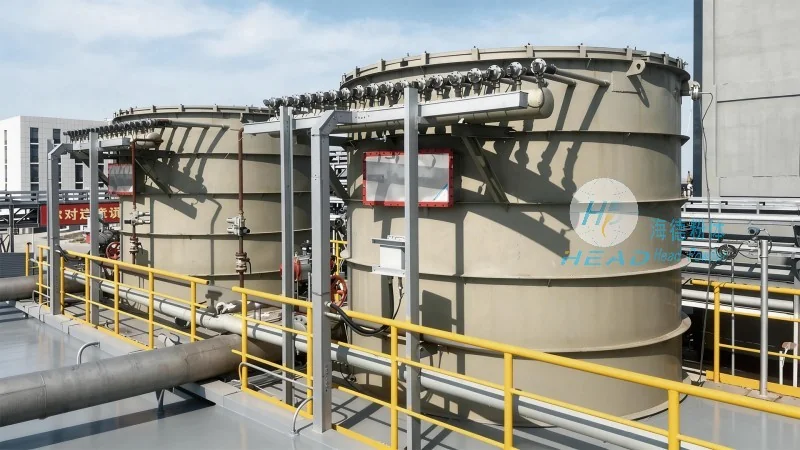
1. Air Supply and Pressure Regulation: The system is connected to a compressed air source. The control unit regulates the air pressure and flow rate to ensure optimal conveying performance. The pressure is typically maintained at a level that is sufficient to overcome the resistance of the powder particles and the pipeline.
2. Material Suspension: As compressed air enters the hopper, it creates a turbulent flow that suspends the powder particles. The air flow carries the powder particles along the pipeline, preventing them from settling or sticking to the pipe walls.

3. Pipeline Design and Flow Control: The pipeline network is designed with appropriate dimensions and angles to ensure smooth material flow. The system may include bends, elbows, and expansion joints to accommodate changes in direction and elevation. Flow control valves are used to regulate the air and material flow, preventing overpressurization or underflow.
4. Destination Silo and Material Discharge: At the destination point, the material is deposited into a silo or processing unit. The system may include a silo discharge valve or a pneumatic actuator to control the final discharge of the material. The control system ensures that the material is deposited uniformly and without spillage.
Technical Advantages and Applications
The intelligent tonne bag feeding station offers several technical advantages that make it an ideal solution for modern powder processing facilities. These advantages include: