

Operation Process and Working Principle of Wood Chip Powder Pneumatic Conveying Line
Wood chip powder pneumatic conveying lines are essential systems in the wood processing industry, designed to efficiently transport wood chips from one location to another using air as the conveying medium. The operation of such lines involves a series of coordinated steps and mechanisms that ensure reliable and continuous material handling. This article will explore the detailed operation process and working principles of these systems, highlighting the key components and their functions.
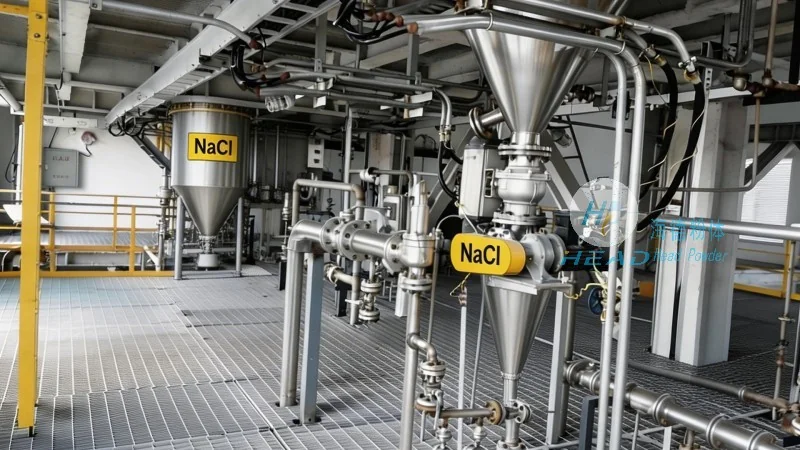
Key Components of a Wood Chip Powder Pneumatic Conveying System
A typical wood chip powder pneumatic conveying line consists of several critical components that work in tandem to achieve effective material transport. The main components include the hopper, feeder, air compressor, conveying pipeline, and discharge unit. Each component plays a vital role in the overall operation of the system.
The Hopper: Material Storage and Feeding
The hopper is the initial component where raw wood chips are stored before being fed into the system. It is designed to hold a sufficient quantity of material to ensure continuous operation, minimizing downtime caused by frequent refilling. The hopper is equipped with a feeder, which can be a rotary valve or a screw feeder, responsible for controlling the flow rate of wood chips into the conveying line. The feeder ensures a steady and controlled supply of material, preventing overloading or underfeeding that could disrupt the conveying process.
The Air Compressor: Powering the Conveying Process
The air compressor is the heart of the pneumatic conveying system, providing the necessary pressure and airflow to move the wood chips through the pipeline. It generates high-pressure air that is then directed into the conveying line. The choice of air compressor depends on the system's capacity and the distance the material needs to be transported. Common types include positive displacement compressors, which are suitable for high-pressure, low-volume applications typical in wood chip conveying.
The Conveying Pipeline: Transporting the Material
The conveying pipeline is the main channel through which wood chips are transported. It is typically made of stainless steel or other corrosion-resistant materials to withstand the abrasive nature of wood chips and the moisture content in the air. The pipeline is designed with bends and turns to guide the material to the desired destination. The air velocity within the pipeline is carefully controlled to ensure that the wood chips are carried efficiently without causing excessive wear or blockages. The pipeline may also include check valves or airlocks to prevent backflow and maintain the direction of material flow.
The Discharge Unit: Delivering the Material
The discharge unit is the final component where the wood chips are released from the conveying line. It can be a rotary valve, a bagging unit, or a storage silo, depending on the application. The unit is designed to handle the material gently, preventing damage or degradation. For example, in a bagging unit, the wood chips are discharged into bags for packaging, while in a storage silo, they are stored for further processing. The discharge unit is also equipped with a control system that regulates the flow rate of the material, ensuring consistent delivery.
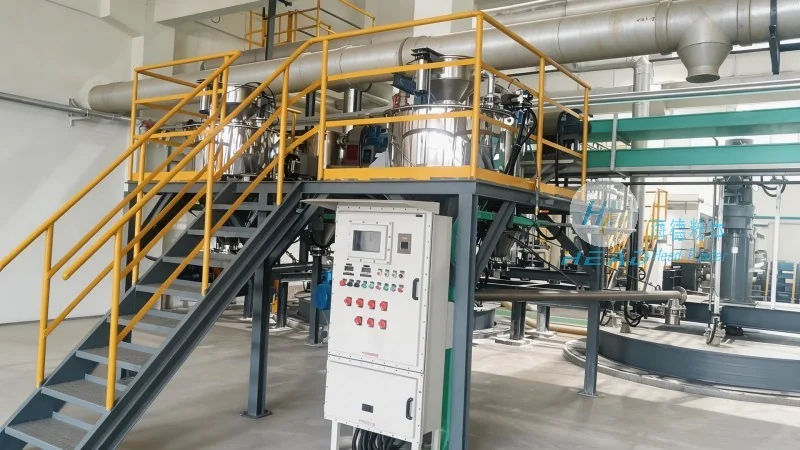
Operation Process: Step-by-Step Execution
The operation of a wood chip powder pneumatic conveying line follows a systematic process that ensures smooth and efficient material handling. The steps involved are as follows:
1. Material Loading into the Hopper
Raw wood chips are loaded into the hopper from a storage area or a processing unit. The hopper is filled to a level that allows the feeder to operate effectively. The feeder then starts to feed the wood chips into the conveying line at a controlled rate.
2. Air Compression and Introduction
The air compressor is activated, and high-pressure air is introduced into the conveying pipeline. The air flows through the pipeline, creating a pressure differential that draws the wood chips into the line. The air velocity is adjusted to match the material's characteristics, ensuring that the chips are carried without excessive force that could cause breakage.
3. Conveying and Transport
As the air flows through the pipeline, it carries the wood chips along with it. The material is transported from the hopper to the discharge unit, overcoming the effects of gravity and any obstacles along the way. The pipeline's design, including bends and turns, is optimized to minimize pressure loss and maintain the air velocity necessary for effective conveying.
4. Discharge and Material Release
Upon reaching the discharge unit, the wood chips are released from the conveying line. The discharge unit regulates the flow rate, ensuring that the material is delivered to the next processing stage or storage area at a consistent rate. The system may include a filter or separator to remove any air particles or debris before the material is discharged.
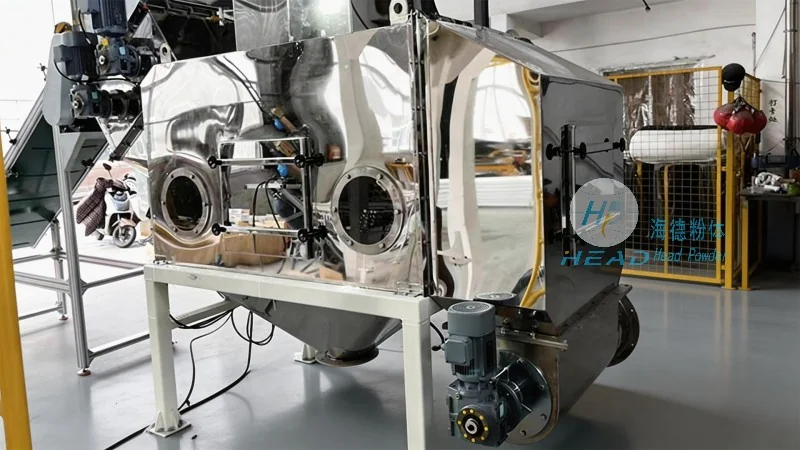
Working Principle: How It All Works Together
The working principle of a wood chip powder pneumatic conveying line is based on the principles of fluid dynamics and particle transport. The system uses compressed air to create a flow that moves the wood chips through the pipeline. The key principles include:
1. Air Velocity and Particle Suspension
The air velocity within the pipeline must be sufficient to suspend the wood chips and carry them along. The velocity is determined by the material's density, size, and shape, as well as the pipeline diameter and length. Proper air velocity ensures that the chips are transported without settling or causing blockages.
2. Pressure Differential and Flow Control
A pressure differential is created between the hopper and the discharge unit, driving the material flow. The air compressor maintains the pressure difference, while the feeder and discharge unit regulate the flow rate. This control ensures that the system operates efficiently and safely, preventing overpressure or underpressure conditions that could lead to system failure.
3. Material Handling and Wear Management
The system is designed to handle the abrasive nature of wood chips, which can cause wear on the pipeline and other components. Materials such as stainless steel or special coatings are used to minimize wear and extend the system's lifespan. Regular maintenance and inspection are also essential to ensure the system operates at optimal performance.
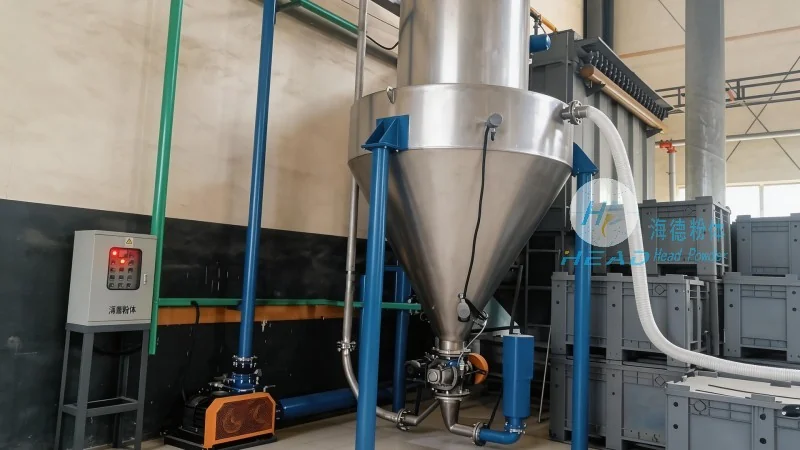
Applications and Benefits of Wood Chip Powder Pneumatic Conveying Lines
Wood chip powder pneumatic conveying lines are widely used in various applications within the wood processing industry. Some common applications include transporting wood chips from a storage area to a processing plant, moving material between different processing stages, and delivering wood chips to packaging or storage facilities. The benefits of using such systems include:
1. Efficient Material Handling
The systems provide a continuous and reliable method of transporting wood chips, reducing the need for manual handling and increasing overall productivity. The automated process minimizes labor costs and improves safety by eliminating the need for workers to handle heavy or bulky materials.
2. Reduced Downtime and Maintenance
With proper design and maintenance, pneumatic conveying systems can operate with minimal downtime. The components are designed to be durable and resistant to wear, reducing the frequency of repairs and maintenance. This leads to lower operational costs and increased system reliability.
3. Versatility and Scalability
Wood chip powder pneumatic conveying lines can be customized to meet the specific needs of different applications. They can be scaled up or down to handle varying material volumes and distances, making them suitable for small-scale operations as well as large industrial facilities.
Conclusion
Wood chip powder pneumatic conveying lines are sophisticated systems that play a crucial role in the wood processing industry. By understanding the operation process and working principles, users can optimize their systems for efficient and reliable material handling. The key to successful operation lies in proper component selection, regular maintenance, and adherence to safety guidelines. As technology advances, these systems continue to evolve, offering improved efficiency and performance for wood chip transportation needs.