

Operation Process and Working Principle of Pneumatic Conveying Equipment for Lithium-Ion Battery Pos
HeadPowder, a leading manufacturer based in Shandong, China, specializes in the design and production of advanced pneumatic conveying equipment tailored for the handling of lithium-ion battery electrode materials. This article provides a detailed overview of the operation process and working principles of such equipment, highlighting the key components, operational steps, and technical advantages that ensure efficient and reliable material transport in battery production lines.
Key Components of Pneumatic Conveying Systems
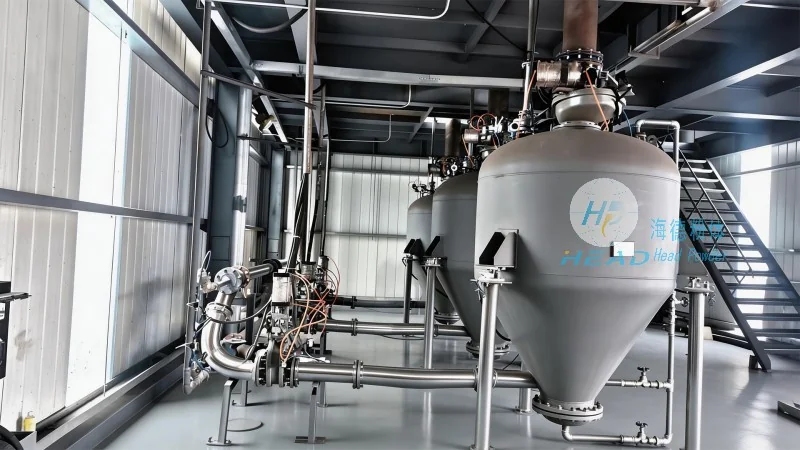
The pneumatic conveying equipment for lithium-ion battery materials typically consists of several core components that work in tandem to achieve effective powder transport. These include the material hopper, which serves as the storage and feeding unit; the air compressor or blower, responsible for generating the necessary airflow; the conveying pipeline, which transports the material from the hopper to the destination; and the control system, which regulates the flow rate and pressure to maintain optimal operation. Each component is meticulously designed to handle the specific characteristics of battery electrode powders, such as their fine particle size, high density, and potential sensitivity to moisture or contamination.
Working Principle of Pneumatic Conveying
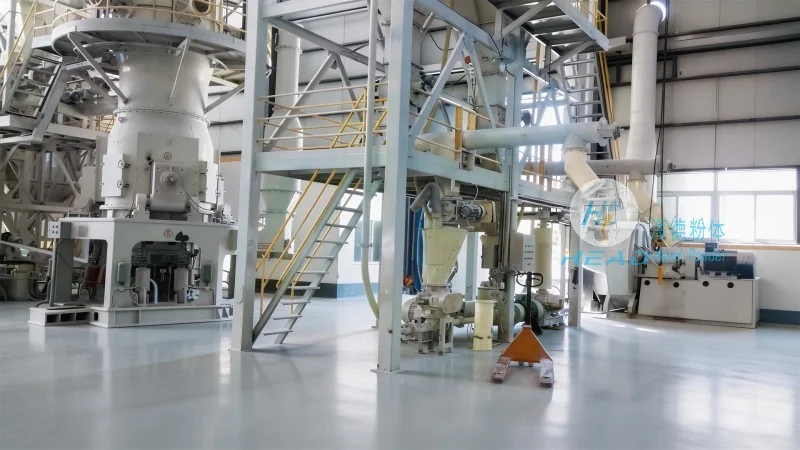
The fundamental principle of pneumatic conveying is the use of air to move solid particles through a pipeline. In the context of lithium-ion battery materials, the process begins with the material being fed from the hopper into the conveying line. The air compressor then generates a high-pressure airflow that draws the powder particles into the pipeline, creating a suspension of material and air. As the mixture travels through the pipeline, the air velocity is maintained at a level sufficient to keep the particles suspended, preventing clogging or blockages. The conveying system can operate in either positive or negative pressure modes, depending on the application requirements. Positive pressure systems use compressed air to push the material forward, while negative pressure systems use suction to draw the material from the source. The choice of mode depends on factors like the distance to be covered, the material's properties, and the overall system layout.
Operation Process: From Material Loading to Delivery
The operation process of the pneumatic conveying equipment for lithium-ion battery materials involves several sequential steps that ensure smooth and continuous material handling. First, the material is loaded into the hopper, where it is stored and prepared for transport. The hopper is equipped with a feeding mechanism, such as a rotary valve or a screw feeder, which controls the flow rate of the material into the conveying line. Next, the air compressor is activated, and the airflow is adjusted to the appropriate pressure and volume. The control system monitors the pressure and flow rate, ensuring that the material is conveyed at a consistent speed without excessive pressure drops or surges. As the material travels through the pipeline, it reaches the destination point, such as a mixing tank, a drying oven, or a packaging unit. The control system then regulates the airflow to slow down or stop the material flow, allowing for precise delivery at the target location. Throughout the process, the equipment is designed to minimize material loss, prevent contamination, and maintain the integrity of the battery electrode powders, which are critical for the performance of the final battery products.
Technical Advantages and Applications
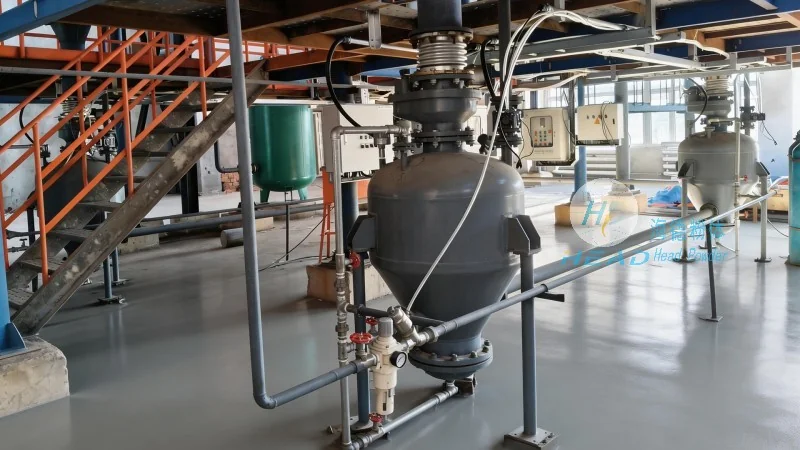
HeadPowder's pneumatic conveying equipment offers several technical advantages that make it ideal for the demanding requirements of lithium-ion battery production. The system provides a dust-free and enclosed environment, which is essential for maintaining the purity of the electrode materials and preventing contamination from external sources. The enclosed design also enhances safety by reducing the risk of dust explosions, a common concern in powder handling operations. Additionally, the equipment is highly efficient in terms of energy consumption and material throughput, with the ability to transport large volumes of powder over long distances with minimal downtime. The flexibility of the system allows for easy integration into existing production lines, and the modular design enables customization to meet specific customer requirements. These advantages make the equipment suitable for various applications in battery manufacturing, including the transport of positive electrode materials (such as lithium cobalt oxide, lithium nickel manganese cobalt oxide) and negative electrode materials (such as graphite, silicon anodes), as well as other fine powders used in the battery production process.