

Operation Process and Working Principle of Additive Powder Pneumatic Conveying Equipment
Shandong HeadPowder Engineering Co., Ltd. specializes in the design, manufacturing, and installation of advanced additive powder pneumatic conveying equipment. This equipment is essential for efficiently transporting bulk additive powders in various industrial applications, ensuring reliable and safe material handling. The company's expertise lies in optimizing the performance of these systems to meet the specific needs of clients across different industries.
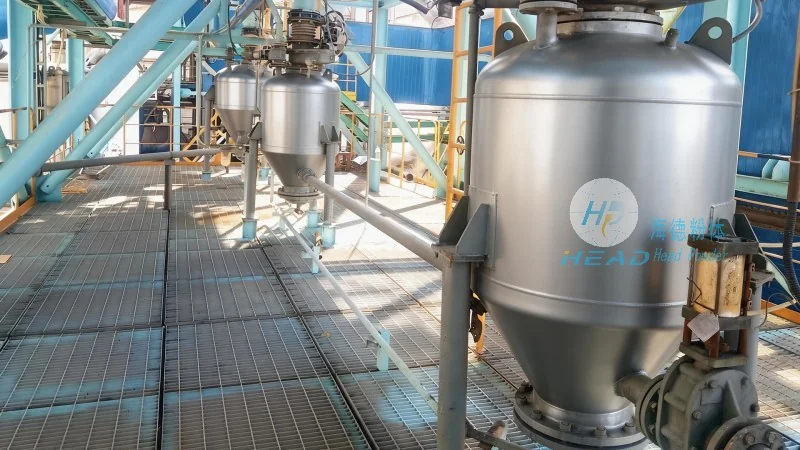
Company Overview and Core Capabilities
HeadPowder, based in Shandong, China, is a leading manufacturer of pneumatic conveying solutions tailored for additive powder handling. The company's team of engineers and technicians focuses on developing customized systems that enhance operational efficiency, reduce downtime, and improve product quality. With a strong commitment to innovation and quality, HeadPowder provides comprehensive services including system design, equipment supply, and after-sales support. The company's facilities are equipped with state-of-the-art technology to ensure the production of high-performance additive powder pneumatic conveying equipment that meets international standards.
Understanding Pneumatic Conveying Systems
Pneumatic conveying systems utilize air or gas to transport bulk powders from one location to another. These systems are widely used in the chemical, food, pharmaceutical, and other industries due to their ability to handle fine and abrasive powders with minimal product degradation. The core components of a typical pneumatic conveying system include a material feed hopper, a conveyor line (either positive or negative pressure), a dust collection system, and a discharge outlet. The system operates by creating a pressure differential that propels the powder through the pipeline using compressed air or vacuum.
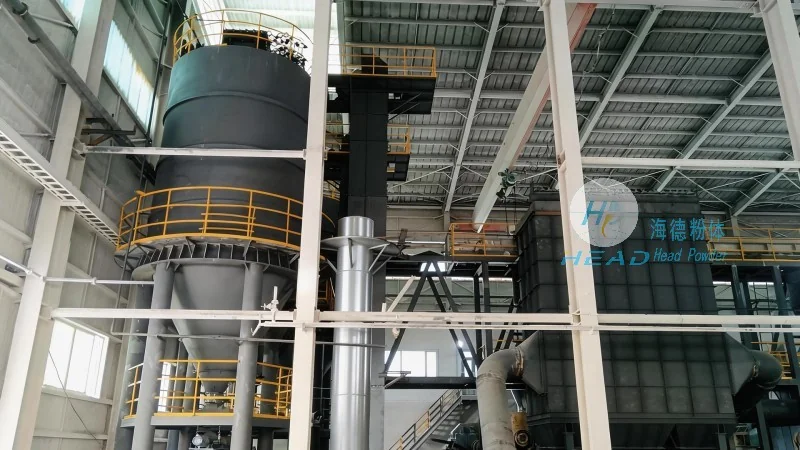
The Operation Process of Additive Powder Pneumatic Conveying Equipment
The operation of additive powder pneumatic conveying equipment involves several key steps that ensure smooth and efficient material transport. The process begins with the loading of the additive powder into the feed hopper. The hopper is designed to maintain a consistent material level and prevent clogging, which is crucial for maintaining system performance. Once the powder is loaded, the system's control panel activates the conveying process. The control system monitors parameters such as pressure, flow rate, and temperature to ensure optimal operation. The compressed air is then introduced into the conveyor line, creating a flow that moves the powder through the pipeline. The powder is carried by the air stream, which can be either dense phase or dilute phase, depending on the system design and material characteristics. The dense phase conveying method is preferred for abrasive or sensitive powders as it reduces particle impact and friction, minimizing product degradation. The system continues to transport the powder until the target location is reached, where it is discharged into a storage silo or processing equipment. After the conveying cycle is complete, the system may undergo a cleaning process to remove residual powder and prevent contamination.
Working Principle of the Equipment
The working principle of additive powder pneumatic conveying equipment is based on the fundamental principles of fluid dynamics and particle transport. The system operates by creating a pressure difference between the inlet and outlet of the conveyor line. In positive pressure systems, compressed air is supplied to the material feed point, forcing the powder through the pipeline. The air velocity is maintained at a level that prevents particle settling and ensures stable flow. In negative pressure systems, a vacuum is created at the discharge end, drawing the powder from the feed hopper through the pipeline. The choice between positive and negative pressure depends on the application requirements, material properties, and system layout. The equipment also incorporates features such as airlocks, rotary valves, and filters to control the flow of powder and air, ensuring efficient and safe operation. The control system plays a critical role in regulating the pressure and flow rates, which directly impacts the conveying efficiency and product quality. By maintaining precise control over these parameters, the system minimizes energy consumption and maximizes throughput, making it an economical solution for bulk powder handling.
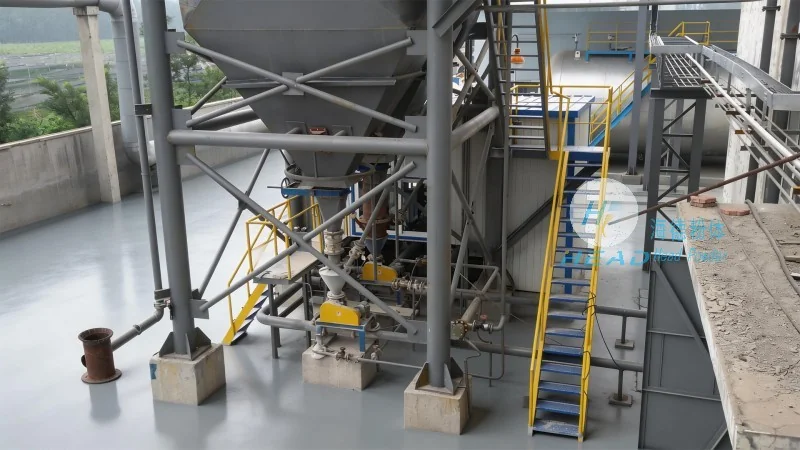
Key Components and Their Functions
Several key components work together to ensure the smooth operation of additive powder pneumatic conveying equipment. The feed hopper is the primary component where the additive powder is loaded. It is designed with a sloped bottom and a discharge valve to prevent material bridging and ensure consistent flow. The hopper is often equipped with a level indicator to monitor the material level and trigger an alarm when the level is low. The conveyor line is the main pathway for the powder and air, typically made of stainless steel or other corrosion-resistant materials to handle various powder types. The line is connected to the feed hopper and discharge outlet with appropriate fittings and elbows to maintain a smooth flow path. The air supply system, which includes a compressor and air dryer, provides the necessary compressed air for positive pressure systems. The air dryer removes moisture from the air to prevent moisture-related issues such as caking or product degradation. The dust collection system, often a baghouse or cartridge filter, captures any fine particles that escape the conveyor line, ensuring clean air discharge and compliance with environmental regulations. The discharge outlet is designed to safely release the powder into the target container or processing equipment, preventing spillage and contamination. The control panel, equipped with sensors and a user interface, allows operators to monitor and control the system parameters, ensuring safe and efficient operation.
Benefits and Applications of Additive Powder Pneumatic Conveying Equipment
Using additive powder pneumatic conveying equipment offers numerous benefits for industrial applications. The primary advantage is the ability to transport bulk powders over long distances with minimal labor and equipment. The system is also highly flexible, allowing for easy integration with existing production lines and modifications to accommodate different powder types. The equipment is designed to handle a wide range of powder characteristics, including fine, coarse, abrasive, and hygroscopic powders, making it suitable for various industries. The benefits extend to improved product quality, as the system minimizes product degradation and contamination compared to traditional handling methods. Additionally, the system reduces downtime and maintenance costs by providing reliable and continuous operation. The applications of additive powder pneumatic conveying equipment are diverse, including the chemical industry for transporting raw materials and intermediates, the food industry for handling food additives and ingredients, the pharmaceutical industry for transporting active pharmaceutical ingredients (APIs), and the agricultural industry for handling fertilizers and pesticides. Each industry benefits from the efficient and safe handling of powders, which enhances overall production efficiency and product quality.