

Operation Process and Working Principle of Clay Sand Powder Pneumatic Conveying Equipment
Clay sand powder pneumatic conveying equipment is a critical component in modern industrial material handling systems, designed to efficiently transport fine powders like clay sand through a pressurized or vacuum air stream. This equipment plays a vital role in various industries, including foundries, ceramics, and construction, where the reliable and dust-free transfer of such materials is essential for maintaining production efficiency and product quality. The operation and working principles of this equipment are fundamental to understanding its application and performance in industrial settings.
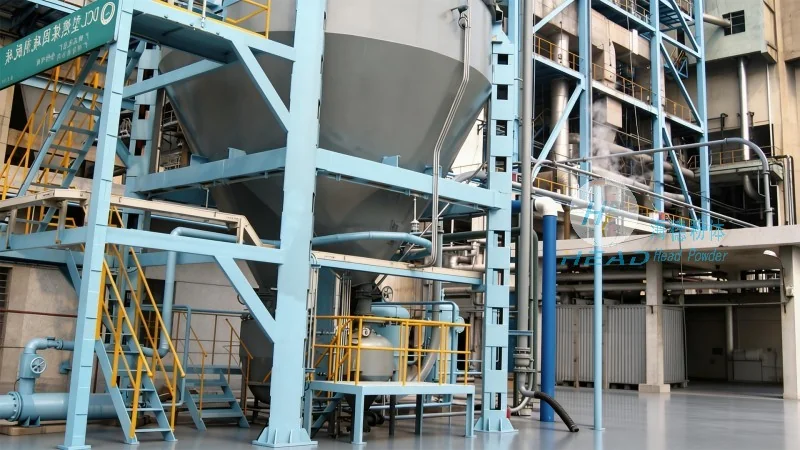
About Shandong HeadPowder Engineering Co., Ltd.
HeadPowder, a leading manufacturer based in Shandong, China, specializes in the design, development, and production of advanced pneumatic conveying systems. With years of experience in the field, the company has established itself as a trusted provider of high-quality clay sand powder conveying solutions. The company's commitment to innovation and customer satisfaction has enabled it to deliver equipment that meets the diverse needs of industrial clients, ensuring optimal performance and durability in demanding operational environments.
Key Components of the Pneumatic Conveying System
The clay sand powder pneumatic conveying equipment typically consists of several key components that work in concert to facilitate the material transfer process. These components include a material hopper for storing the clay sand, a conveyor line (either horizontal or vertical), a blower or vacuum pump to generate the air flow, a filter system to separate the material from the air, and a discharge outlet for the conveyed material. Each component is engineered to ensure seamless operation and minimal downtime, contributing to the overall efficiency of the system.
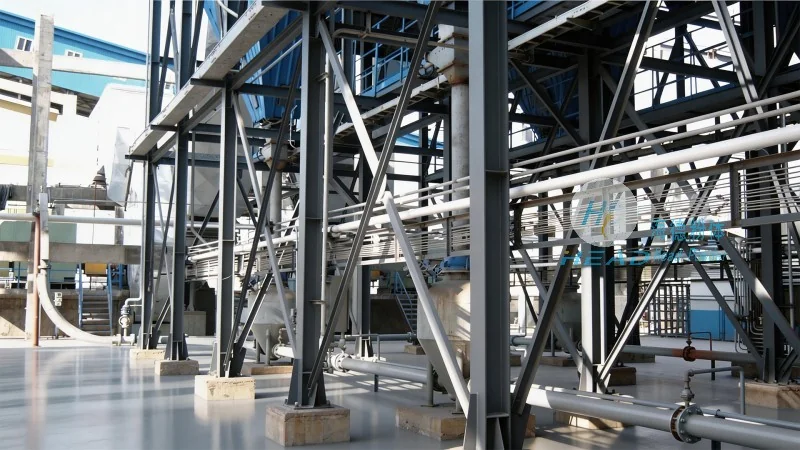
Working Principle of the Pneumatic Conveying Process
The working principle of the clay sand powder pneumatic conveying equipment relies on the fundamental physics of fluid dynamics and particle transport. In a typical operation, the clay sand is fed into the material hopper, where it is then drawn into the conveyor line by the air flow generated by the blower. The air stream, moving at a high velocity, entrains the fine particles of clay sand, creating a dense phase flow that allows for efficient transportation. The filter system then separates the material from the air, capturing the clay sand particles and returning clean air to the environment. This process ensures that the material is conveyed without the need for mechanical contact, reducing wear and tear on the equipment and minimizing the risk of contamination.
Operation Process of the Pneumatic Conveying Equipment
The operation process of the clay sand powder pneumatic conveying equipment involves several sequential steps that ensure smooth and continuous material transfer. First, the material is loaded into the hopper, and the system is started by activating the blower or vacuum pump. The air flow is then adjusted to the appropriate velocity to ensure optimal particle entrainment. As the material is drawn into the conveyor line, it travels through the system to the discharge outlet, where it is collected in the receiving container. The filter system continuously cleans the air, preventing dust accumulation and maintaining the system's efficiency. The entire process is automated, with sensors and controls monitoring the flow rate, pressure, and other parameters to ensure consistent performance. This automated operation minimizes human intervention, reducing the risk of errors and enhancing overall productivity.
Advantages of Using Clay Sand Powder Pneumatic Conveying Equipment
Implementing clay sand powder pneumatic conveying equipment offers several significant advantages over traditional mechanical conveying methods. Firstly, it eliminates the need for mechanical components such as belts, buckets, or screws, which are prone to wear and tear and require frequent maintenance. This results in lower operational costs and longer equipment lifespan. Secondly, the dust-free operation of the system improves workplace safety and reduces the risk of respiratory issues among workers. Additionally, the system can handle fine and abrasive materials like clay sand without causing excessive wear, ensuring consistent product quality. The flexibility of the system allows for easy integration into existing production lines, and the ability to transport materials over long distances without the need for intermediate storage points enhances overall operational efficiency.
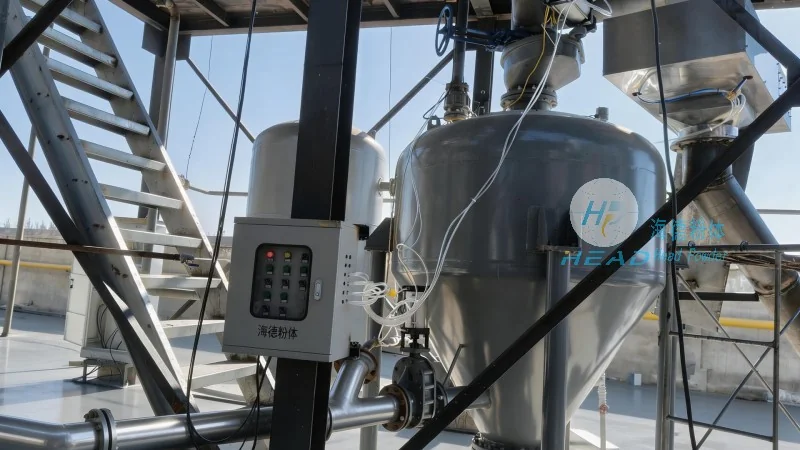
Applications in Industrial Settings
Clay sand powder pneumatic conveying equipment is widely used in various industrial applications where the handling of fine powders is critical. In the foundry industry, it is used to transport clay sand for mold making, ensuring consistent material quality and reducing the risk of defects in the final products. In the ceramics industry, the equipment is employed to convey clay and other raw materials to production lines, facilitating the manufacturing of high-quality ceramic products. In the construction industry, it can be used to transport clay sand for concrete mixing and other applications, improving the efficiency of material handling on construction sites. The versatility of the system makes it suitable for a wide range of industrial processes, where reliable and efficient material transfer is essential for maintaining production standards.
Maintenance and Troubleshooting Tips
Proper maintenance of the clay sand powder pneumatic conveying equipment is crucial to ensure its optimal performance and longevity. Regular inspection of the filter system is essential to prevent clogging, which can reduce air flow and affect the conveying efficiency. The blower or vacuum pump should be checked for proper operation, ensuring that the air pressure and flow rate are within the specified range. The conveyor line should be inspected for any signs of wear or damage, and the material hopper should be cleaned regularly to prevent material buildup. In case of operational issues, such as reduced conveying capacity or increased air pressure, the system should be checked for blockages or clogs in the filter or conveyor line. By following these maintenance practices, industrial users can ensure that the equipment operates efficiently and reliably, minimizing downtime and maximizing productivity.