

The Operation Process and Working Principle of Cement Raw Material Powder Pneumatic Conveying
For industrial applications, especially in the cement industry, efficient and reliable material handling is crucial for maintaining production efficiency and reducing operational costs. Among various conveying methods, pneumatic conveying of cement raw material powders stands out as a sophisticated technology that ensures seamless transport of bulk materials. This article delves into the operation process and working principles of cement raw material powder pneumatic conveying, highlighting its advantages and practical applications.
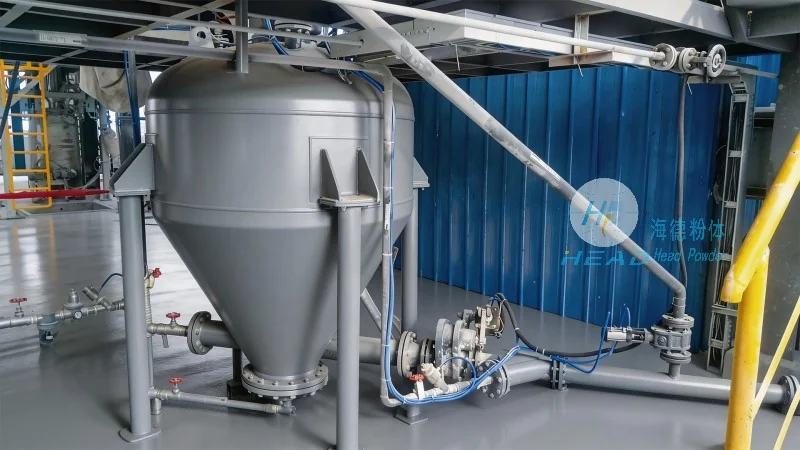
Understanding Pneumatic Conveying Systems for Cement Raw Materials
Pneumatic conveying systems are designed to transport dry powders, such as cement raw materials, through a pipeline using air or gas as the conveying medium. The core components of these systems include a feeding device, a conveying line, a separation and collection unit, and a dust removal system. The system operates by creating a pressure differential between the inlet and outlet of the pipeline, which propels the powder particles along with the air flow. This method eliminates the need for mechanical components like belts or buckets, reducing maintenance requirements and increasing system reliability.
The Operation Process of Cement Raw Material Powder Pneumatic Conveying
The operation process of cement raw material powder pneumatic conveying typically involves several key steps. First, the raw material powder is fed into the system through a hopper or feeder, which ensures a consistent flow rate. The feeder then delivers the powder into the conveying line, where it is mixed with the conveying air. The air, often under positive or negative pressure, moves the powder particles through the pipeline. At the receiving end, a separator and cyclone unit separates the powder from the air, allowing the powder to be collected in a storage silo or processing unit. The separated air is then filtered and discharged, ensuring compliance with environmental regulations.
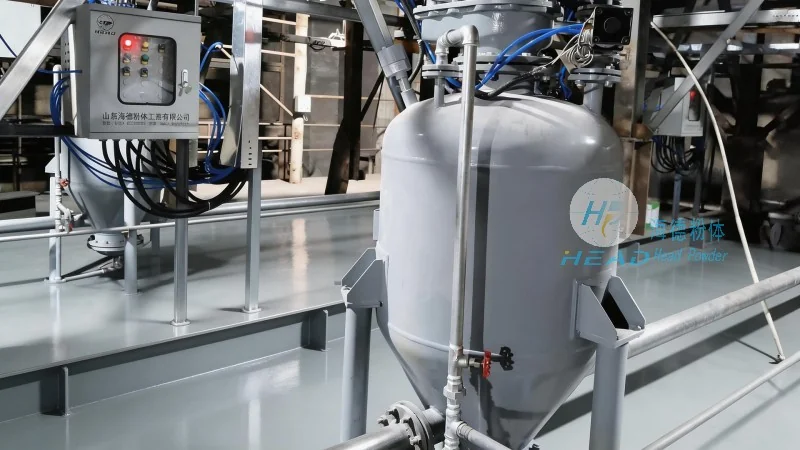
Working Principles of Pneumatic Conveying Systems
The working principle of pneumatic conveying for cement raw materials is based on the interaction between the powder particles and the air flow. In positive pressure systems, the conveying air is pressurized and introduced at the inlet, pushing the powder through the pipeline. The air velocity must be sufficient to overcome the drag forces acting on the powder particles and maintain their suspension. In negative pressure (or vacuum) systems, the air is drawn from the outlet, creating a vacuum that pulls the powder into the pipeline. Both systems rely on the principle of fluidization, where the air flow creates a turbulent environment that keeps the powder particles in motion, preventing settling or blockages.
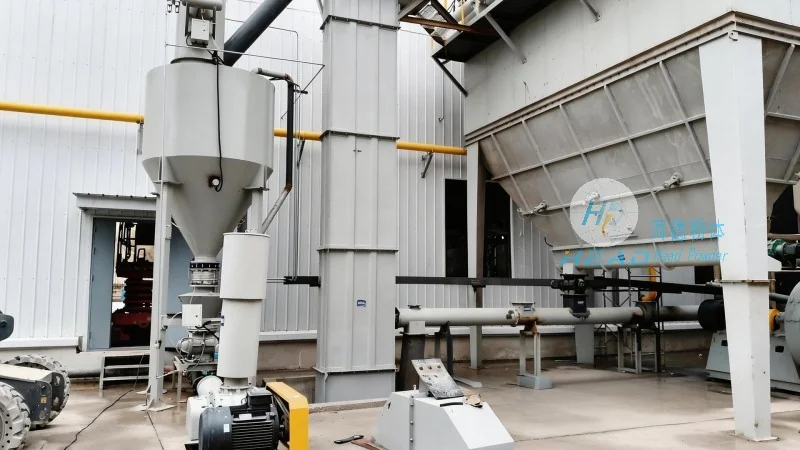
Advantages of Pneumatic Conveying for Cement Raw Materials
Compared to traditional mechanical conveying methods, pneumatic conveying offers several advantages for cement raw material handling. Firstly, it provides a dust-free and enclosed transport process, minimizing environmental contamination and ensuring workplace safety. Secondly, the system is highly flexible, allowing for changes in material flow rates and pipeline configurations without significant modifications. Thirdly, it reduces the risk of material degradation due to less contact with external elements and lower friction. Additionally, pneumatic conveying systems are compact and can be integrated into existing production lines, saving space and installation costs.
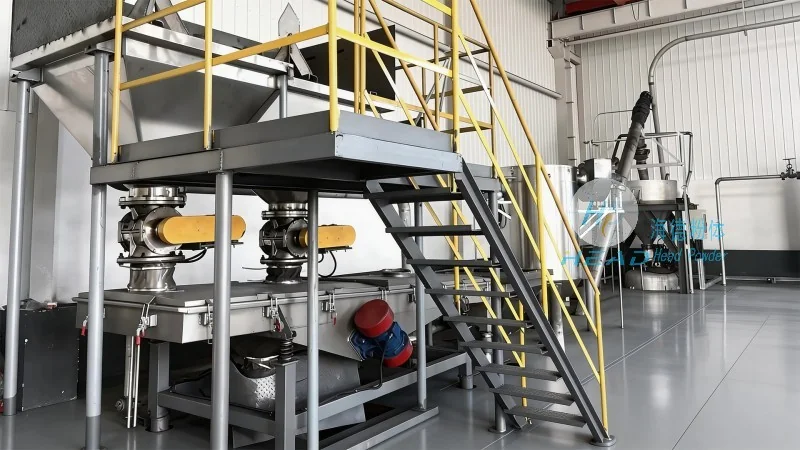
Applications in Cement Production
In the cement industry, pneumatic conveying of raw materials is widely used in various stages of production. For instance, it is employed to transport limestone, clay, and other raw materials from storage silos to the grinding mills. The system ensures that the raw materials are delivered to the grinding units in a controlled manner, maintaining consistent quality and reducing downtime. Moreover, pneumatic conveying is used in the blending and preheating stages, where precise control over material flow is essential for achieving the desired chemical composition and thermal conditions.
Key Considerations for System Design and Maintenance
When designing a pneumatic conveying system for cement raw materials, several factors must be considered to ensure optimal performance. These include the particle size and density of the raw material, the required flow rate, and the distance to be conveyed. The system design must also account for the pressure drop across the pipeline, which affects the energy consumption and overall efficiency. Regular maintenance is crucial to prevent system failures and ensure long-term reliability. This includes cleaning the filters, checking for air leaks, and inspecting the conveying line for blockages or wear. Proper maintenance can extend the lifespan of the system and reduce operational costs.