

Operation Process and Working Principle of Nitrogen Oxide Removal Urea Powder Pneumatic Conveying
This article provides a detailed overview of the operation process and working principle of nitrogen oxide removal urea powder pneumatic conveying systems. As a key component in industrial applications, these systems are crucial for efficient and safe transport of urea powder used in denitrification processes. The following sections will explore the fundamental mechanisms, operational steps, and technical considerations involved in such systems, with a focus on the expertise and solutions offered by Shandong HeadPowder Engineering Co., Ltd.
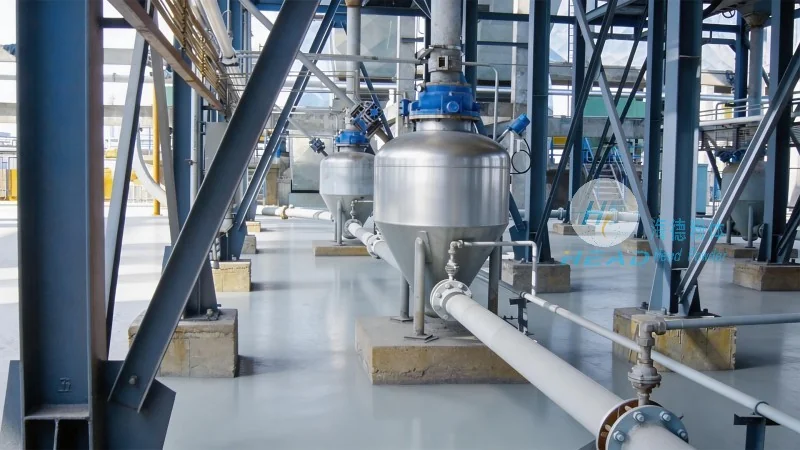
Company Profile: Shandong HeadPowder Engineering Co., Ltd.
HeadPowder, the professional provider of pneumatic conveying solutions, is dedicated to delivering high-quality engineering services and equipment for industrial powder handling. With a strong presence in China, particularly in Shandong, the company specializes in designing, manufacturing, and implementing advanced pneumatic conveying systems tailored to the specific needs of clients in various industries. The company's commitment to innovation, reliability, and customer satisfaction ensures that its solutions meet the most demanding operational requirements, including those related to nitrogen oxide removal urea powder transport.
Understanding Pneumatic Conveying Systems
Pneumatic conveying is a method of transporting bulk materials, such as powders, through a pipeline using a gas stream, typically air or other gases. In the context of nitrogen oxide removal urea powder, this technology offers several advantages over traditional mechanical conveying methods. It provides a dust-free, enclosed system that minimizes environmental impact and ensures product integrity. The system operates by creating a pressure differential within the pipeline, which draws the urea powder into the conveying line and transports it to the desired destination. This process is essential for maintaining the quality of the urea powder, which is critical for its effectiveness in denitrification applications.
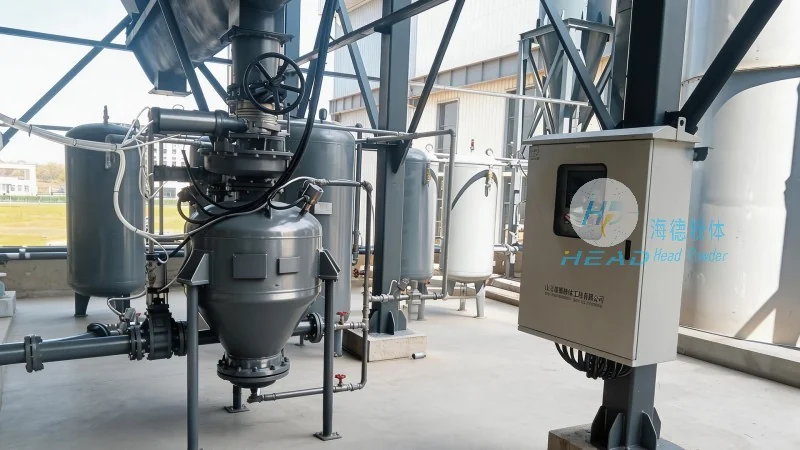
Key Components of the Pneumatic Conveying System
The nitrogen oxide removal urea powder pneumatic conveying system consists of several key components that work in tandem to ensure efficient operation. These components include the material hopper, which stores the urea powder and provides a controlled feed to the system; the air compressor or blower, which generates the necessary air pressure to move the powder; the conveying pipeline, which transports the powder from the source to the destination; and the control system, which regulates the flow of air and powder to maintain optimal performance. Each component plays a vital role in the overall operation, and their proper integration is crucial for the system's reliability and efficiency.
Operation Process of the Pneumatic Conveying System
The operation process of the nitrogen oxide removal urea powder pneumatic conveying system involves several sequential steps. First, the urea powder is loaded into the material hopper, where it is stored and prepared for transport. The control system then activates the air compressor, which starts to generate the required air pressure. As the air pressure builds up, the powder is drawn from the hopper into the conveying pipeline through a venturi or other suction device. The air and powder mixture travels through the pipeline to the destination point, where it is discharged into a receiving vessel or directly into the denitrification system. The control system continuously monitors the flow rate and pressure, adjusting the air supply as needed to maintain a stable and efficient conveying process. This process ensures that the urea powder is transported safely and effectively, minimizing the risk of product loss or contamination.
Working Principle: How the System Transports Urea Powder
The working principle of the nitrogen oxide removal urea powder pneumatic conveying system is based on the principles of fluid dynamics and particle transport. The system operates by creating a low-pressure zone at the inlet of the conveying pipeline, which draws the urea powder into the system. The air compressor then supplies high-pressure air to the pipeline, which propels the powder forward. The velocity of the air stream is carefully controlled to ensure that the powder particles are suspended and transported without causing excessive wear on the pipeline or other components. The system's design takes into account the specific properties of urea powder, such as its particle size, density, and flowability, to optimize the conveying process. By maintaining the correct air-to-powder ratio and velocity, the system ensures that the urea powder is transported efficiently and without degradation.
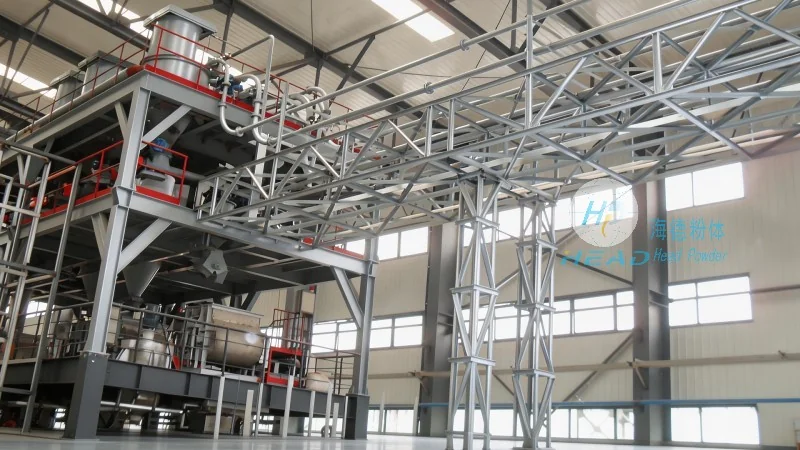
Benefits and Applications of Nitrogen Oxide Removal Urea Powder Pneumatic Conveying
The use of pneumatic conveying systems for nitrogen oxide removal urea powder offers numerous benefits, including improved safety, reduced environmental impact, and enhanced product quality. The enclosed system prevents dust emissions, protecting both the environment and personnel from exposure to the powder. The system also minimizes product loss and contamination, ensuring that the urea powder remains in optimal condition for its intended use. Additionally, the system's flexibility allows for easy integration into existing industrial processes, making it a practical solution for various applications. The applications of this technology include power plants, chemical plants, and other facilities that require the transport of urea powder for denitrification purposes. The efficiency and reliability of the system make it an essential component in modern industrial operations.
Technical Considerations and Maintenance
When implementing a nitrogen oxide removal urea powder pneumatic conveying system, several technical considerations must be taken into account to ensure optimal performance and longevity. These considerations include the selection of appropriate materials for the pipeline and components, which must be resistant to corrosion and wear from the urea powder. The system's design must also account for the specific properties of the urea powder, such as its moisture content and flow characteristics, to prevent blockages or other operational issues. Regular maintenance is crucial for the system's reliability, including cleaning of the pipeline, inspection of components, and replacement of worn parts. By following proper maintenance procedures, the system can operate efficiently for extended periods, minimizing downtime and maintenance costs.