

Operation Process and Working Principle of Pneumatic Conveying for Inorganic Salt Crystal Powders
For industries dealing with inorganic salt crystal powders, efficient material handling is crucial to maintain production efficiency and product quality. Pneumatic conveying systems offer a reliable solution for transporting these powders, and understanding their operation process and working principles is essential for optimizing system performance and ensuring smooth industrial operations. Shandong HeadPowder Engineering Co., Ltd., a leading provider of specialized material handling solutions, specializes in designing and manufacturing pneumatic conveying systems tailored to the unique needs of inorganic salt crystal powders.
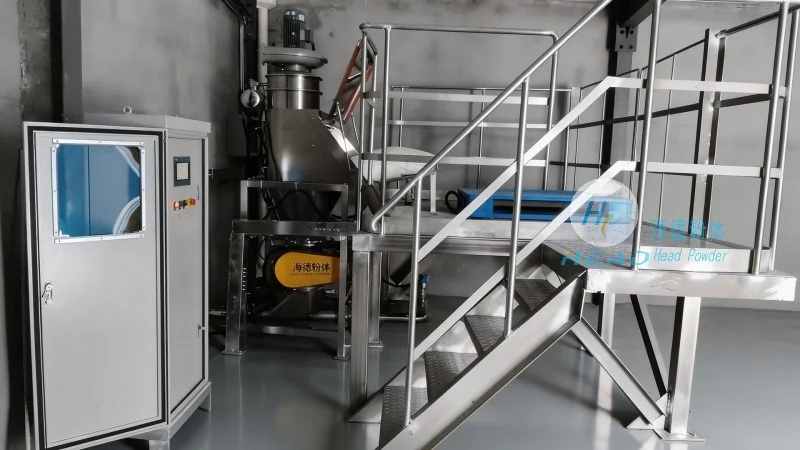
Pneumatic Conveying System Overview
Pneumatic conveying systems are designed to transport bulk materials like inorganic salt crystals through a pipeline using air or other gases as the conveying medium. These systems are widely used in various industries due to their ability to handle abrasive and sensitive materials without the need for mechanical components that may cause wear or contamination. The core components of a typical pneumatic conveying system include a hopper for material storage, a feeder to control the flow rate, a conveying line, and a receiver for the discharged material. In addition, auxiliary components such as filters, cyclones, and vacuum pumps may be integrated to enhance system efficiency and safety.
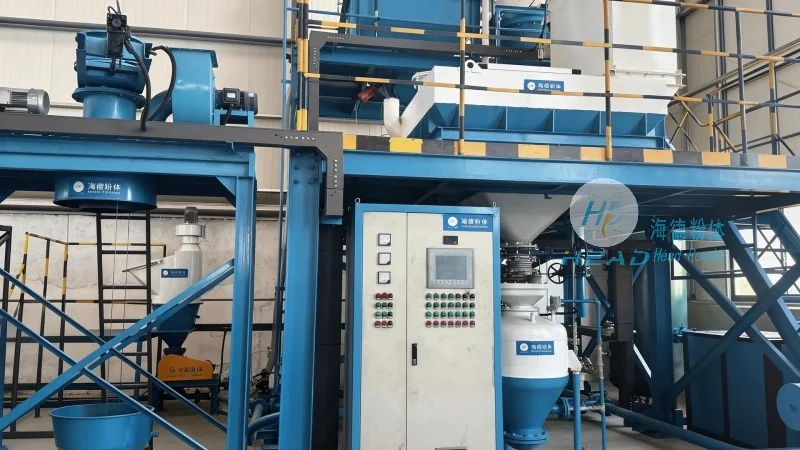
Operation Process of Pneumatic Conveying for Inorganic Salt Crystals
The operation process of a pneumatic conveying system for inorganic salt crystal powders involves several key steps. First, the material is fed from the hopper into the conveying line via a feeder. The feeder ensures a consistent flow rate, preventing overloading or underloading of the system. Next, compressed air or gas is introduced into the conveying line, creating a pressure differential that propels the material forward. The material particles are suspended in the air stream and transported through the pipeline to the receiver. The receiver collects the conveyed material and may include a dust collection system to ensure environmental compliance and product purity. Throughout the process, the system monitors parameters such as pressure, flow rate, and temperature to maintain optimal performance and prevent system failures.
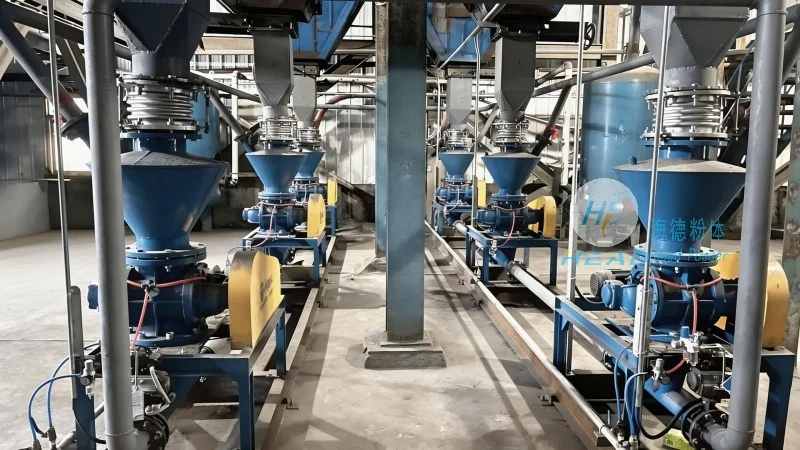
Working Principle of Pneumatic Conveying Systems
The working principle of pneumatic conveying relies on the interaction between the material particles and the air stream. In a pressure-type system, compressed air is introduced at the discharge end of the conveying line, creating a positive pressure that pushes the material forward. The air velocity is maintained above the material's terminal velocity to keep the particles suspended and prevent settling. In a vacuum-type system, a vacuum pump creates a negative pressure at the inlet, drawing the material into the pipeline. The choice between pressure and vacuum systems depends on factors such as the material's properties, distance to be conveyed, and system layout. For inorganic salt crystals, the pressure system is often preferred due to its ability to handle higher material loads and longer conveying distances without significant pressure drop.
Key Considerations for Efficient Operation
Several factors influence the efficiency and reliability of pneumatic conveying systems for inorganic salt crystal powders. Material properties, such as particle size, density, and moisture content, play a critical role in determining the appropriate system design and operating parameters. Larger or denser particles may require higher air velocities or pressure differentials to ensure proper suspension. Additionally, the conveying distance and pipeline layout affect the system's performance, as longer distances or complex layouts may necessitate additional components like intermediate receivers or booster units. Regular maintenance of the system, including cleaning of filters and checking for air leaks, is essential to prevent performance degradation and ensure long-term operation. By addressing these considerations, industries can optimize their pneumatic conveying systems to achieve efficient and cost-effective material handling for inorganic salt crystal powders.
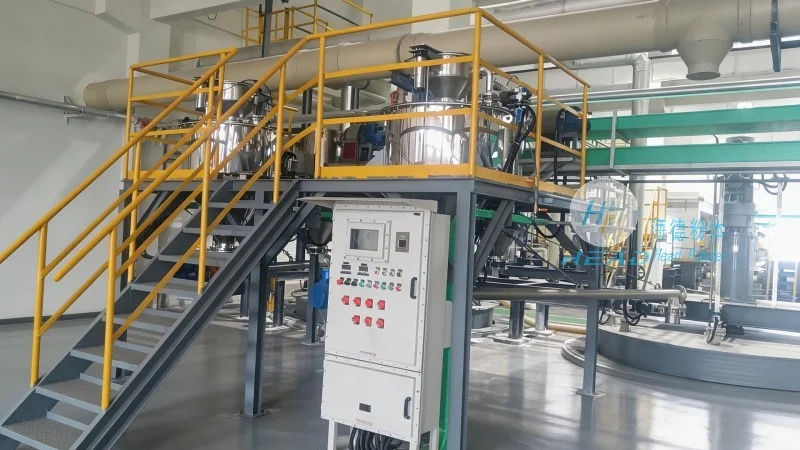
Application Benefits and Industry Impact
Pneumatic conveying systems offer several benefits for industries handling inorganic salt crystal powders. Compared to mechanical conveying methods, such as screw conveyors or belt conveyors, pneumatic systems provide a more hygienic and dust-free environment, which is particularly important for food-grade or pharmaceutical applications. The absence of moving parts reduces the risk of material contamination and wear, extending the system's lifespan and reducing maintenance costs. Furthermore, pneumatic conveying allows for flexible system integration, enabling easy expansion or modification as production needs change. These advantages make pneumatic conveying an ideal solution for various industrial applications, including chemical processing, food manufacturing, and pharmaceutical production.