

Operation Process and Working Principle of Ammonium Acetate Powder Pneumatic Conveying
Ammonium acetate, a widely used chemical compound, often requires efficient and reliable handling methods for its powder form. Pneumatic conveying systems have emerged as a preferred solution for transporting such powders, offering advantages like reduced dust generation, improved safety, and enhanced process control. This article delves into the operation process and working principle of ammonium acetate powder pneumatic conveying, highlighting the key components, operational steps, and technical aspects that ensure smooth and effective material transport.
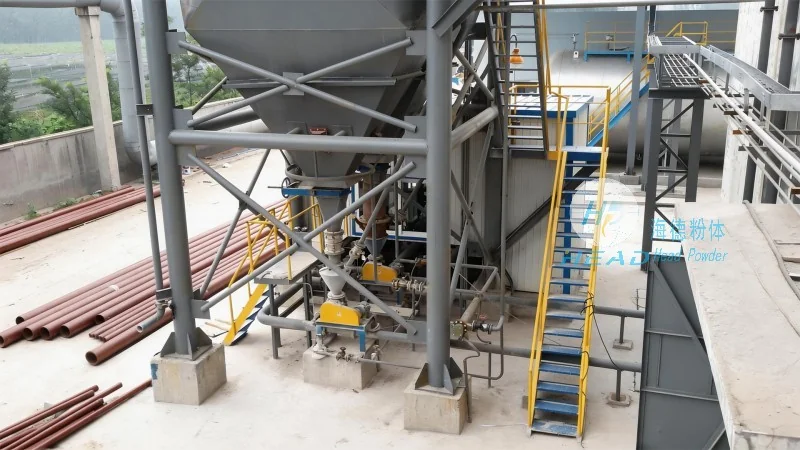
Company Profile: HeadPowder
HeadPowder, operating as Shandong HeadPowder Engineering Co., Ltd., is a leading provider of advanced powder handling solutions. With a strong presence in China, particularly in Shandong, the company specializes in designing, manufacturing, and implementing pneumatic conveying systems tailored to the needs of various industries. HeadPowder's expertise lies in optimizing material transport processes, ensuring compliance with industry standards, and delivering durable, high-performance equipment for clients worldwide.
Understanding Ammonium Acetate Powder Pneumatic Conveying
Pneumatic conveying involves the use of air or other gases to move particulate materials through a pipeline. For ammonium acetate powder, this method is particularly effective due to the compound's fine particle size and hygroscopic nature. The system typically consists of several key components, including a hopper for material storage, a feeder to control the flow rate, a compressor to generate the conveying air, and a pipeline network that transports the powder to the destination. Each component plays a crucial role in maintaining the efficiency and stability of the conveying process.
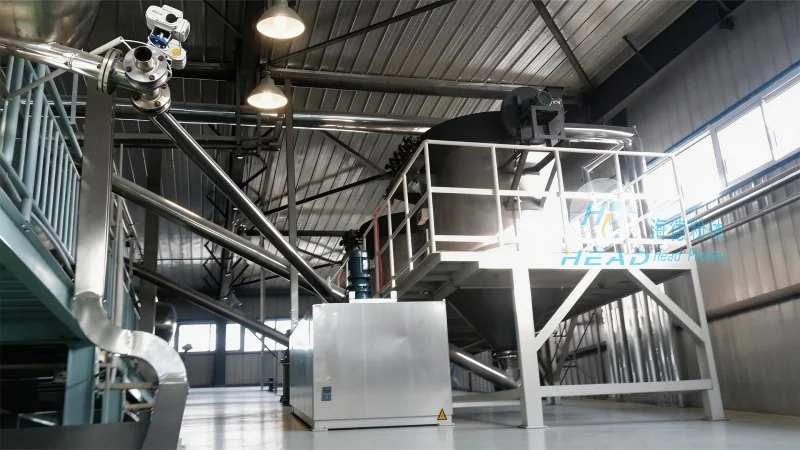
Key Components of the Pneumatic Conveying System
The hopper serves as the primary storage vessel for ammonium acetate powder, ensuring a consistent supply of material to the feeder. It is designed with a sloped bottom to facilitate smooth discharge and prevent material bridging or caking, which can occur due to the hygroscopic properties of the powder. The feeder, often a rotary valve or a screw feeder, regulates the flow rate of the powder into the pipeline, preventing overloading and maintaining a steady air-powder ratio. The compressor generates the necessary pressure and airflow to move the powder through the system, with options ranging from positive displacement blowers to centrifugal fans depending on the system's requirements. The pipeline network, constructed from materials resistant to chemical corrosion (such as stainless steel or polyethylene), ensures the safe and efficient transport of the powder, minimizing degradation or contamination.
Operation Process of Ammonium Acetate Powder Pneumatic Conveying
The operation process of ammonium acetate powder pneumatic conveying follows a systematic sequence to ensure optimal performance. Initially, the hopper is filled with ammonium acetate powder, and the feeder is set to the desired flow rate. The compressor then starts, generating the required airflow to create a pressure differential within the pipeline. As the air flows through the feeder, it entrains the powder particles, forming a slurry-like mixture known as a "pneumatic stream." This stream travels through the pipeline to the destination point, which could be a storage silo, a processing unit, or a packaging station. At the destination, the powder is separated from the air using a separator or cyclone, and the air is either recirculated or vented to the atmosphere. The entire process is monitored in real-time using sensors and control systems to adjust parameters such as airflow, pressure, and flow rate as needed, ensuring consistent and reliable transport.
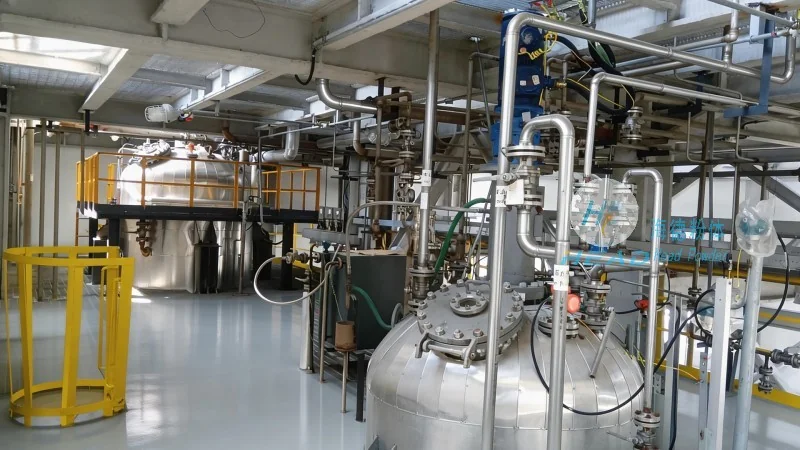
Working Principle of the Pneumatic Conveying System
The working principle of ammonium acetate powder pneumatic conveying is based on the fundamental concept of fluidization and particle suspension. When air is introduced into the hopper or feeder, it creates a low-pressure zone that draws the powder particles into the pipeline. The air velocity within the pipeline is maintained above the "minimum fluidization velocity" of the ammonium acetate powder, ensuring that the particles remain suspended and do not settle. This suspension allows the powder to be transported efficiently through the system, with minimal friction and resistance. The system's efficiency is further enhanced by the use of appropriate air-powder ratios, which balance the need for sufficient airflow to move the powder with the need to minimize energy consumption. Additionally, the design of the pipeline and components, such as bends and fittings, is optimized to reduce pressure losses and maintain consistent airflow, ensuring the smooth operation of the conveying process.
Advantages of Pneumatic Conveying for Ammonium Acetate Powder
Pneumatic conveying offers several advantages over traditional methods like bucket elevators or belt conveyors for transporting ammonium acetate powder. One of the primary benefits is the reduction of dust generation, which is crucial for maintaining a safe working environment and preventing contamination of the powder. The enclosed system also helps in controlling the temperature and humidity of the material, which is important for preserving the quality of ammonium acetate, especially when it is hygroscopic. Additionally, pneumatic conveying systems provide better process control, allowing for precise regulation of the flow rate and pressure, which is essential for maintaining consistent product quality. The system's flexibility also allows for easy integration with other processing equipment, enabling seamless material transfer between different stages of production.
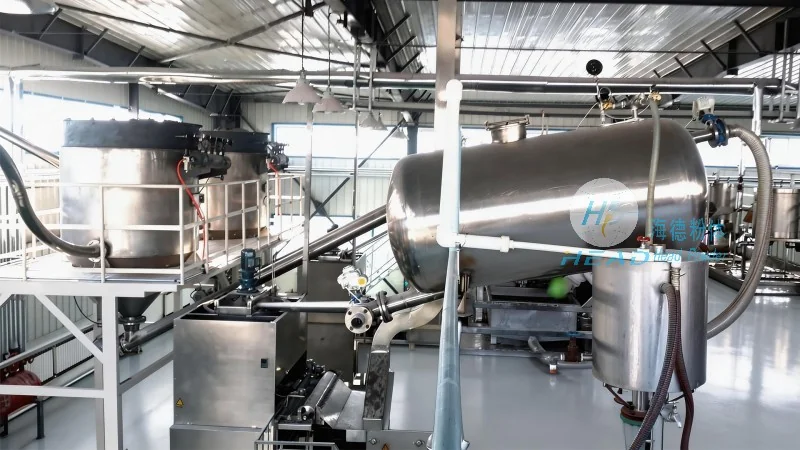
Challenges and Solutions in Ammonium Acetate Powder Pneumatic Conveying
While pneumatic conveying is highly effective, it also presents some challenges, particularly with hygroscopic materials like ammonium acetate. One common issue is the formation of caking or bridging in the hopper, which can disrupt the flow of powder. To address this, HeadPowder employs advanced hopper designs with anti-caking features, such as vibrators or agitators, to prevent material buildup. Another challenge is the potential for pressure drop in the pipeline due to particle accumulation or blockages. Regular maintenance and cleaning of the system, along with the use of filters and separators, help in mitigating these issues. Additionally, the system's energy consumption needs to be managed efficiently, as high airflow rates can increase operational costs. HeadPowder's expertise in system optimization ensures that energy usage is minimized while maintaining the required conveying performance.
Conclusion
Ammonium acetate powder pneumatic conveying is a sophisticated and efficient method for transporting this critical chemical compound. By understanding the key components, operation process, and working principles of the system, industries can leverage this technology to enhance their material handling capabilities. HeadPowder, with its expertise in designing and implementing such systems, plays a vital role in providing reliable solutions that meet the demands of modern manufacturing processes. As the demand for efficient and safe powder handling continues to grow, pneumatic conveying systems remain a preferred choice, offering a balance of performance, safety, and cost-effectiveness.