

Operation Process and Working Principle of Tailings Powder Slag Powder Pneumatic Conveying
Shandong HeadPowder Engineering Co., Ltd., commonly known as headpowder, is a professional enterprise dedicated to the research, development, and application of advanced powder material conveying technologies. The company specializes in providing efficient and reliable solutions for the transportation of tailings powder and slag powders, which are critical materials in mining and industrial processes. With a focus on innovation and precision, headpowder has established itself as a leading provider in the field of pneumatic conveying systems.
Understanding Tailings Powder and Slag Powder Pneumatic Conveying
Tailings powder and slag powders are fine particulate materials generated during mining operations and industrial processing. These materials often require safe and efficient transportation from production sites to storage or processing facilities. Pneumatic conveying, a method that uses compressed air to move powders through pipelines, offers a non-contact, low-maintenance solution for handling such materials. The technology is particularly suitable for tailings and slag powders due to their abrasive nature and potential health hazards, as it eliminates the need for manual handling and reduces exposure risks.
The Operation Process of Tailings Powder Slag Powder Pneumatic Conveying
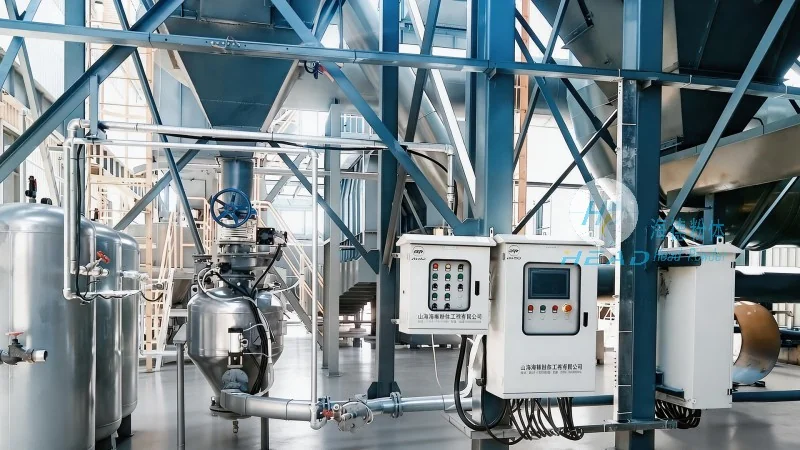
The operation process of tailings powder and slag powder pneumatic conveying involves several key steps that ensure smooth and continuous material transport. The process typically begins with the loading of the powder material into a hopper or silo. From there, the material is fed into a conveying line through a feeder, such as a rotary valve or a screw feeder, which controls the flow rate. Compressed air is then introduced into the pipeline, creating a pressure differential that propels the powder particles forward. The conveying system includes components like a blower or a compressor to generate the necessary air pressure, and a receiver or a storage tank at the destination to collect the conveyed material.
Working Principle of the Pneumatic Conveying System
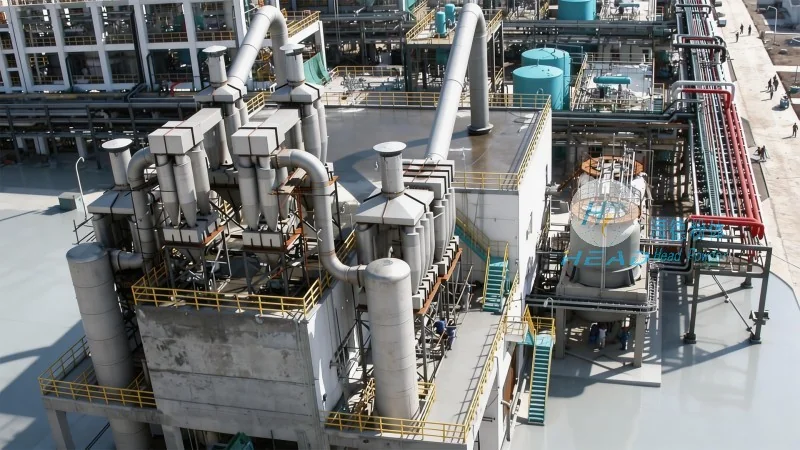
The working principle of the tailings powder and slag powder pneumatic conveying system is based on the principles of fluid dynamics and particle movement. When compressed air is introduced into the pipeline, it creates a high-velocity flow that entrains the powder particles. The air and powder mixture travels through the pipeline under pressure, with the air providing the necessary kinetic energy to move the particles. The system can operate in either positive pressure or negative pressure modes, depending on the application requirements. In positive pressure systems, the entire pipeline is pressurized, while in negative pressure systems, the receiving end is under a slight vacuum. The choice of system depends on factors such as the distance of transport, the type of material, and the need to minimize dust emissions.
Key Components and Their Functions
Several critical components are integral to the efficient operation of the tailings powder and slag powder pneumatic conveying system. The blower or compressor is responsible for generating the compressed air, which is the driving force for material transport. The feeder, often a rotary valve or a screw feeder, regulates the flow of powder into the system, ensuring a consistent and controlled feed rate. The pipeline itself is typically made of materials resistant to abrasion and corrosion, such as stainless steel or special alloys, to withstand the harsh conditions of tailings and slag powders. The receiver or storage tank at the end of the line collects the conveyed material and may include features like a dust collection system to prevent environmental contamination. Additionally, the system may include check valves, filters, and pressure relief devices to ensure safe and reliable operation.
Advantages of Pneumatic Conveying for Tailings and Slag Powders
Pneumatic conveying offers several advantages when used for the transportation of tailings powder and slag powders. One of the primary benefits is the non-contact nature of the process, which eliminates the need for mechanical components like belts or buckets that can wear out quickly with abrasive materials. This reduces maintenance costs and increases the overall lifespan of the system. Another advantage is the ability to transport materials over long distances without the need for intermediate storage or transfer points. The system also provides better control over the flow rate and pressure, allowing for precise regulation of the conveying process. Furthermore, pneumatic conveying can be integrated with other processing equipment, such as classifiers or driers, to create a continuous material handling system. This integration enhances efficiency and reduces the risk of material loss or contamination.
Applications and Industries
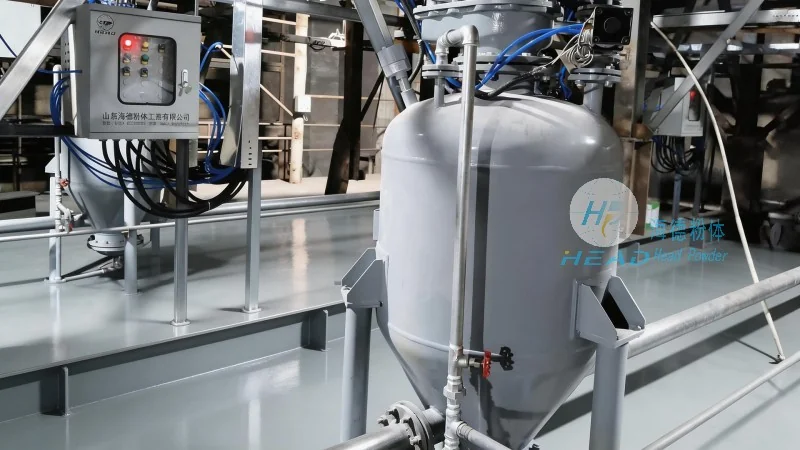
The tailings powder and slag powder pneumatic conveying system is widely used in various industries, particularly in mining, metallurgy, and power generation. In mining operations, the system is used to transport tailings from the processing plant to tailings dams or disposal sites. In metallurgy, it is employed to move slag powders from the furnace to storage or further processing facilities. In power generation, the system can be used to transport fly ash or bottom ash from the boiler to storage or recycling facilities. The versatility of the system makes it suitable for a wide range of applications, from small-scale industrial operations to large-scale mining projects.
Conclusion
Shandong HeadPowder Engineering Co., Ltd. specializes in providing advanced pneumatic conveying solutions for the transportation of tailings powder and slag powders. The operation process and working principle of the system involve careful control of material flow, air pressure, and system components to ensure efficient and reliable transport. By leveraging the non-contact and low-maintenance advantages of pneumatic conveying, headpowder helps industries handle these challenging materials safely and effectively. With a commitment to innovation and quality, headpowder continues to develop and improve its conveying technologies to meet the evolving needs of the industry.