

Operation Process and Working Principle of Intelligent Material Feeding and Conveying Equipment
Intelligent material feeding and conveying equipment, as a core component in modern industrial production lines, plays a crucial role in ensuring the efficiency and accuracy of material handling processes. Developed by Shandong HeadPowder Engineering Co., Ltd., this equipment integrates advanced automation technologies and intelligent control systems to meet the diverse needs of various industries, including pharmaceuticals, food processing, and chemical manufacturing. The following content will detail the operation process and working principles of such equipment, highlighting its key features and technical advantages.
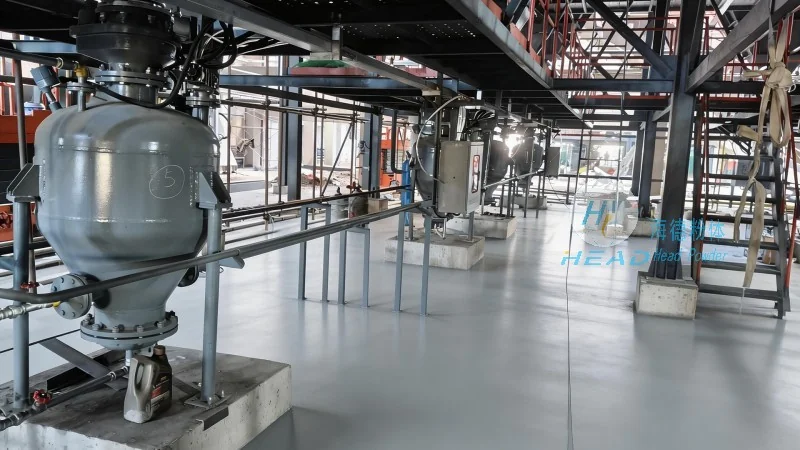
Key Components and Structure
The intelligent material feeding and conveying equipment typically consists of several key components, each designed to perform specific functions in the material handling workflow. These components include material feeders, conveying systems (such as belt conveyors or screw conveyors), control panels, sensors, and integration modules. The material feeders are responsible for accurately measuring and dispensing raw materials, while the conveying systems transport the materials to the next processing stage. The control panels and sensors provide real-time monitoring and feedback, enabling the system to adjust operations dynamically based on production requirements. The integration modules ensure seamless communication between different parts of the equipment and with external systems, enhancing overall operational efficiency.
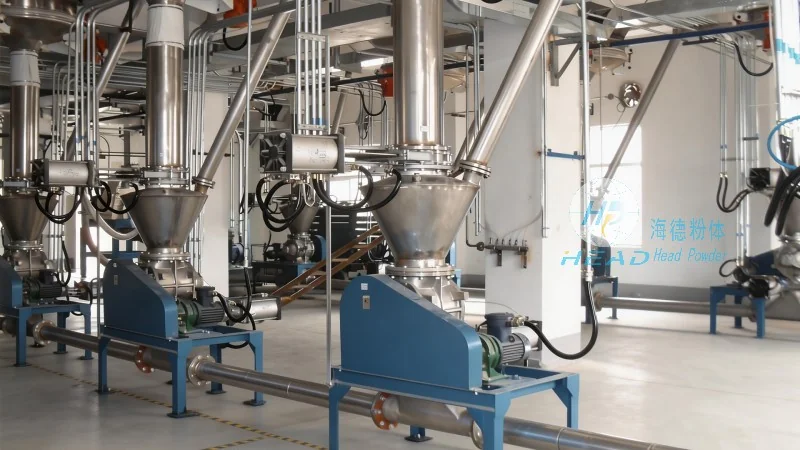
Operation Process Overview
The operation process of intelligent material feeding and conveying equipment generally follows a systematic sequence to ensure smooth material flow and accurate processing. The process begins with the preparation of raw materials, where the equipment receives input from the production line or storage areas. Next, the material feeders measure and dispense the required quantities of materials, using advanced weighing or volumetric measurement technologies to maintain precision. The conveyed materials are then transported to the processing units, such as mixers or reactors, via the conveying systems. Throughout this process, sensors continuously monitor parameters like material level, flow rate, and temperature, providing real-time data to the control system. The control system processes this data and adjusts the equipment's operations to maintain optimal performance. Finally, the processed materials are delivered to the next stage or storage, completing the cycle. This systematic approach ensures consistent quality and efficiency in material handling.
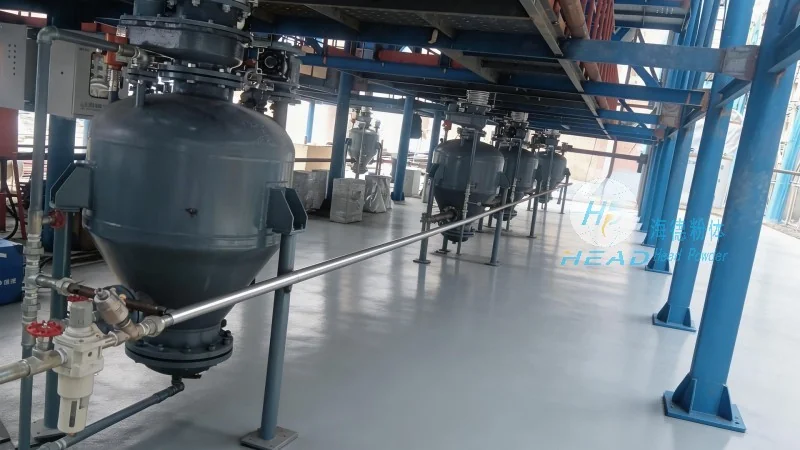
Working Principle of Core Technologies
The working principle of intelligent material feeding and conveying equipment is based on the integration of several advanced technologies that work in harmony to achieve precise and automated material handling. One of the core technologies is the intelligent control system, which uses programmable logic controllers (PLCs) and human-machine interfaces (HMIs) to manage the equipment's operations. The PLCs process input signals from sensors and control output devices like motors and valves, ensuring precise control over material flow and processing parameters. The HMIs allow operators to monitor the system's status, adjust settings, and troubleshoot issues, enhancing user interaction and operational flexibility. Another key technology is the sensor-based monitoring system, which includes level sensors, flow sensors, and temperature sensors. These sensors provide real-time data on material levels, flow rates, and temperature, enabling the control system to detect anomalies and adjust operations accordingly. The integration of these technologies ensures that the equipment operates efficiently, safely, and with high accuracy, minimizing errors and waste in the production process.
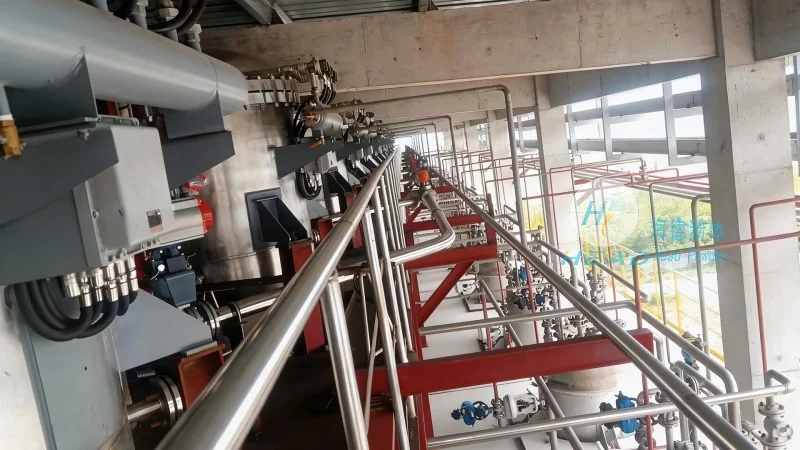
Advantages and Applications
Intelligent material feeding and conveying equipment offers several advantages that make it indispensable in modern industrial settings. These advantages include high precision in material measurement and dispensing, which reduces material waste and improves product quality. The automated operation reduces the need for manual intervention, enhancing safety and reducing labor costs. The real-time monitoring and control capabilities allow for quick adjustments to production changes, improving overall production flexibility. Additionally, the integration with other systems enables seamless data exchange, facilitating better production management and decision-making. The equipment is widely applied in industries such as pharmaceuticals, where precise dosing is critical for product safety and efficacy; food processing, where hygiene and accuracy are paramount; and chemical manufacturing, where consistent material handling is essential for product consistency. By providing reliable and efficient material handling solutions, this equipment contributes significantly to the productivity and competitiveness of modern industrial operations.