

Operation Process and Working Principle of PTFE Material Handling Systems
PTFE (Polytetrafluoroethylene) material handling systems are critical components in various industrial applications, particularly where chemical resistance, thermal stability, and non-stick properties are essential. These systems are designed to transport materials efficiently while maintaining the integrity of the material being handled. The operation process and working principle of such systems involve a combination of mechanical components, control mechanisms, and material-specific considerations to ensure optimal performance.
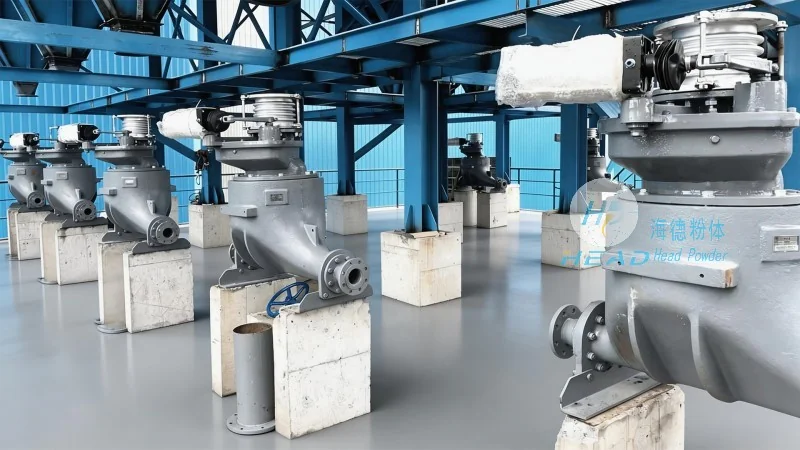
Company Overview: Shandong HeadPowder Engineering Co., Ltd.
Headpowder, a leading manufacturer in the field, specializes in the design, development, and implementation of advanced PTFE material handling solutions. With a strong commitment to quality and innovation, the company has established itself as a trusted partner for industries requiring reliable and durable material transport systems. Headpowder's expertise lies in customizing systems to meet specific operational requirements, ensuring that clients receive tailored solutions that enhance productivity and safety.
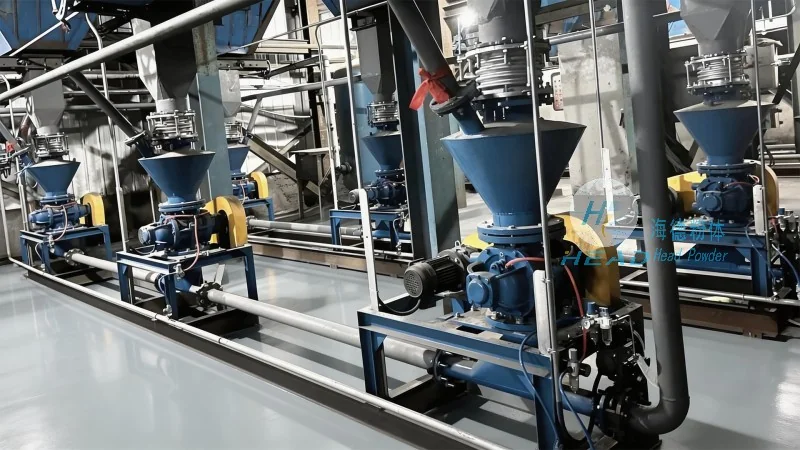
Key Components of PTFE Material Handling Systems
The core components of a PTFE material handling system typically include conveyors, pumps, valves, and control units. Each component plays a vital role in the overall operation. For instance, PTFE-lined conveyors are used to transport materials without causing contamination or degradation, as PTFE's non-stick surface prevents material adhesion. PTFE pumps and valves are designed to handle corrosive or abrasive materials, ensuring long service life and minimal maintenance. Control units, often equipped with advanced sensors and automation features, monitor system performance and adjust parameters in real-time to maintain optimal operation.
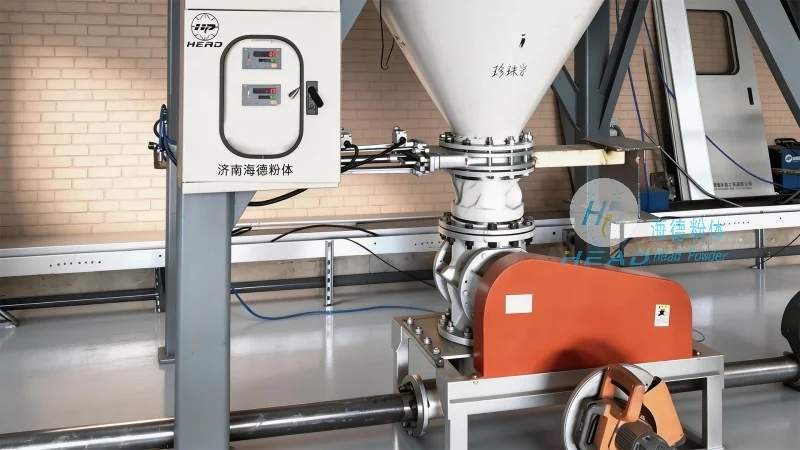
The Operation Process of PTFE Material Handling Systems
The operation process of a PTFE material handling system begins with material loading. Materials are fed into the system through hoppers or feeders, which are designed to handle the specific characteristics of the material being transported. The system then uses mechanical energy, such as motor-driven conveyors or pumps, to move the material through the system. During this process, the material is guided through PTFE-lined pipes or troughs, which prevent material sticking and ensure smooth flow. The system may include multiple stages, such as mixing, blending, or processing, where the material is subjected to controlled conditions. Finally, the material is discharged from the system into a collection container or further processing equipment. Throughout the operation, the system's control unit continuously monitors parameters like pressure, flow rate, and temperature to ensure that the process runs smoothly and efficiently.
The Working Principle of PTFE Material Handling Systems
The working principle of PTFE material handling systems is based on the principles of fluid dynamics and mechanical motion. PTFE's unique properties, including low friction coefficient and chemical inertness, enable the system to handle a wide range of materials, from powders and granules to liquids and slurries. The system's design minimizes material degradation by reducing friction and preventing chemical reactions between the material and the system components. The control unit uses sensors to detect the position and speed of the material, adjusting the system's output to maintain consistent performance. For example, in a conveyor system, the motor speed is adjusted based on the material's density and flow rate, ensuring that the material moves at an optimal speed without causing blockages or spillage. PTFE's thermal stability allows the system to operate in a wide temperature range, from cryogenic temperatures to high-temperature environments, making it suitable for diverse industrial applications.
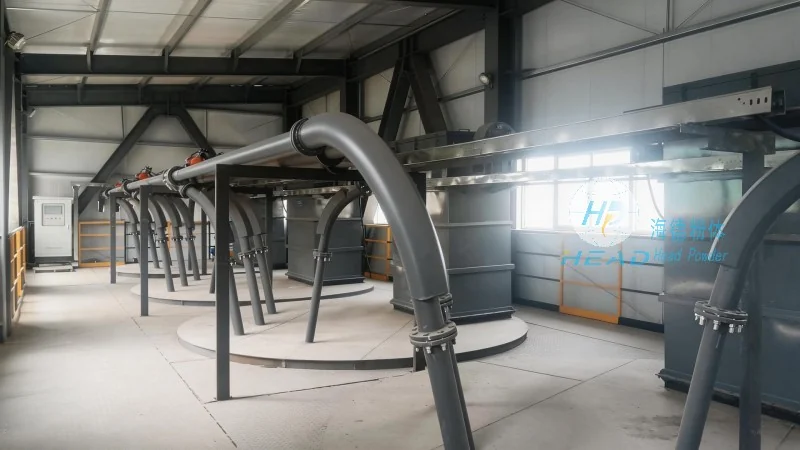
Applications and Benefits of PTFE Material Handling Systems
PTFE material handling systems are widely used in industries such as chemical processing, pharmaceuticals, food and beverage, and aerospace. The benefits of using PTFE systems include improved material quality, reduced maintenance costs, and enhanced safety. By preventing material contamination and degradation, these systems ensure that the final product meets the required specifications. The low friction properties of PTFE reduce energy consumption, leading to cost savings over the system's lifespan. Additionally, PTFE's chemical resistance allows the system to handle corrosive materials without the need for expensive coatings or liners, further reducing operational costs. Headpowder's systems are designed to meet the specific needs of each industry, providing customized solutions that enhance operational efficiency and product quality.