

Resin Pellet Material Conveying: Operation Process and Working Principle
Resin pellet material conveying is a critical process in the manufacturing and processing industries, particularly for companies dealing with polymer materials. Understanding the operation process and working principles of such systems is essential for optimizing production efficiency, ensuring product quality, and maintaining operational safety. This article provides a detailed overview of the key aspects involved in resin pellet conveying, including the components, mechanisms, and best practices for effective material handling.

Company Introduction: Shandong HeadPowder Engineering Co., Ltd.
Shandong HeadPowder Engineering Co., Ltd., commonly known as HeadPowder, is a leading manufacturer specializing in engineering solutions for material handling and processing. With a strong focus on innovation and quality, the company has established itself as a trusted partner for businesses requiring reliable and efficient conveying systems for resin pellets and other bulk materials. HeadPowder's expertise lies in designing and manufacturing equipment that meets the specific needs of various industrial applications, ensuring durability, performance, and compliance with industry standards. The company is located in Shandong, China, and serves clients globally with its advanced technology and customer-centric approach.
Components of Resin Pellet Conveying Systems
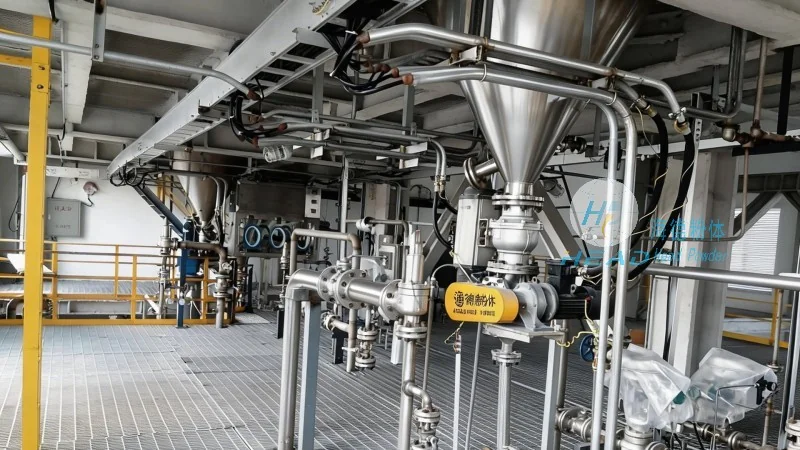
The resin pellet conveying system typically consists of several key components that work in tandem to transport materials from one location to another. These components include feeders, conveyors (such as screw conveyors, belt conveyors, or pneumatic systems), hoppers, and control systems. Each component plays a crucial role in the overall operation, and their proper integration is vital for smooth material flow. For instance, feeders are responsible for regulating the flow rate of resin pellets into the conveyor, while hoppers store and distribute the material evenly. Conveyors then transport the pellets through the system, and control systems monitor and adjust the process parameters to maintain optimal performance. The choice of components depends on factors like the material characteristics, required conveying distance, and operational environment.
Working Principle of Resin Pellet Conveying
The working principle of resin pellet conveying involves the movement of material through a series of mechanical or pneumatic mechanisms. In mechanical systems, such as screw conveyors, the material is pushed forward by rotating screws that are designed to handle the specific characteristics of resin pellets. The screws are typically made of durable materials like stainless steel or high-grade plastic to prevent wear and ensure long-term operation. The rotation of the screws creates a continuous flow of material, with the pitch and diameter of the screws being optimized for the pellet size and density. In pneumatic systems, compressed air is used to create a flow of air that carries the resin pellets through pipes or ducts. This method is particularly effective for transporting materials over longer distances or in environments where dust control is a priority, as the air flow can help minimize dust generation and improve air quality.
Operation Process of Resin Pellet Conveying
The operation process of resin pellet conveying begins with the loading of resin pellets into the hopper. The material is then fed into the conveyor system, where it is transported to the desired destination. The control system continuously monitors the flow rate, pressure, and other parameters to ensure that the process runs smoothly. Any deviations from the set parameters are automatically adjusted by the system to maintain consistent performance. During the conveying process, it is important to monitor the condition of the equipment, such as the wear of screws or the cleanliness of the system, to prevent issues like blockages or contamination. Regular maintenance and cleaning are essential to keep the system operating at peak efficiency. For example, checking the screw alignment and lubrication can prevent mechanical failures, while cleaning the hopper and conveyor can prevent material buildup and contamination. The operation process also involves setting up the system parameters, such as the speed of the conveyor and the feed rate, based on the material characteristics and production requirements. Proper calibration and adjustment are crucial to achieve the desired output and minimize waste.
Key Factors Affecting Resin Pellet Conveying Efficiency
Several factors can impact the efficiency of resin pellet conveying systems. The size and shape of the resin pellets, for example, can affect the flow characteristics and the choice of conveyor type. Larger or irregularly shaped pellets may require different equipment or adjustments to the system to ensure proper movement. The moisture content of the resin pellets is another critical factor, as excessive moisture can lead to clumping or blockages in the conveyor. Proper drying and conditioning of the material before conveying can help mitigate these issues. Additionally, the operating environment, such as temperature and humidity, can influence the performance of the system. Maintaining optimal conditions and using appropriate materials for the components can help ensure reliable operation. For instance, in high-temperature environments, using heat-resistant materials for the conveyor components can prevent deformation and maintain performance. Similarly, in humid conditions, using moisture-resistant materials and implementing drying processes can prevent material degradation. The system's design, including the slope of the conveyor and the size of the hopper, also plays a role in efficiency. A properly designed system ensures that the material flows smoothly without excessive pressure or friction, reducing the risk of wear and tear.
Applications of Resin Pellet Conveying
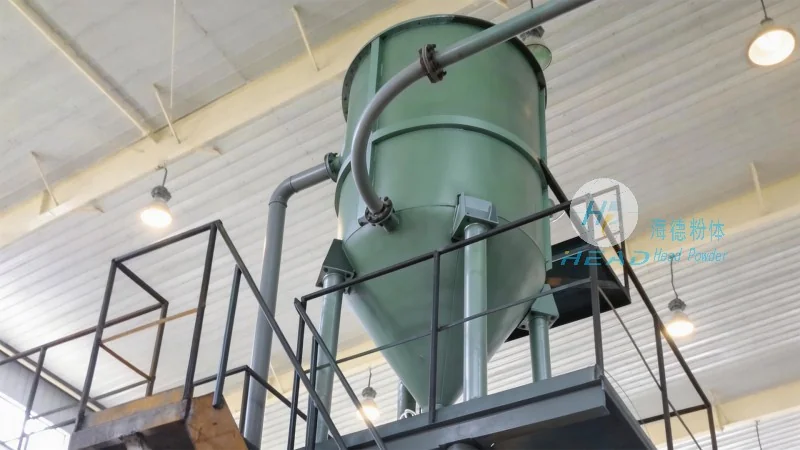
Resin pellet conveying systems are widely used in various industries, including plastics manufacturing, chemical processing, and food processing. In the plastics industry, these systems are essential for transporting resin pellets from storage to processing equipment, such as extruders or injection molding machines. The efficient movement of resin pellets ensures a steady supply of raw material for production, which is critical for maintaining production schedules and meeting customer demands. In chemical processing, they are used to move bulk chemicals and raw materials through production lines, facilitating the manufacturing of various chemical products. The versatility of resin pellet conveying systems makes them suitable for a wide range of applications, from small-scale operations to large industrial facilities. For example, in the food industry, conveying systems are used to transport food-grade resin pellets or other bulk food materials, ensuring hygienic and safe handling. The systems are designed to meet food safety standards, with materials that are non-toxic and easy to clean.
Benefits of Using Resin Pellet Conveying Systems
Implementing resin pellet conveying systems offers several benefits to businesses. One of the primary advantages is improved production efficiency, as these systems can handle large volumes of material with minimal human intervention. This leads to increased throughput and reduced downtime, allowing companies to meet production targets and enhance profitability. Another benefit is enhanced product quality, as consistent material flow and proper handling prevent issues like contamination or degradation. This is particularly important in industries where product quality directly impacts customer satisfaction and brand reputation. Additionally, resin pellet conveying systems contribute to better workplace safety by reducing the need for manual handling of heavy or bulky materials. Manual handling can lead to injuries and accidents, and automated systems minimize these risks. The automation and control features of these systems also allow for precise monitoring and adjustment, ensuring that the process meets the required standards. This includes real-time data collection and analysis, which can help identify areas for improvement and optimize the system's performance over time.