

Operation Process and Working Principle of Corn Granular Material Conveying
Comprehending the operation process and working principle of corn granular material conveying systems is vital for enhancing agricultural processing and material handling efficiency. This article offers a detailed overview of how these systems function, highlighting key components, operational steps, and the technical mechanisms that enable smooth and reliable transport of corn grains. The information is presented by Shandong HeadPowder Engineering Co., Ltd., a leading provider in the field, based in Shandong, China.
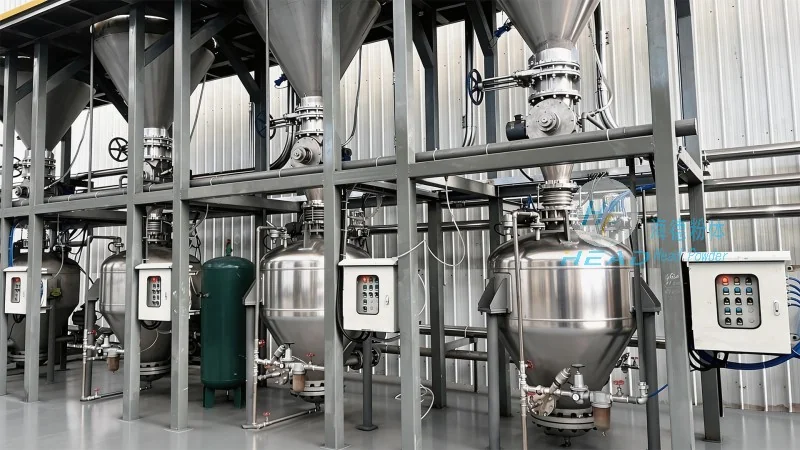
Introduction to Corn Granular Material Conveying Systems
Corn granular material conveying systems are essential in agricultural and industrial settings where the efficient movement of corn grains from storage to processing units is required. These systems are designed to handle the bulk transport of corn, ensuring minimal loss, low energy consumption, and consistent performance. The technology behind these systems combines mechanical engineering principles with advanced material handling techniques to meet the demands of modern corn processing operations.
Key Components of the Conveying System
The corn granular material conveying system typically consists of several core components that work in tandem to facilitate the transport process. These components include the feed hopper, conveyor belt or screw mechanism, drive system, control panel, and discharge outlet. Each component plays a vital role in ensuring the system operates efficiently and reliably. The feed hopper is responsible for receiving and storing the corn grains, while the conveyor mechanism (either a belt that moves over rollers or a screw that rotates) moves the material along the designated path. The drive system provides the necessary power to operate the conveyor, and the control panel allows operators to monitor and adjust the system's performance as needed. The discharge outlet then delivers the corn to the next stage of processing.
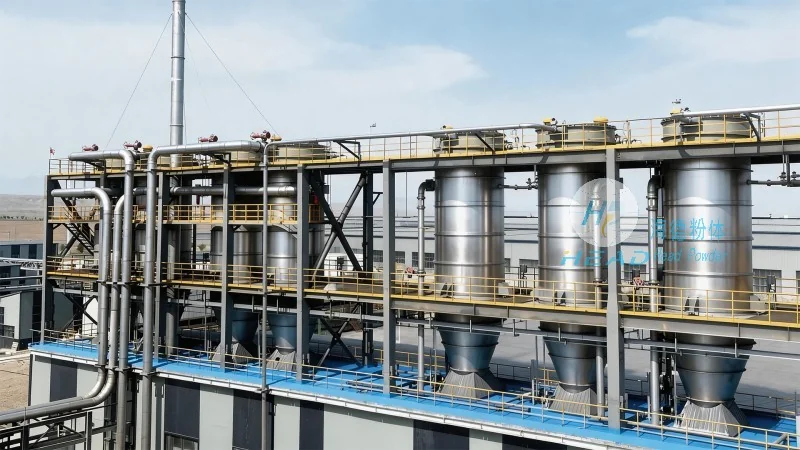
Operation Process of the Conveying System
The operation process of a corn granular material conveying system involves a series of sequential steps that ensure the smooth and continuous movement of corn grains. The process begins with the loading of corn into the feed hopper. As the hopper fills, the material is released into the conveyor mechanism. The conveyor then transports the corn along its path, using either a belt that moves over rollers or a screw that pushes the material forward. The speed of the conveyor can be adjusted to control the flow rate of the corn, which is crucial for maintaining consistent processing speeds downstream. The control panel allows operators to monitor the system's performance, including the flow rate, pressure, and any potential blockages. If a blockage occurs, the system may automatically pause or adjust its operation to prevent damage. Once the corn reaches the discharge outlet, it is transferred to the next processing stage, such as milling or storage.
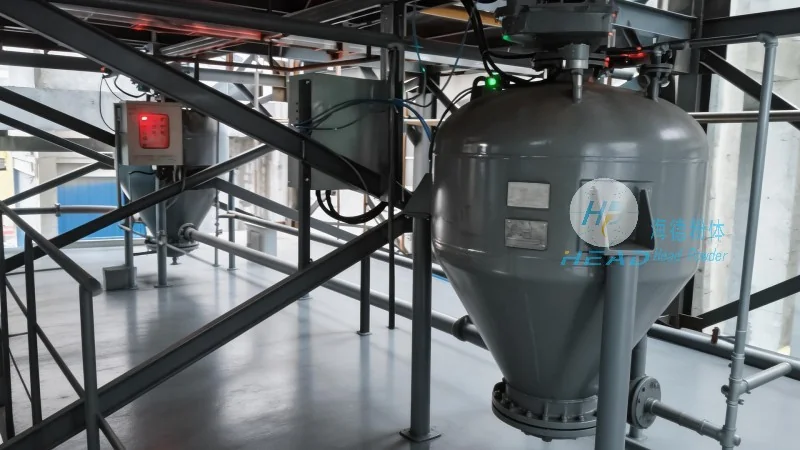
Working Principle of the Conveying System
The working principle of a corn granular material conveying system is based on the principles of mechanical motion and material flow. The system relies on the force of gravity and the mechanical action of the conveyor mechanism to move the corn grains. In a belt conveyor system, the belt moves over a series of rollers, and the corn grains are carried along the belt's surface. The friction between the belt and the corn grains ensures that the material is transported without slipping or falling off. In a screw conveyor system, the rotating screw pushes the corn grains forward through a cylindrical tube. The pitch and speed of the screw determine the flow rate and the pressure exerted on the material. The system's control panel monitors various parameters, such as the speed of the conveyor, the pressure in the hopper, and the flow rate of the corn, to ensure optimal performance. By adjusting these parameters, operators can maintain the system's efficiency and prevent issues such as overloading or blockages.
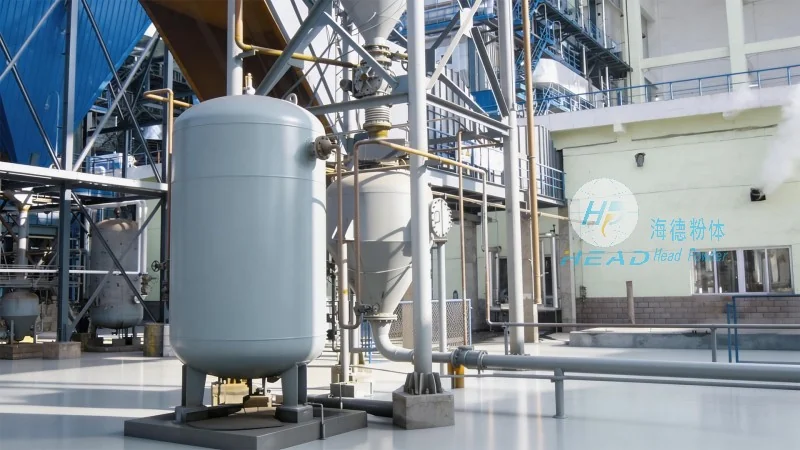
Technical Advantages and Considerations
Corn granular material conveying systems offer several technical advantages that make them ideal for agricultural and industrial applications. These advantages include low energy consumption, minimal material loss, and the ability to handle large volumes of corn. The systems are also designed to be durable and reliable, with components that can withstand the harsh conditions of corn processing. However, there are also some considerations to keep in mind when operating these systems. For example, the system must be properly maintained to prevent wear and tear on the components. Regular cleaning and lubrication of the conveyor mechanism are essential to ensure smooth operation. Additionally, the system should be equipped with safety features, such as emergency stop buttons and protective guards, to prevent accidents and injuries.
Conclusion
In conclusion, the operation process and working principle of corn granular material conveying systems are critical for the efficient processing of corn grains. These systems are designed to handle large volumes of corn with minimal loss and low energy consumption. By understanding the key components, operational steps, and technical mechanisms of these systems, operators can optimize their performance and ensure consistent quality in corn processing. Shandong HeadPowder Engineering Co., Ltd. is a leading provider of corn granular material conveying systems, offering high-quality equipment and technical support to meet the needs of agricultural and industrial clients in Shandong, China.