

Operation Process and Working Principle of Potato Material Conveying Systems
For agricultural and processing operations, the efficient handling of potato materials is crucial for maintaining productivity and product quality. The process of potato material conveying involves a series of steps and mechanisms designed to transport potatoes from one location to another within a processing facility. Understanding the operation process and working principle of these systems is essential for optimizing workflow and ensuring consistent performance.
Key Components of Potato Material Conveying Systems
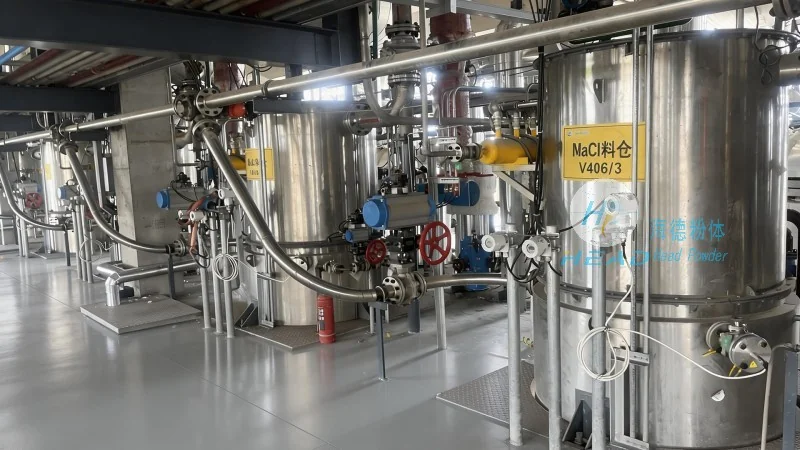
At the core of potato material conveying systems are several key components that work in tandem to facilitate the movement of potatoes. These components include feed hoppers, conveyor belts or rollers, control mechanisms, and discharge mechanisms. The feed hopper is responsible for collecting raw potatoes and feeding them into the conveyor system. The conveyor itself, which may be a belt conveyor, screw conveyor, or chain conveyor, moves the potatoes along the designated path. Control systems, often automated, regulate the speed and direction of the conveyor, while discharge mechanisms ensure that the potatoes are released at the correct location, such as a processing line or storage area.
Operation Process of Potato Material Conveying
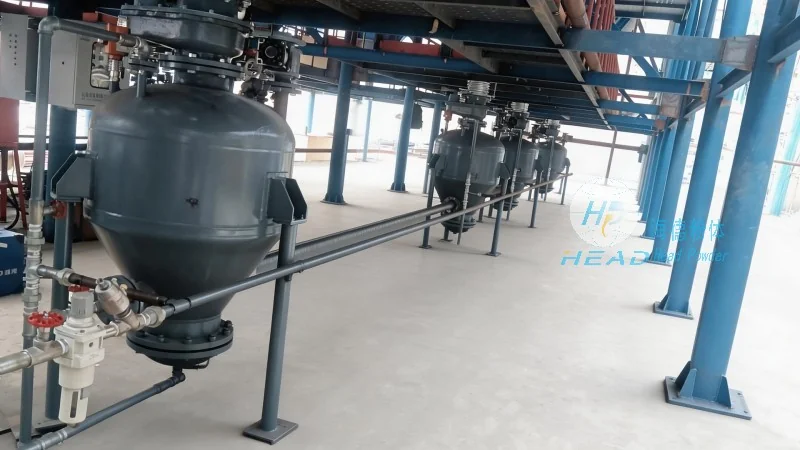
The operation process of potato material conveying typically begins with the loading of raw potatoes into the feed hopper. Once the hopper is filled, the control system activates the conveyor, initiating the movement of potatoes along the belt or rollers. As the potatoes travel through the system, they may undergo preliminary sorting or cleaning, depending on the design of the conveyor and the specific processing requirements. The conveyor continues to transport the potatoes until they reach the discharge point, where they are collected and prepared for the next stage of processing. This continuous cycle ensures a steady flow of potatoes through the facility, minimizing downtime and maximizing throughput.
Working Principle of Potato Material Conveying Mechanisms
The working principle of potato material conveying systems relies on mechanical energy to move the potatoes. For belt conveyors, a motor-driven pulley system rotates the belt, which in turn moves the potatoes placed on the belt's surface. The friction between the belt and the potatoes provides the necessary traction to move the load. Screw conveyors, on the other hand, use a rotating screw to push the potatoes forward along a trough. This mechanism is particularly effective for vertical or inclined transport, as the screw's rotation creates a continuous push force. Chain conveyors may use a series of chain links with attached buckets or plates to transport the potatoes, offering flexibility in handling different potato sizes and shapes.
Benefits of Efficient Potato Material Conveying
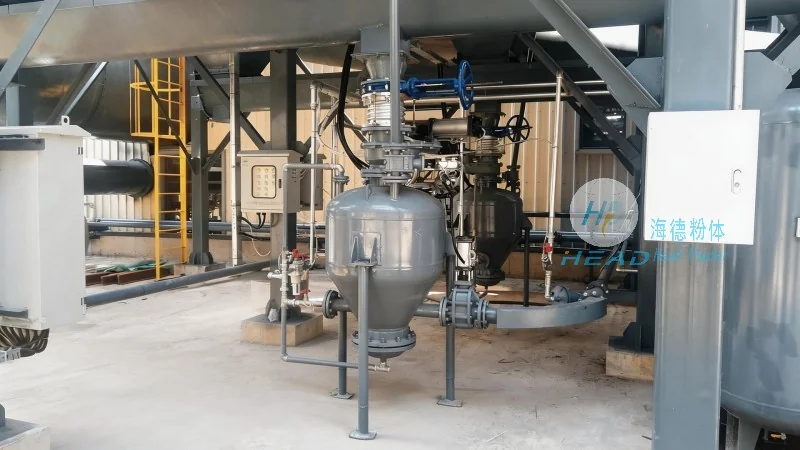
Efficient potato material conveying systems offer several benefits for agricultural and processing operations. Firstly, they enhance productivity by ensuring a consistent and continuous flow of potatoes, reducing the need for manual handling and labor. Secondly, they improve product quality by minimizing damage to the potatoes during transport, as the gentle movement of the conveyor reduces the risk of bruising or crushing. Thirdly, they optimize space utilization within the processing facility, as conveyor systems can be designed to fit into tight spaces and follow the layout of the facility. Additionally, automated control systems allow for precise regulation of the conveyor speed and direction, ensuring that potatoes are transported to the correct location without errors or delays.
Applications in Potato Processing
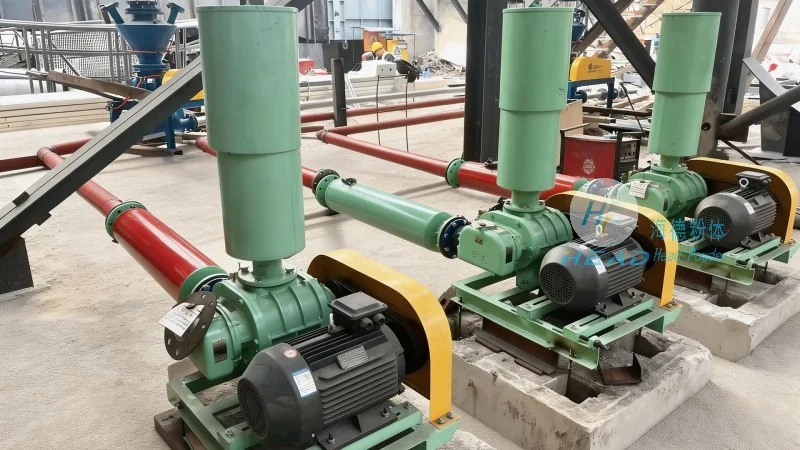
Potato material conveying systems are widely used in various stages of potato processing, from harvesting and storage to preparation and packaging. In the harvesting stage, conveyors are used to transport freshly harvested potatoes from the field to storage facilities, reducing the time between harvest and processing. During storage, conveyors help move potatoes between different storage areas or to processing lines, ensuring that the potatoes are handled gently and efficiently. In the preparation stage, conveyors transport potatoes to washing and peeling machines, where they are cleaned and prepared for further processing. Finally, in the packaging stage, conveyors move the processed potatoes to packaging lines, where they are packaged and prepared for distribution. The versatility of potato material conveying systems makes them essential in all stages of potato processing, from raw material handling to final product delivery.
Conclusion and Company Overview
Understanding the operation process and working principle of potato material conveying systems is vital for optimizing agricultural and processing operations. These systems, designed to efficiently transport potatoes, enhance productivity, improve product quality, and optimize space utilization. The key components, operation process, and working principles of these systems work together to ensure a smooth and continuous flow of potatoes through the facility. For businesses involved in potato processing, investing in efficient conveying systems is a strategic decision that can lead to increased efficiency and profitability. Shandong HeadPowder Engineering Co., Ltd., a leading manufacturer of potato material conveying systems, specializes in providing high-quality, reliable, and customized solutions to meet the diverse needs of potato processing operations. With a focus on innovation and customer satisfaction, HeadPowder delivers systems that enhance the performance and productivity of potato processing facilities. Based in Shandong, China, HeadPowder leverages its expertise and experience to deliver solutions that meet the highest standards of quality and reliability.