

Operation Process and Working Principle of Potassium Sulfate Material Handling
For industrial applications requiring the efficient and reliable transport of potassium sulfate, understanding the operation process and working principle of specialized material handling systems is crucial. This article provides an in-depth look at how these systems function, ensuring optimal performance in various industrial settings. The focus is on the technical aspects and practical applications that make such systems essential for industries dealing with bulk potassium sulfate.
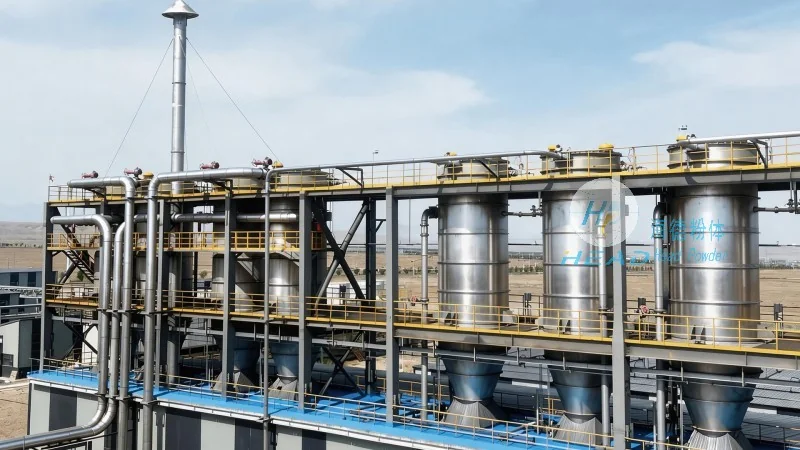
About Shandong HeadPowder Engineering Co., Ltd.
HeadPowder, a leading manufacturer in the field of material handling solutions, specializes in designing and producing equipment tailored for the transportation of bulk materials like potassium sulfate. With a strong commitment to quality and innovation, the company has established itself as a trusted partner for industries relying on efficient material transport processes. HeadPowder's expertise lies in creating customized solutions that meet the specific needs of clients, ensuring that the material handling systems are both effective and durable. The company's operations are based in Shandong, China, where it leverages advanced technology and skilled workforce to deliver high-quality products.
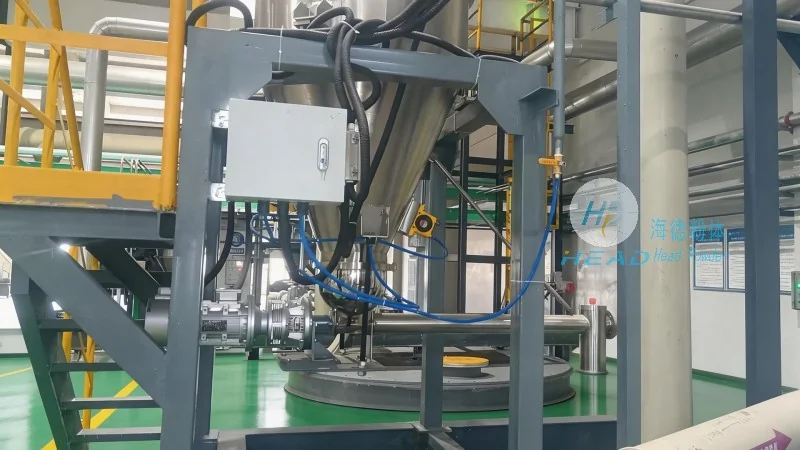
The Operation Process of Potassium Sulfate Material Handling
The operation of potassium sulfate material handling systems typically involves several key stages. Initially, the material is loaded into the handling equipment, such as a conveyor or pneumatic system. The system then transports the material through a series of components, including feeders, conveyors, and possibly storage silos. Each stage is designed to ensure smooth and continuous movement, minimizing downtime and maximizing throughput. The process may also include features like automatic control systems that adjust speed and direction based on operational needs, enhancing overall efficiency. For example, in a typical industrial setup, potassium sulfate is first fed into a hopper, which then transfers the material to a conveyor belt. The conveyor transports the material to a storage silo or processing unit, where it is further handled as required. This sequential process ensures that the material is moved efficiently from the point of origin to the destination, with minimal human intervention.
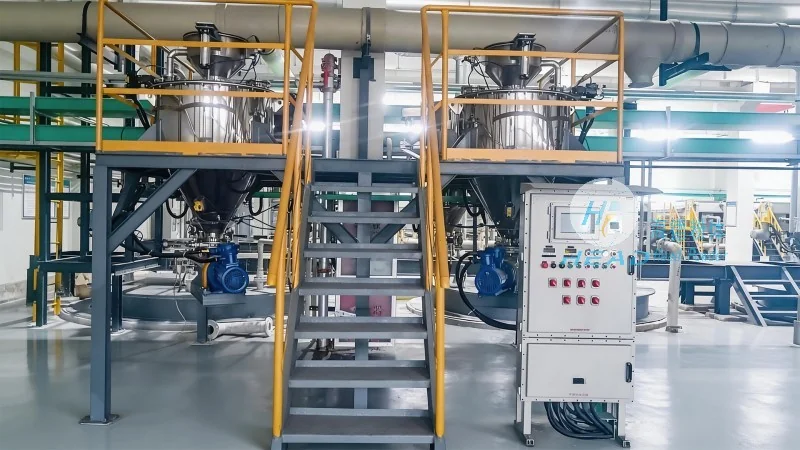
Working Principle of Potassium Sulfate Material Handling Systems
The working principle of these systems is based on mechanical or pneumatic forces that move the material from one location to another. For example, conveyor systems use rollers or belts to transport the material, while pneumatic systems utilize air pressure to push or pull the material through pipes. The design of the system is tailored to the physical properties of potassium sulfate, such as its bulk density and flow characteristics, ensuring that the material moves without clogging or segregation. Advanced systems may incorporate sensors and control mechanisms to monitor the flow rate and adjust the operation in real-time, providing precise control over the material handling process. The mechanical design of the equipment, including the angle of the conveyor and the type of belt used, is optimized to prevent material buildup and ensure consistent flow. In pneumatic systems, the air pressure is carefully controlled to maintain the correct velocity of the material, preventing damage to the material or the system components. These principles ensure that the material handling process is both safe and efficient, meeting the demands of modern industrial operations.
Key Components and Their Roles
Several key components are integral to the operation of potassium sulfate material handling systems. The hopper is the initial component where the material is stored and fed into the system. It is designed to handle the bulk density of potassium sulfate and ensure a consistent flow of material into the feeder. The feeder, which may be a rotary or vibratory type, regulates the amount of material entering the conveyor, preventing overloading and ensuring smooth operation. The conveyor system, which can be belt, screw, or chain-type, transports the material through the system. The type of conveyor is chosen based on the material's characteristics and the distance it needs to be transported. For example, a belt conveyor is suitable for long distances and large volumes, while a screw conveyor is ideal for vertical or horizontal transport in confined spaces. The storage silo, if included, provides a buffer for the material, allowing for continuous operation even when the downstream processes are temporarily paused. Each component works in harmony to ensure the efficient and reliable transport of potassium sulfate, minimizing losses and maximizing productivity.
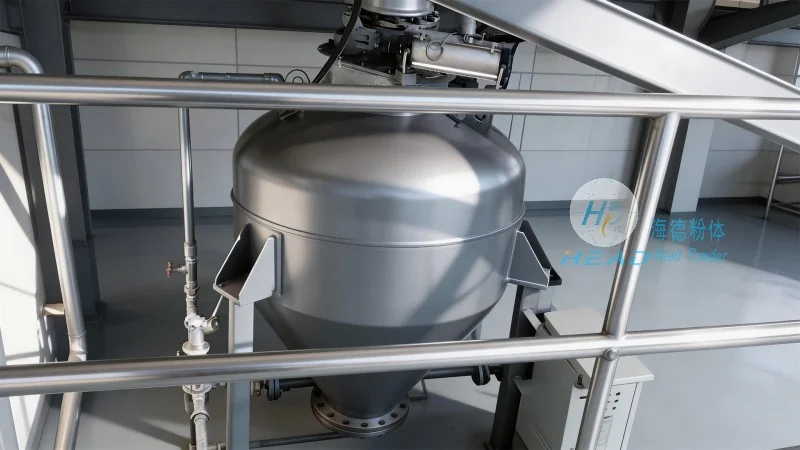
Benefits of Efficient Material Handling for Potassium Sulfate
Efficient material handling systems for potassium sulfate offer several benefits to industrial operations. First, they improve productivity by reducing downtime and increasing throughput. By ensuring a continuous flow of material, these systems allow for uninterrupted production, leading to higher output and better resource utilization. Second, they enhance safety by minimizing the risk of material spills and accidents. The controlled movement of the material reduces the likelihood of blockages or overflows, which can cause safety hazards. Third, they improve cost-effectiveness by reducing energy consumption and maintenance costs. Advanced systems with automatic controls optimize energy use and reduce the need for frequent maintenance, leading to lower operational expenses. Finally, they contribute to environmental sustainability by minimizing material waste and reducing the environmental impact of the handling process. By ensuring that the material is handled efficiently and safely, these systems help industries meet their environmental goals and comply with regulations.