

Operation Process and Working Principle of Zinc Oxide Material Handling
For industries dealing with zinc oxide, efficient material handling is crucial to maintain production efficiency and ensure product quality. This article provides a detailed overview of the operation process and working principle of zinc oxide material handling systems, highlighting key aspects that contribute to smooth and reliable material transport. The content is tailored to assist businesses in understanding the technical aspects and operational strategies for handling zinc oxide, with a focus on practical applications and industry standards. Shandong HeadPowder Engineering Co., Ltd., a leading provider in material handling solutions, offers expertise in designing and implementing efficient zinc oxide material handling systems to meet the diverse needs of various industries.
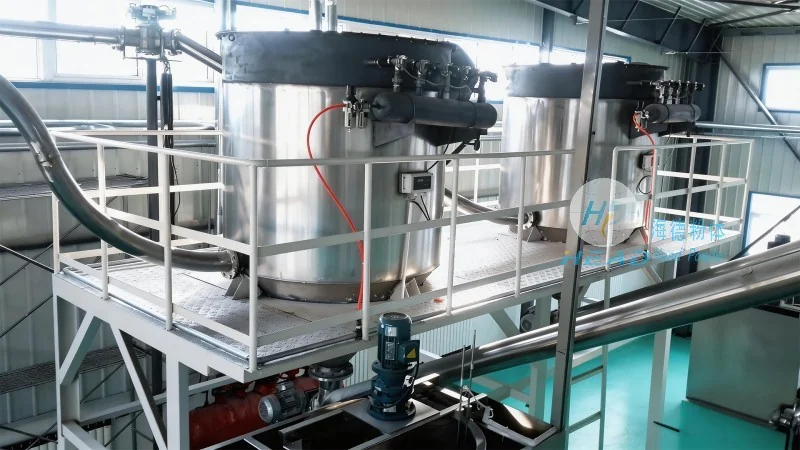
Introduction to Zinc Oxide Material Handling
Zinc oxide (ZnO) is a widely used chemical compound in various industries, including pharmaceuticals, ceramics, and rubber manufacturing. The efficient transportation and processing of zinc oxide are essential to meet production demands and maintain product consistency. Material handling systems for zinc oxide must be designed to handle the material's physical properties, such as its fine particle size and potential dust generation, while ensuring safety and compliance with industrial regulations. The following sections will delve into the operation process and working principles of zinc oxide material handling, providing insights into the technology and best practices.
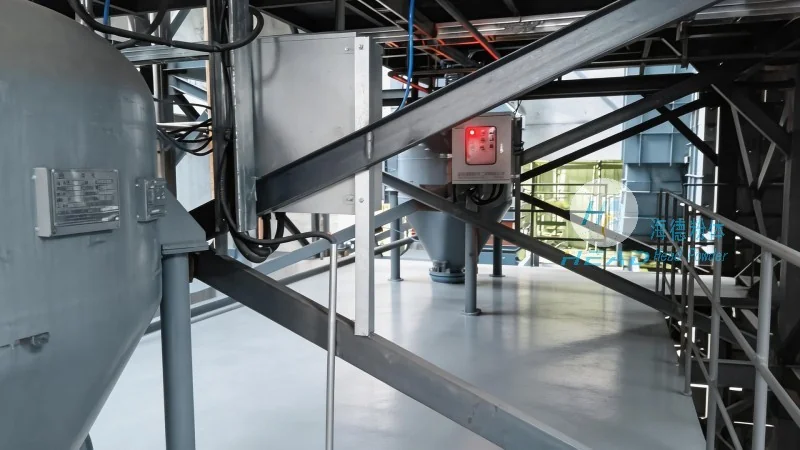
Key Components of Zinc Oxide Material Handling Systems
The operation of zinc oxide material handling systems involves several key components that work in tandem to ensure efficient material transport. These components include feeders, conveyors, storage silos, and control systems. Each component plays a critical role in the overall process, and their proper integration is vital for optimal performance. For instance, feeders are used to regulate the flow of zinc oxide from storage silos to the conveyor system, preventing overloading or underflow that could disrupt the production line. Conveyors, such as belt conveyors or pneumatic conveyors, are then used to transport the material to processing units or packaging areas. Storage silos are essential for bulk storage, allowing for continuous material supply and reducing downtime. Control systems, often integrated with sensors and automation technology, monitor the entire process, ensuring that parameters like flow rate, pressure, and temperature are maintained within safe and efficient operating ranges.
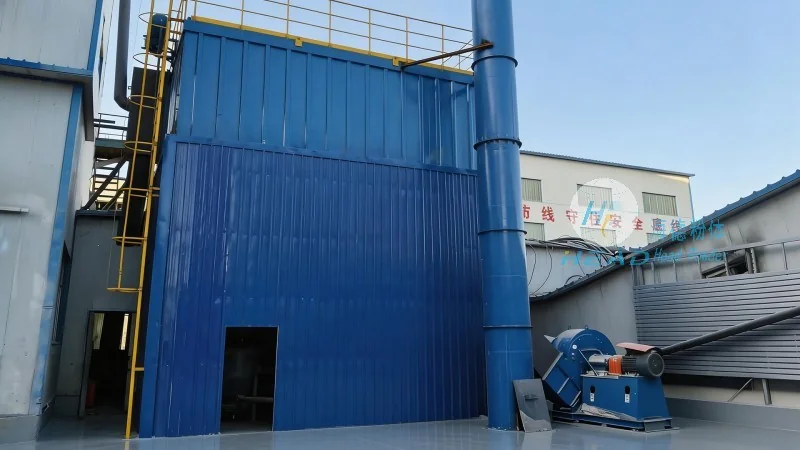
Operation Process of Zinc Oxide Material Handling
The operation process of zinc oxide material handling typically follows a standardized sequence to ensure consistency and reliability. The process begins with the loading of zinc oxide into the storage silo. The material is then discharged from the silo into a feeder, which controls the flow rate based on the production requirements. The feeder then delivers the material to a conveyor system, which transports it to the processing or packaging area. In some cases, intermediate storage or blending units may be included to adjust the material's composition or moisture content. The entire process is monitored by a control system that adjusts parameters in real-time, ensuring that the material handling operation runs smoothly without interruptions. This systematic approach helps in maintaining the quality of zinc oxide and minimizing the risk of material loss or contamination.