

Operation Process and Working Principle of Solid Powder Material Conveying
HeadPowder, a leading engineering company based in Shandong, China, specializes in the design, manufacturing, and implementation of advanced systems for the conveyance of solid powder materials. This article provides a detailed overview of the operational process and working principles behind these critical systems, highlighting the technical aspects and practical applications that define their efficiency and reliability.
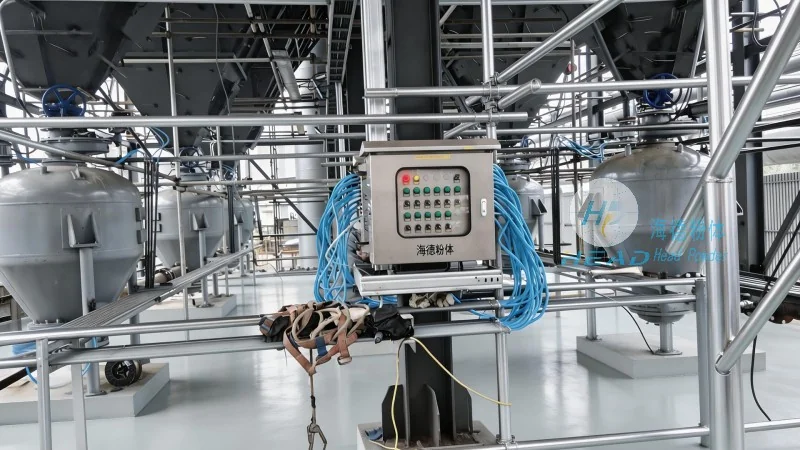
Company Overview and Expertise
Shandong HeadPowder Engineering Co., Ltd., commonly known as HeadPowder, is a reputable enterprise dedicated to providing innovative solutions for powder handling and material transport. With a strong presence in Shandong, China, the company leverages years of industry experience to develop tailored systems that meet the diverse needs of clients across various sectors, including chemical, pharmaceutical, food processing, and industrial manufacturing. HeadPowder's commitment to quality and precision ensures that their equipment operates seamlessly, optimizing material flow and reducing operational downtime.
The Core Components of Solid Powder Conveying Systems
At the heart of solid powder material conveying systems are several key components that work in tandem to ensure efficient transport. These include feeders, conveyors, control systems, and auxiliary equipment. Each component plays a crucial role in the overall operation, from the initial intake of powder to its final delivery. For instance, feeders are responsible for regulating the flow rate of the material, preventing overloading or underloading of the conveyor. Conveyors, such as pneumatic or mechanical systems, then transport the powder through a network of pipes or channels. Control systems, often integrated with sensors and automation technology, monitor the process parameters and adjust operations as needed to maintain optimal performance.
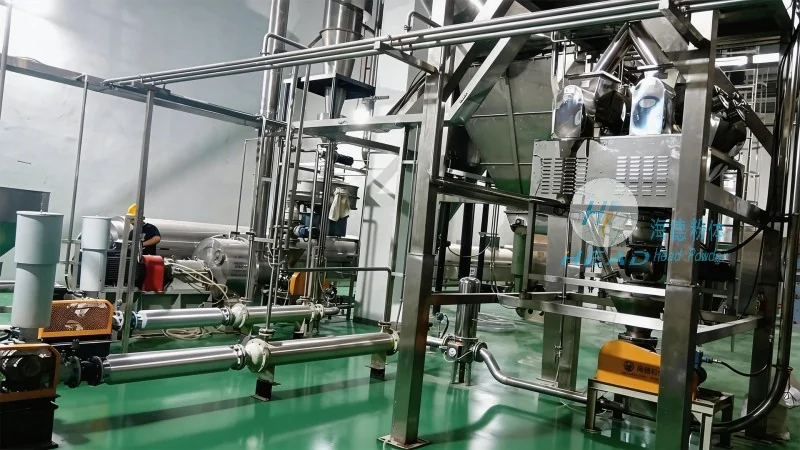
Operation Process: Step-by-Step Analysis
The operation of solid powder conveying systems typically follows a systematic sequence of steps. The process begins with the preparation of the material, which may involve drying, screening, or blending to ensure uniformity and consistency. Once prepared, the material is fed into the system via a hopper or feeder. The feeder then regulates the flow, ensuring a steady stream of powder enters the conveyor. The conveyor transports the material through the system, using either air pressure (in pneumatic systems) or mechanical force (in mechanical systems) to move the particles. Along the way, the system may include features such as filters, cyclones, or separators to remove impurities or separate different components. The final stage involves the discharge of the material into a storage tank, silo, or processing unit, completing the cycle.
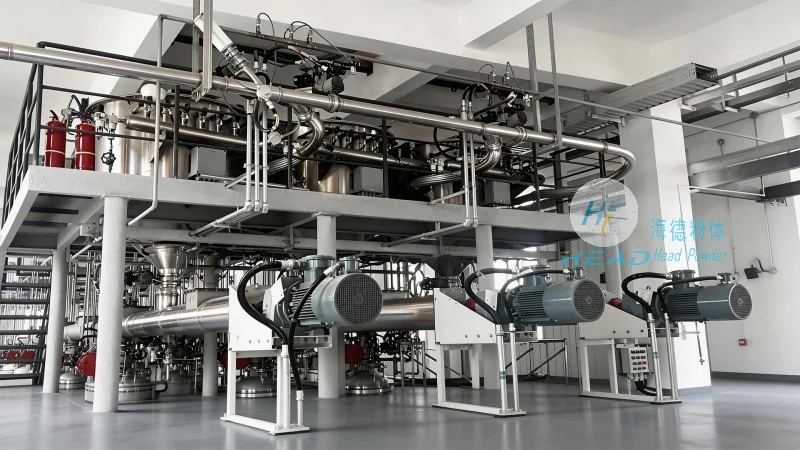
Working Principle: How the Systems Function
The working principle of solid powder conveying systems varies depending on the type of technology employed. Two common approaches are pneumatic conveying and mechanical conveying. Pneumatic systems utilize compressed air to create a flow that carries the powder particles through the system. The air pressure and velocity are carefully controlled to ensure the material is transported without clogging or degradation. Mechanical systems, on the other hand, rely on mechanical components like belts, screws, or buckets to move the powder. These systems are often more suitable for bulk materials or materials that are sensitive to air exposure. Both systems are designed to handle a wide range of powder characteristics, including different particle sizes, densities, and moisture content, making them versatile for various industrial applications.
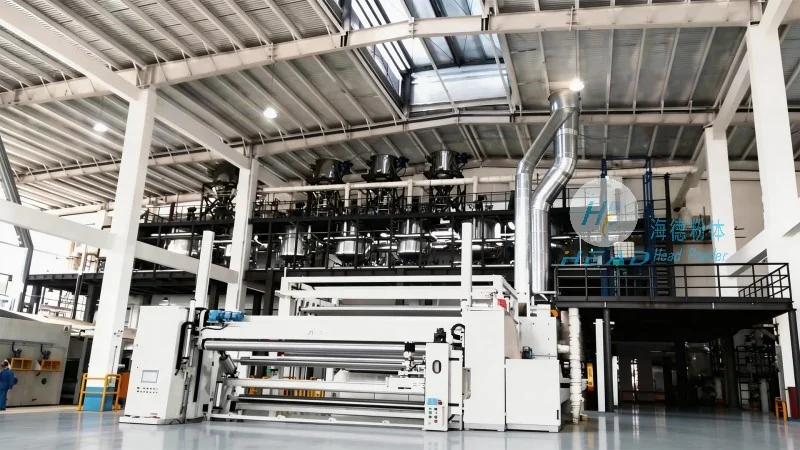
Key Advantages and Applications
Solid powder conveying systems offer numerous advantages that make them indispensable in modern industrial operations. These include high efficiency in material transport, reduced labor costs, and improved safety by minimizing manual handling of powders. The systems are also highly customizable, allowing companies to adapt them to specific production requirements. HeadPowder's systems are widely used in industries such as chemical manufacturing, where precise control over material flow is critical, and in food processing, where hygiene and contamination prevention are paramount. Additionally, the systems contribute to environmental sustainability by reducing waste and optimizing resource utilization.
Conclusion
In conclusion, the operation process and working principles of solid powder material conveying systems are complex yet essential for efficient industrial operations. HeadPowder, with its expertise and commitment to innovation, provides advanced solutions that enhance productivity and reliability. By understanding the core components and operational steps, industries can leverage these systems to improve their processes and achieve better outcomes. As technology continues to advance, these systems will remain a vital part of modern manufacturing, ensuring the smooth and safe transport of solid powders.