

Operation Process and Working Principle of Calcium Oxide Powder Material Handling
Calcium oxide, commonly known as quicklime, is a crucial industrial material widely used in various sectors such as construction, chemical manufacturing, and environmental treatment. Efficient material handling of calcium oxide powder is essential for maintaining production efficiency and ensuring product quality. This article provides a detailed overview of the operation process and working principle of calcium oxide powder material handling, highlighting key aspects that contribute to effective and safe handling.
About Shandong HeadPowder Engineering Co., Ltd.
Shandong HeadPowder Engineering Co., Ltd., operating under the brand name headpowder, is a leading provider of specialized material handling solutions. With a strong commitment to innovation and quality, the company has established itself as a trusted partner in the industry, offering tailored solutions for diverse material handling needs. HeadPowder’s expertise lies in designing and implementing efficient systems for handling powders like calcium oxide, ensuring optimal performance and reliability.
The Operation Process of Calcium Oxide Powder Material Handling
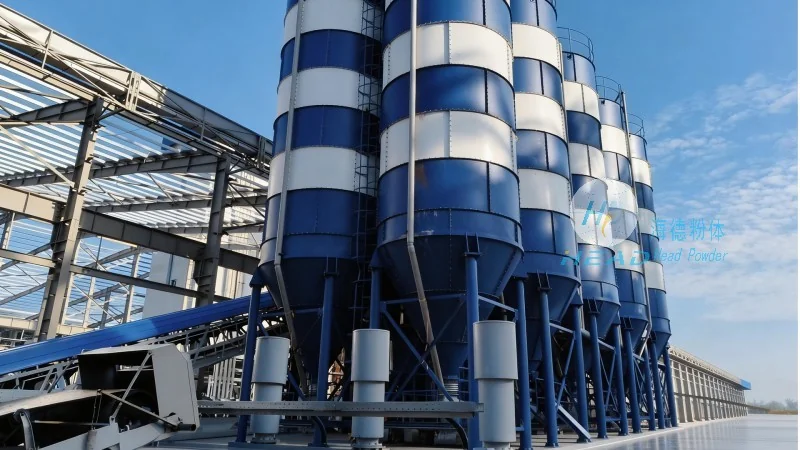
The operation process of calcium oxide powder material handling typically involves several key steps designed to ensure safe and efficient transfer of the material. The process begins with the storage of calcium oxide powder in bulk storage silos or hoppers. These storage vessels are equipped with appropriate sealing and ventilation systems to prevent moisture absorption and dust accumulation, which are critical for maintaining the quality of the powder. Once the material is ready for transfer, it is fed into a material handling system, which may include conveyor belts, pneumatic conveying systems, or screw conveyors, depending on the specific requirements of the application.
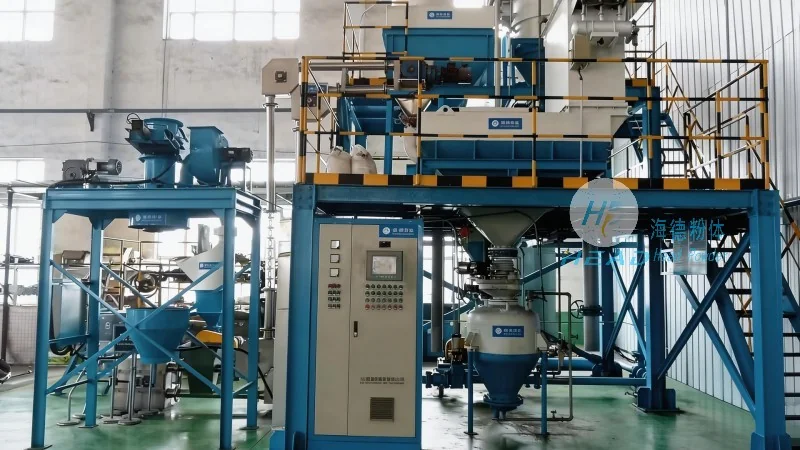
Conveyor belts are commonly used for horizontal or slight incline transport of calcium oxide powder, providing a reliable and low-maintenance method for moving the material over short to medium distances. The belts are typically made of durable materials resistant to chemical corrosion and wear, ensuring long-term operation. For longer distances or vertical transport, pneumatic conveying systems are often employed. These systems use air pressure to transport the powder through a network of pipes, allowing for flexible and efficient movement of the material. The working principle of pneumatic conveying involves generating a pressure differential that propels the powder particles through the system, with the air flow rate and pressure carefully controlled to maintain optimal material flow and prevent blockages.
Screw conveyors are another common method used in calcium oxide powder material handling, particularly for vertical or inclined transport. These systems consist of a rotating screw inside a trough, which moves the material along the length of the conveyor. The screw design, including pitch and diameter, is optimized to handle the specific characteristics of calcium oxide powder, ensuring smooth and continuous material flow. The working principle of screw conveyors relies on the mechanical action of the rotating screw to push the material forward, with the speed and rotation direction controlled to achieve the desired transport rate.
Working Principle of Calcium Oxide Powder Material Handling Systems
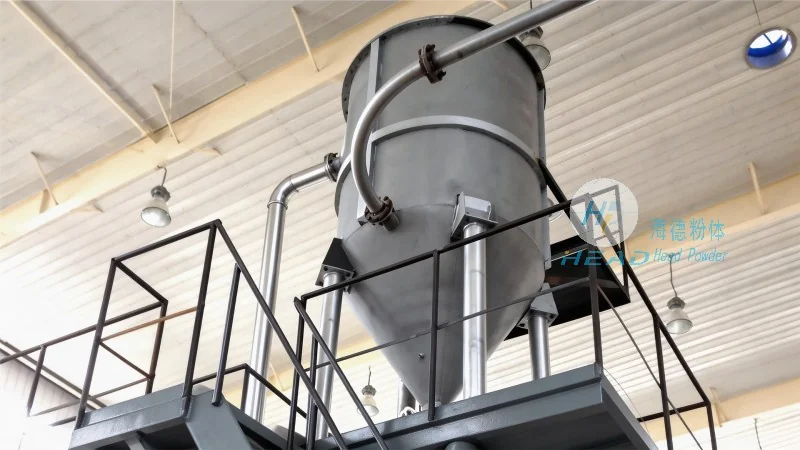
The working principle of calcium oxide powder material handling systems is based on the fundamental principles of fluidization and particle movement. When calcium oxide powder is handled, it behaves like a fluid under certain conditions, allowing for efficient transport through various systems. The key to effective material handling lies in controlling the flow characteristics of the powder, such as its density, particle size distribution, and moisture content. These factors significantly impact the performance of the handling equipment and must be carefully considered during the design and operation of the system.
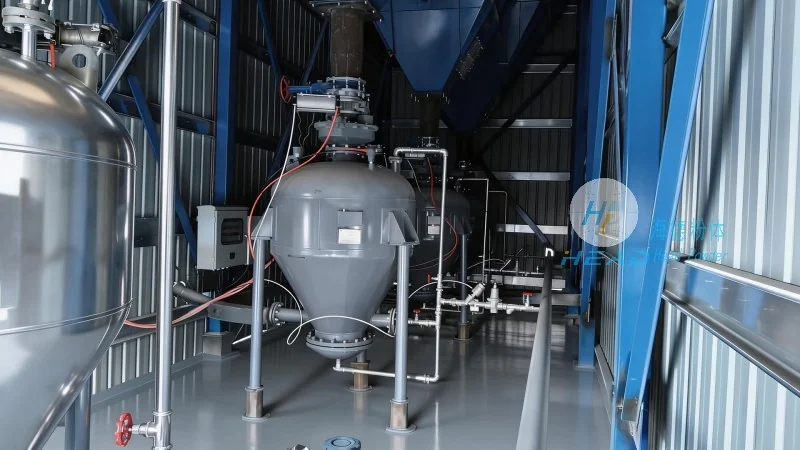
In pneumatic conveying systems, the working principle involves creating a gas-solid flow where the powder particles are suspended in the air stream. The air velocity must be sufficient to overcome the gravitational forces acting on the particles, ensuring that they remain in suspension and are transported through the system. The pressure drop across the conveying line is a critical parameter, as it indicates the energy required to move the material and can be used to optimize the system for efficiency. Proper design of the system, including the selection of air ducts, valves, and filters, is essential to prevent dust emissions and maintain air quality.
Conveyor belts and screw conveyors operate on mechanical principles, where the material is physically moved by the equipment. Conveyor belts use friction between the belt surface and the material to transport it, while screw conveyors rely on the rotational motion of the screw to push the material forward. The design of these systems, including the angle of inclination, speed of operation, and material loading, is crucial for preventing issues such as material buildup, blockages, or excessive wear. Regular maintenance and monitoring of the equipment are necessary to ensure consistent performance and minimize downtime.
Safety and Maintenance Considerations in Calcium Oxide Powder Handling
Handling calcium oxide powder requires adherence to strict safety protocols due to its chemical properties and potential hazards. Calcium oxide is a strong base and can cause severe skin and eye irritation upon contact with moisture, as it reacts with water to form calcium hydroxide (slaked lime) and releases heat. Therefore, proper personal protective equipment (PPE), including gloves, goggles, and respiratory protection, is essential for personnel working with the material. The handling systems must also be designed to prevent dust generation and exposure, with appropriate dust collection and filtration systems installed to maintain a safe working environment.
Maintenance of calcium oxide powder handling systems is critical to ensure long-term reliability and performance. Regular inspections of conveyor belts, screw conveyors, and pneumatic systems are necessary to identify and address any issues such as wear, blockages, or leaks. Cleaning of the equipment, especially after handling different materials or during shutdown periods, is important to prevent contamination and maintain the quality of the calcium oxide powder. Proper lubrication of moving parts and replacement of worn components are also essential to prevent equipment failure and extend the lifespan of the system.