

Operation Process and Working Principle of Silica Gas-Pneumatic Conveying Lines
Silica, a common form of silicon dioxide (SiO₂), is widely used in various industrial applications due to its high purity and stability. The efficient transport of silica powder from one location to another is crucial for maintaining production efficiency and minimizing material loss. Gas-pneumatic conveying systems offer a reliable solution for handling silica, providing a dust-free and low-maintenance method of material transport. This article explores the operation process and working principle of silica gas-pneumatic conveying lines, highlighting the key components, operational steps, and benefits of such systems.
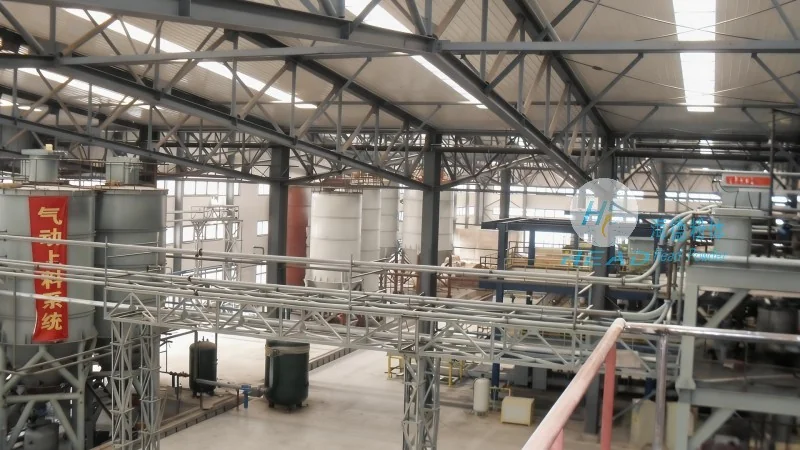
Company Profile: Shandong HeadPowder Engineering Co., Ltd.
HeadPowder, the professional manufacturer behind these advanced conveying solutions, is a leading company based in Shandong, China. With years of experience in the powder handling industry, HeadPowder specializes in designing, manufacturing, and supplying high-quality gas-pneumatic conveying systems tailored to the needs of silica and other fine powders. The company’s commitment to innovation and customer satisfaction has established it as a trusted partner for industries relying on efficient material transport solutions.
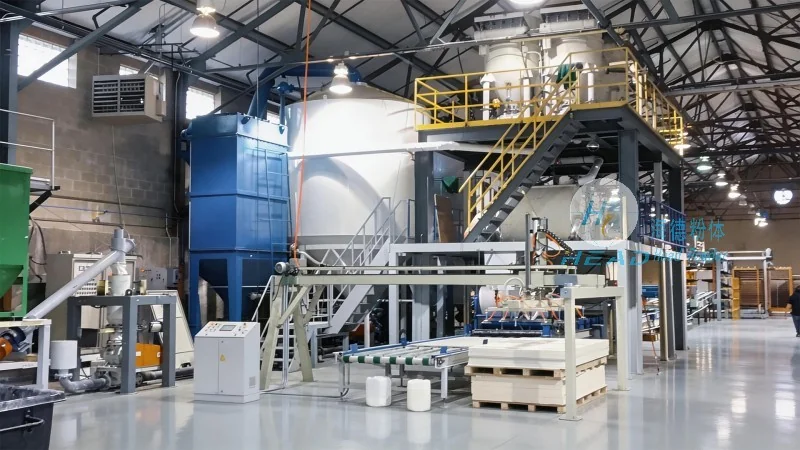
Overview of Silica Gas-Pneumatic Conveying Systems
Silica gas-pneumatic conveying lines are designed to transport dry silica powder using compressed air as the driving force. These systems are particularly suitable for applications where traditional mechanical conveyors may cause material degradation or contamination. The core of the system includes a hopper for material storage, a blower or compressor to generate the air flow, a pipeline network to guide the material, and a receiver or discharge unit to collect the conveyed silica. The entire system operates under a controlled pressure and airflow environment, ensuring consistent and reliable transport of silica.
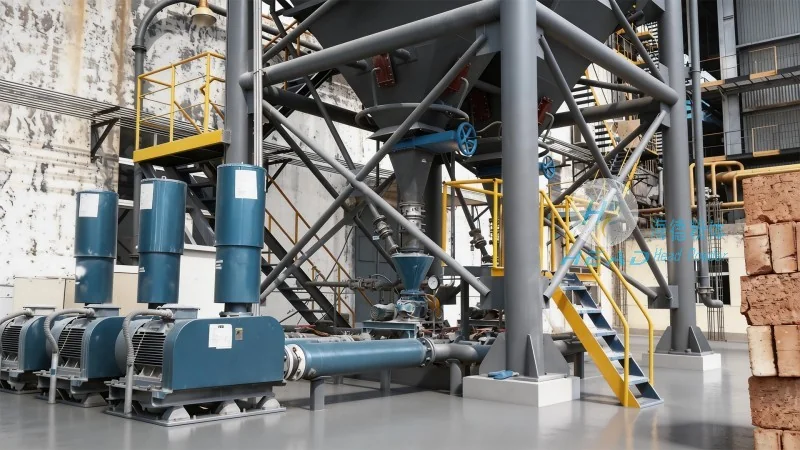
Key Components and Their Functions in Silica Conveying Lines
Several critical components work together to ensure the smooth operation of silica gas-pneumatic conveying lines. The material hopper, typically made of stainless steel or other corrosion-resistant materials, stores the silica powder and provides a sealed environment to prevent contamination. The air supply unit, which can be a rotary lobe blower or a centrifugal fan, generates the necessary pressure and airflow to move the powder through the pipeline. The pipeline system, often constructed from PVC, stainless steel, or other suitable materials, is designed to withstand the pressure and prevent leakage. The silencer is included to reduce noise levels, while the filter or cyclone separator removes any silica particles from the exhaust air, ensuring environmental compliance and system cleanliness. The discharge unit, such as a rotary valve or a venturi system, controls the release of the conveyed silica into the next processing stage.