

Operation Process and Working Principle of Cotton Fiber Pneumatic Conveying Systems
HeadPowder, a leading engineering company based in Shandong, China, specializes in the design, manufacturing, and installation of advanced pneumatic conveying systems for cotton fiber processing. This article provides a detailed overview of the operation process and working principles of such systems, highlighting the technical aspects and practical applications that ensure efficient material handling in textile industries.
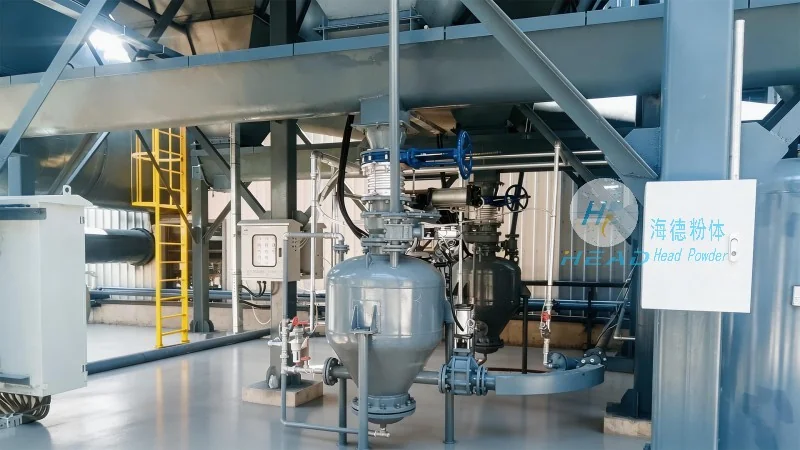
Introduction to Cotton Fiber Pneumatic Conveying Systems
Cotton fiber pneumatic conveying systems are essential equipment in modern textile production, enabling the safe and efficient transport of raw cotton fibers from storage to processing units. These systems utilize air pressure or vacuum to move bulk materials, eliminating the need for mechanical components like belts or buckets that may cause contamination or damage to delicate fibers. The systems are designed to maintain fiber quality, minimize dust generation, and ensure consistent flow rates, making them ideal for applications in spinning, weaving, and other downstream textile processes.
Key Components of the Pneumatic Conveying System
The operation of a cotton fiber pneumatic conveying system relies on several critical components that work in tandem to achieve reliable material transport. These components include the hopper or storage bin, which holds the raw cotton; the air compressor or vacuum pump that generates the necessary air pressure or vacuum; the conveying pipeline, typically made of stainless steel or other corrosion-resistant materials to prevent fiber degradation; and the control system that regulates the flow rate and pressure. Additionally, the system may incorporate features such as cyclones for separation, filters to remove dust, and pressure relief valves to ensure safe operation under varying load conditions.
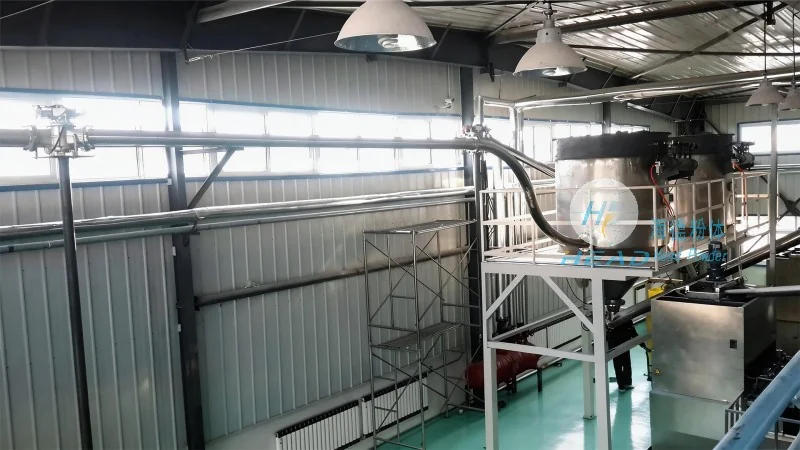
Working Principle of the Pneumatic Conveying Process
The core working principle of a cotton fiber pneumatic conveying system involves the creation of a flow of air through the pipeline, which entrains the cotton fibers and transports them from the source to the destination. In a positive pressure system, an air compressor supplies compressed air into the hopper, causing the cotton to be drawn into the pipeline and moved forward. The air velocity is carefully controlled to ensure that the fibers are carried without excessive turbulence, which could damage the material. In a negative pressure (or vacuum) system, a vacuum pump creates a low-pressure environment that pulls the cotton fibers into the pipeline, moving them toward the processing unit. Both systems rely on the principle of fluid dynamics, where the air flow provides the necessary force to overcome the gravitational and frictional forces acting on the fibers.
Operation Process: From Raw Material to Processing Unit
The operation process of a cotton fiber pneumatic conveying system typically begins with the loading of raw cotton into the storage hopper. The control system then activates the air compressor or vacuum pump, initiating the conveying cycle. As the air flows through the pipeline, it lifts the cotton fibers and transports them to the processing unit, such as a carding machine or a blending system. The system continuously monitors the flow rate and pressure, adjusting the air supply as needed to maintain consistent performance. The conveying process is designed to be gentle on the fibers, minimizing breakage and maintaining the integrity of the material. Once the cotton reaches the processing unit, it is discharged and prepared for the next stage of textile production. The entire operation is automated, with the control system ensuring that the system runs efficiently and safely, reducing downtime and operational costs.
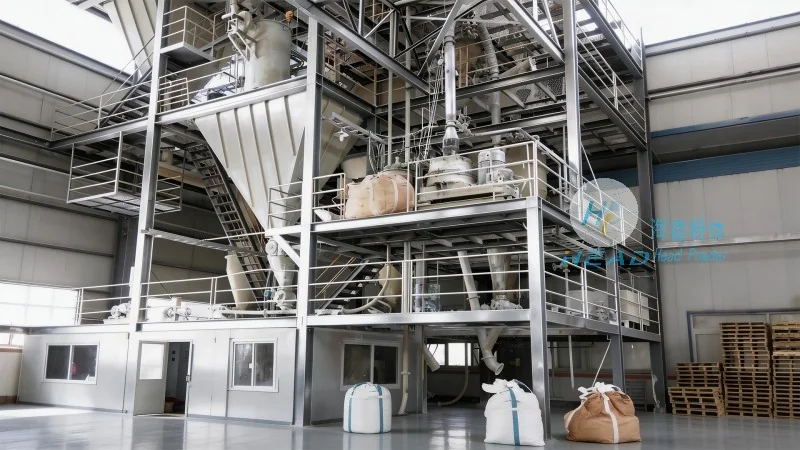
Advantages of Cotton Fiber Pneumatic Conveying Systems
Implementing a pneumatic conveying system for cotton fiber handling offers several advantages over traditional mechanical systems. First, it eliminates the risk of contamination from mechanical components, which is critical for maintaining the quality of raw cotton. Second, the system is highly efficient, with minimal energy consumption compared to other transport methods. Third, it provides a clean and dust-free environment, reducing the risk of respiratory issues for workers and improving overall workplace safety. Additionally, the system is flexible, allowing for easy integration with existing production lines and the ability to handle varying fiber types and quantities. These advantages make pneumatic conveying systems a preferred choice for modern textile manufacturers seeking to enhance productivity and maintain product quality.
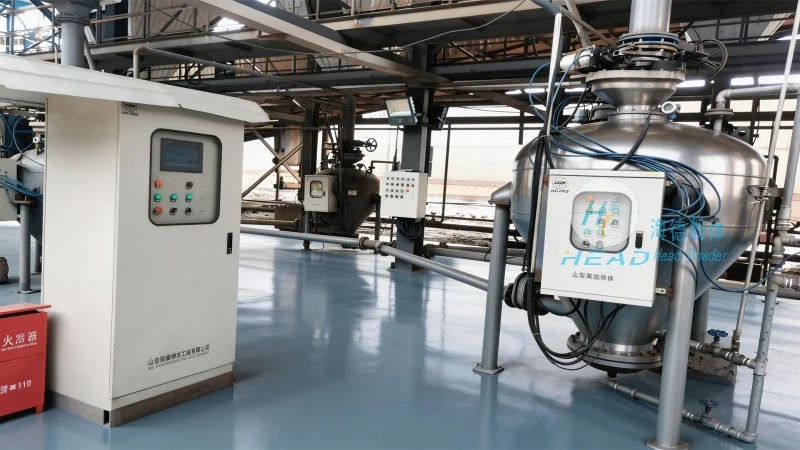
Maintenance and Safety Considerations
To ensure the long-term reliability and safety of a cotton fiber pneumatic conveying system, regular maintenance and adherence to safety protocols are essential. The system components, such as the air compressor, pipeline, and control valves, require periodic inspection and cleaning to prevent blockages or wear. Filters and cyclones should be checked and replaced as needed to maintain air quality and prevent dust accumulation. Pressure relief valves must be tested regularly to ensure they function correctly under emergency conditions. Safety measures include installing interlocks to prevent operation when the system is not properly loaded or when maintenance is in progress. Additionally, workers should be trained on the proper use of the system and the handling of raw cotton to minimize the risk of injury or material damage. By following these maintenance and safety guidelines, manufacturers can maximize the lifespan of their equipment and ensure a safe working environment.
Conclusion
Cotton fiber pneumatic conveying systems are a vital component of modern textile production, offering efficient, clean, and safe material handling solutions. The operation process, which involves the coordinated action of key components and the application of fluid dynamics principles, ensures that raw cotton is transported with minimal damage and maximum quality. With proper maintenance and adherence to safety standards, these systems provide reliable performance and contribute to the overall productivity of textile manufacturing facilities. HeadPowder, with its expertise in engineering and manufacturing, continues to provide advanced solutions for cotton fiber handling, helping textile companies optimize their operations and meet the demands of the industry.