

Operation Process and Working Principle of Grain Bulk Pneumatic Conveying Systems
Grain bulk pneumatic conveying systems are critical components in modern agricultural and food processing industries, enabling efficient and safe transportation of bulk materials like grains, seeds, and powders. These systems utilize air as the primary medium to move materials from one location to another, offering advantages such as reduced contamination, minimal product degradation, and the ability to handle materials in enclosed environments. Understanding the operation process and working principles of such systems is essential for optimizing performance and ensuring reliable operation in various industrial applications.
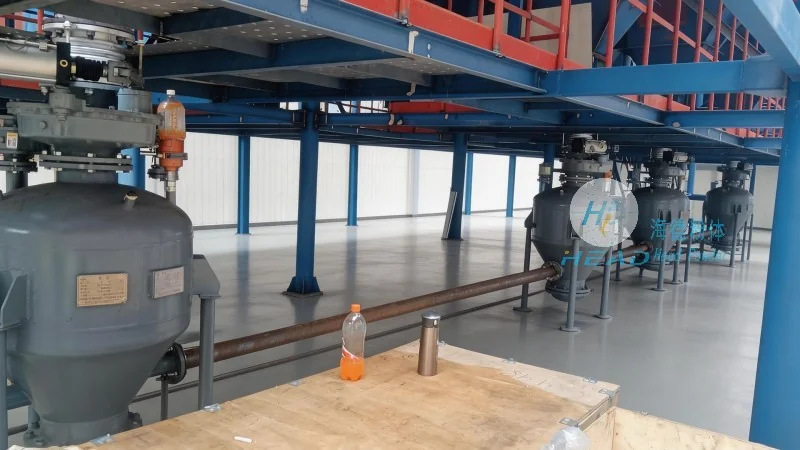
Overview of Grain Bulk Pneumatic Conveying Systems
Grain bulk pneumatic conveying systems are designed to transport granular materials through a network of pipes using air pressure or vacuum. The system typically consists of a hopper for material storage, a conveyor line with air nozzles or Venturi tubes, and a receiver for the discharged material. The choice of conveying method—positive pressure, negative pressure, or a combination—depends on factors like material characteristics, distance, and system layout. Positive pressure systems use compressed air to push material through the pipeline, while negative pressure systems create a vacuum to draw material in. A well-designed system balances air flow, material flow, and energy consumption to achieve efficient operation.
Key Components and Their Functions
The core components of a grain bulk pneumatic conveying system include the hopper, feeder, air compressor (for positive pressure systems), Venturi or air nozzle, pipeline network, and receiver. The hopper stores the bulk material and provides a consistent feed to the system. The feeder regulates the flow rate of material into the conveyor line, preventing blockages and ensuring smooth operation. In positive pressure systems, the air compressor generates high-pressure air that is mixed with the material in the Venturi or nozzle, creating a high-velocity air-stream that propels the material forward. The pipeline network transports the material-air mixture to the receiver, where the material is separated from the air and collected. The receiver may include a cyclone separator or other filtration equipment to clean the air before it is discharged back into the environment.
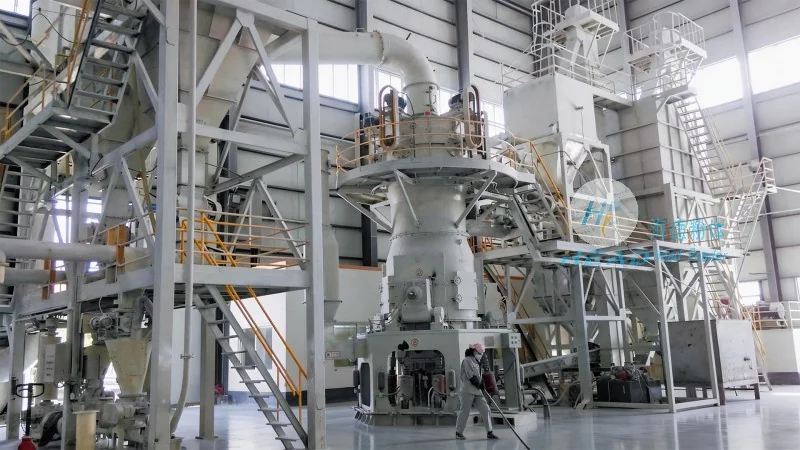
Operation Process of Grain Bulk Pneumatic Conveying
The operation process of a grain bulk pneumatic conveying system involves several sequential steps. First, the bulk material is loaded into the hopper. The feeder then controls the discharge rate, ensuring a steady flow of material into the conveyor line. Simultaneously, the air compressor (in positive pressure systems) or vacuum pump (in negative pressure systems) generates the necessary air pressure or vacuum. The material is then introduced into the air-stream at the Venturi or nozzle, where it is entrained by the high-velocity air and carried through the pipeline. The material-air mixture travels to the receiver, where the cyclone separator or other separation equipment separates the material from the air. The separated material is collected in the receiver, while the air is filtered and discharged. This process repeats continuously, allowing for continuous or batch operation depending on the system design.
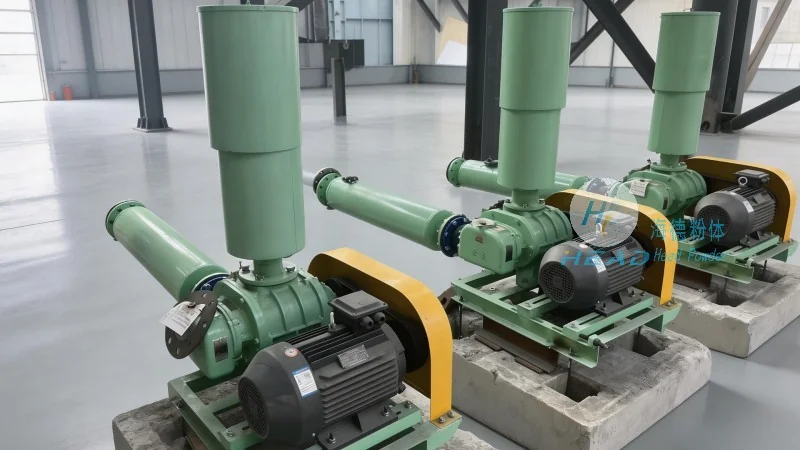
Working Principle of Pneumatic Conveying
The working principle of grain bulk pneumatic conveying is based on the physics of fluid dynamics and particle motion. In positive pressure systems, compressed air is introduced into the Venturi or nozzle, creating a high-velocity air-stream. As the material enters the nozzle, it is entrained by the air due to the pressure difference and the high velocity of the air. The air-stream carries the material particles forward through the pipeline. The velocity of the air and the size of the particles determine the conveying capacity and efficiency of the system. In negative pressure systems, a vacuum is created at the receiver end, drawing material from the hopper through the pipeline. The material is then mixed with the air as it travels back to the receiver, where it is separated and collected. The efficiency of the system depends on maintaining a consistent air flow rate, proper particle size distribution, and adequate pipeline design to prevent blockages or pressure losses.
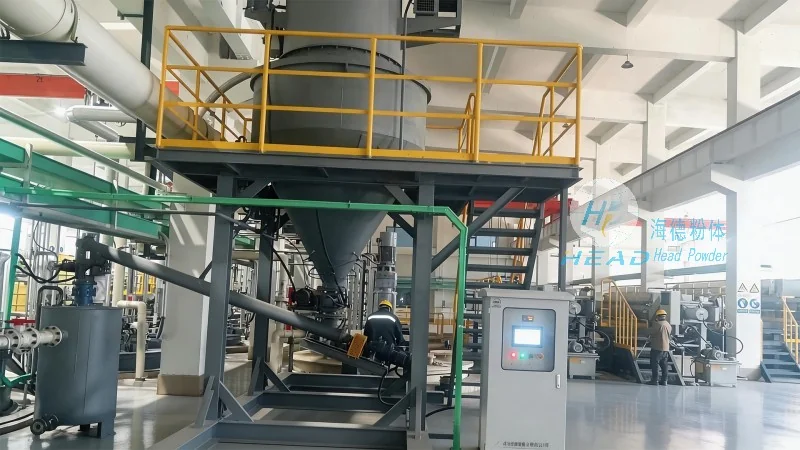
Applications and Benefits in Grain Handling
Grain bulk pneumatic conveying systems are widely used in various applications within the grain and food processing industry. These include transporting grains from storage silos to processing facilities, moving seeds from storage to planting equipment, and conveying powders in food manufacturing processes. The benefits of using pneumatic conveying systems in grain handling include reduced product contamination, minimal degradation of sensitive materials, and the ability to operate in enclosed environments, which helps maintain hygiene standards. Additionally, these systems offer flexibility in system layout, allowing for horizontal, vertical, or mixed-direction conveying as needed. The efficiency and reliability of pneumatic conveying systems make them a preferred choice for industries that require consistent and high-volume material transport.
About Shandong HeadPowder Engineering Co., Ltd.
Shandong HeadPowder Engineering Co., Ltd., commonly known as HeadPowder, is a leading manufacturer and supplier of grain bulk pneumatic conveying systems. With a focus on innovation and quality, HeadPowder designs and manufactures customized conveying solutions tailored to the specific needs of its clients. The company's products are known for their durability, efficiency, and compliance with industry standards. HeadPowder's engineering team leverages advanced technology and extensive experience to develop systems that optimize material handling processes, reduce operational costs, and enhance overall productivity. Based in Shandong, China, HeadPowder serves clients globally, providing reliable and effective solutions for their grain and bulk material conveying requirements.