

Operation Process and Working Principle of Pulse Pneumatic Conveying Systems
HeadPowder, a leading provider of industrial conveying solutions, specializes in pulse pneumatic conveying systems. These systems are designed to efficiently transport bulk materials over long distances with minimal maintenance and operational costs. The following sections will detail the operation process and working principles of such systems, highlighting their key components and benefits.
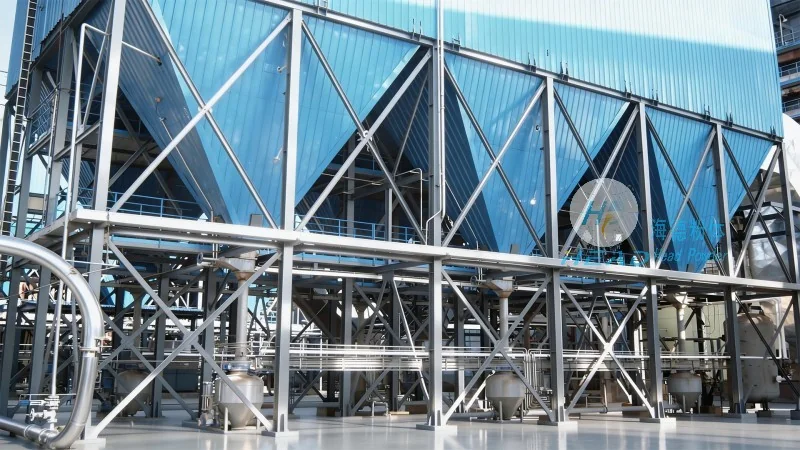
Key Components of a Pulse Pneumatic Conveying System
A typical pulse pneumatic conveying system consists of several critical components that work in tandem to ensure smooth material transport. These include a hopper for material storage, a pulse generator to create the conveying air pressure, a pipeline network to transport the material, and a receiver for the discharged material. Each component plays a vital role in the overall system performance.
The hopper is the initial storage unit where bulk materials are loaded. It is designed with a sloped bottom to facilitate material flow into the conveying line. The pulse generator, often a solenoid valve, produces short bursts of compressed air that create the necessary pressure waves to move the material through the pipeline. The pipeline itself is typically made of durable materials like stainless steel or PVC to withstand the abrasive nature of the conveyed materials and the high-pressure air pulses.
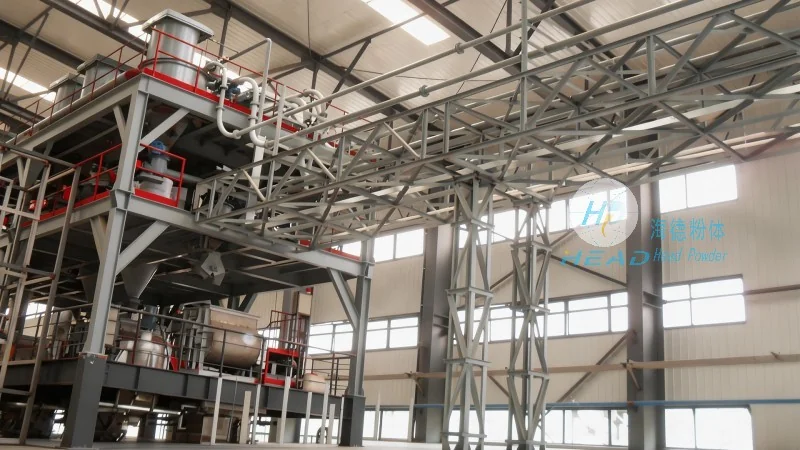
Operation Process of the System
The operation process of a pulse pneumatic conveying system begins with material loading into the hopper. Once the hopper is filled, the pulse generator activates, delivering short, high-pressure air pulses into the pipeline. These pulses create a series of pressure waves that push the material forward, similar to how a wave moves along a beach. The material is carried by the air stream, and the pipeline's design ensures that the material remains suspended and moves efficiently to the receiver. The receiver then collects the material, completing the transport cycle.
During operation, the system maintains a consistent pressure and flow rate to ensure reliable material transport. The pulse frequency and duration can be adjusted based on the material characteristics and pipeline length to optimize performance. This flexibility allows the system to handle a wide range of materials, from fine powders to bulk solids, with minimal adjustments.
Working Principle of Pulse Pneumatic Conveying
The working principle of a pulse pneumatic conveying system is based on the creation of pressure waves using compressed air. When the pulse generator releases a short burst of air, it creates a high-pressure zone that pushes the material forward. The subsequent relaxation of pressure allows the material to settle slightly before the next pulse occurs, creating a continuous movement of material along the pipeline. This cyclic pressure variation ensures that the material is continuously propelled through the system.
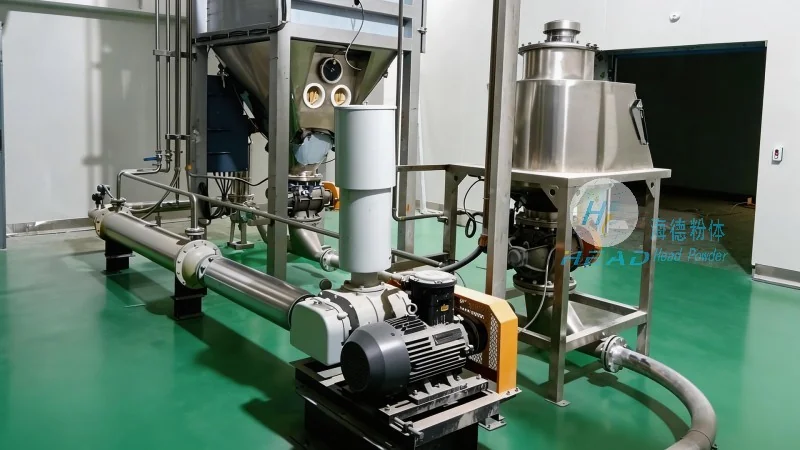
The system relies on the principle of fluidization, where the material is suspended in the air stream and transported as a slurry. The air velocity within the pipeline is maintained above the minimum fluidization velocity of the material, ensuring that the particles remain in suspension and do not settle out. This design minimizes blockages and ensures efficient transport, even for materials with high moisture content or abrasive properties.
About HeadPowder Engineering
HeadPowder Engineering, with its headquarters in Shandong, China, is a reputable manufacturer specializing in the design, manufacturing, and installation of industrial conveying systems. The company's expertise lies in developing customized pulse pneumatic conveying solutions tailored to the specific needs of various industries, including food, pharmaceuticals, chemicals, and minerals. With a focus on quality and reliability, HeadPowder provides comprehensive services from system design to after-sales support, ensuring customer satisfaction and operational efficiency.