

Principles and Working Scene Characteristics of Carbon Black Material Pneumatic Conveying
Carbon black, a vital industrial material used extensively in rubber, plastics, and pigments, demands efficient material handling solutions for its transportation. Pneumatic conveying has become a preferred method for carbon black due to its ability to handle fine powders while minimizing dust and contamination. This article examines the core principles of carbon black material pneumatic conveying and highlights the key characteristics of its operational environments, offering insights into practical applications and operational considerations in industrial settings.
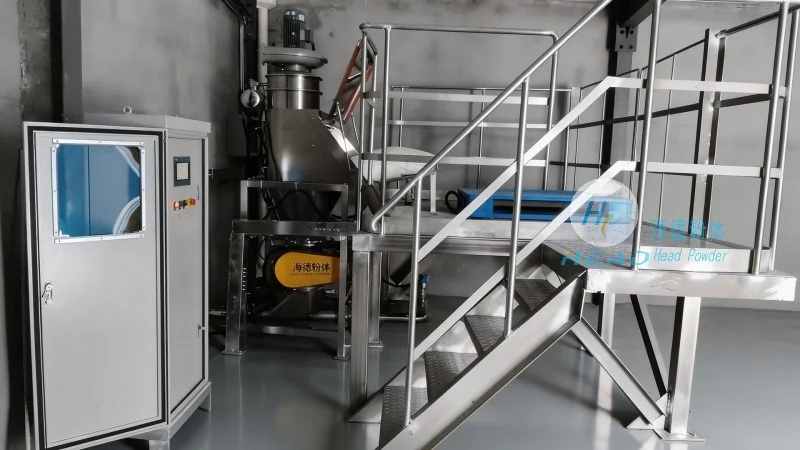
Carbon Black Material Properties and Their Influence on Pneumatic Conveying
Carbon black is defined by its fine particle size, typically ranging from 10 to 500 nanometers, and high specific surface area. These properties make it susceptible to agglomeration and reactivity, which directly impact pneumatic conveying system performance. The material's density, approximately 1.8 to 2.1 g/cm³, and tendency to generate static electricity also play critical roles in system design. For instance, the fine particle size necessitates high air velocities to prevent clogging, while static charge can cause material buildup on system components, requiring anti-static measures. These material characteristics dictate the choice of conveying system type—such as positive pressure, negative pressure, or hybrid systems—and the selection of equipment like cyclones, filters, and ducting.
Core Principles of Carbon Black Pneumatic Conveying Systems
Pneumatic conveying systems operate by transporting solid particles through a pipeline using a gas stream, usually air. The fundamental principle involves creating a pressure differential between the inlet and outlet of the conveying line to move the material. Two primary system types exist: positive pressure and negative pressure. Positive pressure systems employ a blower or compressor to generate high-pressure air that pushes the material through the pipeline, while negative pressure systems use a vacuum pump to create a low-pressure environment that draws the material into the system. For carbon black, positive pressure systems are often favored due to their capacity to handle high material loads and prevent material degradation from exposure to ambient air. The system typically includes a material hopper, a feeder (e.g., rotary valve or screw feeder), a conveying line, and a receiver (such as a cyclone or bag filter) to separate the material from the air stream. The air velocity in the pipeline must exceed the minimum fluidization velocity of the carbon black particles to ensure smooth transport, with system design accounting for pressure drops and potential blockages caused by the material.
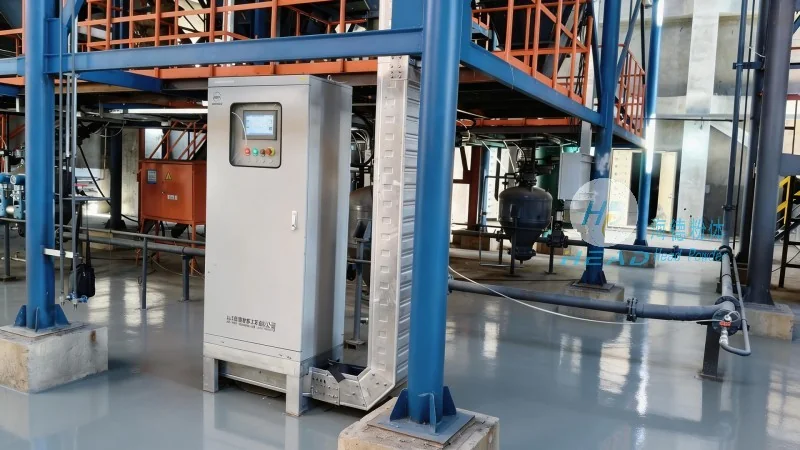
Key Characteristics of Carbon Black Pneumatic Conveying Working Scenes
The operational environments of carbon black pneumatic conveying vary based on application, scale, and environment. In industrial manufacturing plants, the system is often integrated into production lines to transport carbon black from storage silos to processing equipment like mixers or extruders. Key characteristics in these scenarios include high material throughput, continuous operation, and precise flow rate control. For example, in a tire manufacturing plant, the system must handle large volumes of carbon black to meet production demands, requiring robust equipment capable of sustaining high air pressures and material loads. Another common working scene involves transferring carbon black between processing stages within a facility, such as from raw material storage to a blending unit. Here, the system must be flexible to accommodate varying material quantities and flow rates. Additionally, the working scene may involve transporting carbon black to off-site locations, like a distribution center or customer facility, where consistent material quality and minimized dust emissions during transport are critical. Environmental conditions, including temperature and humidity, also influence the working scene, as they affect material properties and system performance. For instance, in hot climates, the system may require cooling measures to prevent material degradation or equipment overheating.
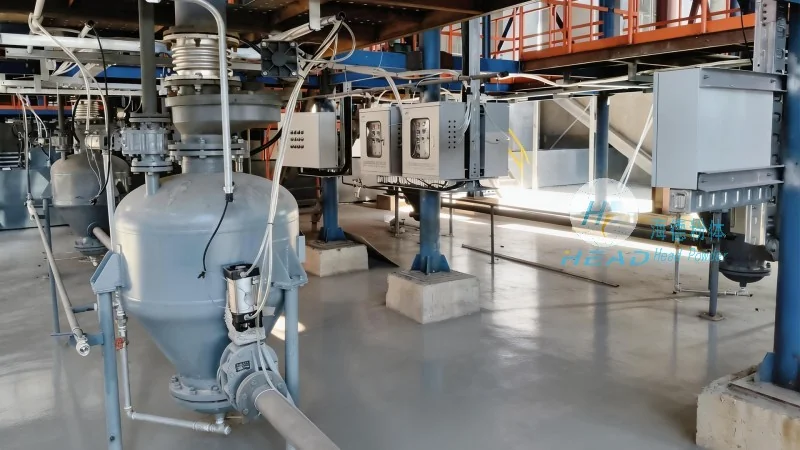
Operational Considerations and Best Practices
Effective operation of carbon black pneumatic conveying systems requires careful consideration of several factors to ensure optimal performance and longevity. First, the system must be tailored to handle carbon black's specific properties, including fine particle size and agglomeration tendencies. This may involve specialized equipment like high-capacity feeders and anti-static devices to prevent buildup and ensure smooth flow. Second, regular maintenance is essential to prevent failures and maintain efficiency, including cleaning the conveying line and filters, checking component wear, and monitoring air pressure and material flow rates. Third, safety features like pressure relief valves and dust suppression systems are critical to prevent accidents. Fourth, appropriate air filtration and dust collection systems are necessary to comply with environmental regulations and maintain a safe environment. Finally, the system should be designed for easy integration with existing production lines and scalable for future growth. These considerations ensure reliable and efficient operation, meeting industrial demands.
About Shandong HeadPowder Engineering Co., Ltd.
Shandong HeadPowder Engineering Co., Ltd., branded as HeadPowder, is a leading provider of specialized engineering solutions for material handling and processing in the carbon black industry. Focused on innovation and customer-centric design, HeadPowder offers pneumatic conveying systems tailored to carbon black material transport needs. The company’s expertise lies in addressing the challenges of handling fine powders like carbon black, developing solutions that enhance efficiency, reduce downtime, and improve product quality. HeadPowder’s systems meet high performance and reliability standards, ensuring optimal results for industrial operations. Based in Shandong, China, HeadPowder leverages local expertise and manufacturing capabilities to deliver high-quality products and services globally. The company’s commitment to quality and customer satisfaction has established it as a trusted partner in the carbon black industry, providing reliable solutions for material handling and processing needs.