

Principle and Working Scene Characteristics of P.E. Granular Material Pneumatic Conveying
Pneumatic conveying is a critical process in material handling, particularly for handling P.E. (polyethylene) granules. This method involves transporting bulk materials through a pipeline using air or other gases. The technology is widely adopted in industries such as plastics manufacturing, chemical processing, and food processing due to its efficiency and flexibility. Understanding the principles and working characteristics of pneumatic conveying for P.E. granular materials is essential for optimizing material flow and system performance.
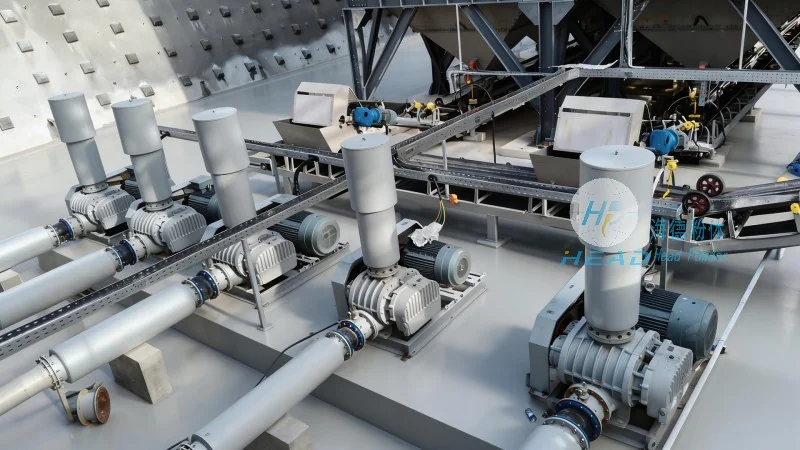
HeadPowder Engineering: Expertise in Pneumatic Conveying Solutions
Shandong HeadPowder Engineering Co., Ltd. is a leading provider of specialized engineering solutions for material handling systems. With a focus on pneumatic conveying technologies, the company has extensive experience in designing, manufacturing, and implementing systems tailored to the unique requirements of P.E. granular materials. HeadPowder Engineering's expertise ensures that clients receive reliable and efficient solutions that meet industry standards and operational needs.
The Fundamental Principles of Pneumatic Conveying for P.E. Granules
The core principle of pneumatic conveying for P.E. granular materials is the use of air pressure to move particles through a pipeline. There are two main types of pneumatic conveying systems: pressure and vacuum. Pressure systems use compressed air to push the material forward, while vacuum systems use suction to draw the material into the pipeline. For P.E. granules, which are typically lightweight and abrasive, the choice of system depends on factors such as material flow rate, distance, and system layout. The system design must consider the particle size, density, and flow characteristics of the P.E. granules to ensure smooth and continuous transport.
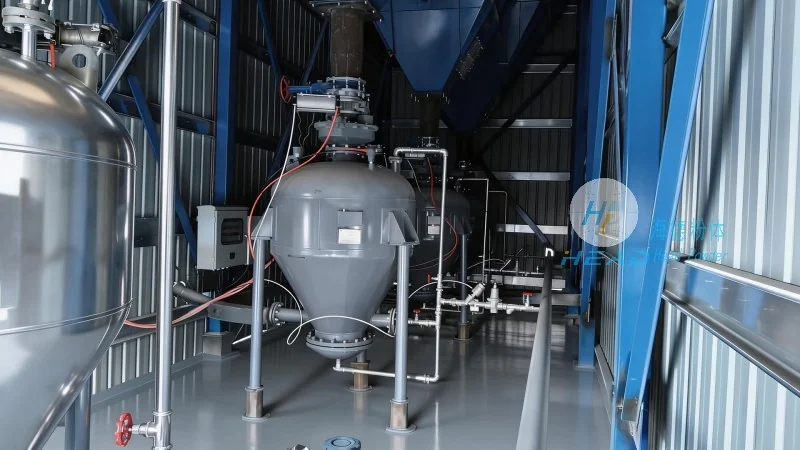
Key Working Scene Characteristics of P.E. Granular Material Pneumatic Conveying
When implementing pneumatic conveying for P.E. granules, several key characteristics of the working scenes must be considered. First, the system must be designed to handle the specific properties of P.E. granules, including their low density and potential for static charge accumulation. Static charge can affect material flow and cause dust issues, so anti-static measures are often integrated into the system design. Second, the working environment, such as temperature and humidity, can impact the performance of the pneumatic conveying system. P.E. granules are sensitive to temperature changes, which may affect their flowability and handling characteristics. Third, the system must be able to handle varying flow rates and material loads, ensuring consistent performance under different operational conditions. Additionally, the working scene may require integration with other processing equipment, such as extruders or mixers, which necessitates seamless material transfer and compatibility with downstream processes.
Advantages and Applications in Industrial Settings
Pneumatic conveying for P.E. granular materials offers several advantages over traditional mechanical conveying methods. These include reduced equipment wear and tear, as there are no moving parts in direct contact with the material. This results in lower maintenance costs and longer system life. Additionally, pneumatic conveying systems can handle a wide range of particle sizes and shapes, making them suitable for various P.E. granule applications. The technology is also flexible in terms of system layout, allowing for horizontal, vertical, or mixed configurations to accommodate different plant layouts and operational requirements. In industrial settings, such as plastic manufacturing plants, pneumatic conveying is commonly used for transporting P.E. granules from storage silos to processing equipment, ensuring a continuous and efficient production flow.
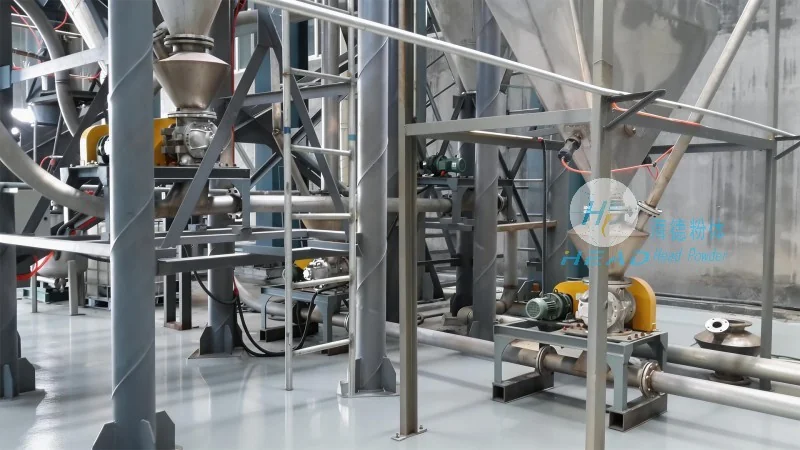
System Design Considerations for Optimal Performance
Effective pneumatic conveying of P.E. granules requires careful system design that addresses both the material properties and the operational environment. Key design considerations include the selection of appropriate air velocity to prevent particle deposition and ensure smooth flow. The pipeline diameter and length must be optimized to maintain the desired pressure drop and material velocity. Additionally, the inclusion of features such as in-line mixers, cyclone separators, and material feeders enhances system performance and reliability. For P.E. granules, which may have varying moisture content or particle size distribution, the system must be equipped with controls to adjust air flow and pressure dynamically. This ensures consistent material handling and prevents system blockages or inefficiencies.
Integration with Processing Equipment and Safety Measures
In industrial applications, pneumatic conveying systems for P.E. granules are often integrated with downstream processing equipment like extruders, injection molding machines, or mixing units. The design of the system must ensure seamless material transfer, minimizing downtime and maintaining product quality. For example, the discharge section of the conveying system may be connected directly to the hopper of a processing machine, allowing for continuous material feeding. Safety measures are also critical in pneumatic conveying systems, particularly when handling P.E. granules that may generate dust or static electricity. Proper ventilation, dust collection systems, and grounding mechanisms are essential to prevent fire hazards and ensure operator safety. Shandong HeadPowder Engineering Co., Ltd. incorporates these safety features into their designs, providing clients with reliable and safe pneumatic conveying solutions.
Case Studies and Real-World Applications
HeadPowder Engineering has successfully implemented pneumatic conveying systems for P.E. granular materials in various industrial settings. For instance, a plastic manufacturing plant in China utilized a pressure pneumatic conveying system to transport P.E. granules from storage silos to an extrusion line. The system was designed to handle 10 tons per hour of material over a distance of 50 meters, with a pressure drop of 0.5 bar. The implementation resulted in a 20% reduction in material handling time and a 15% decrease in maintenance costs compared to traditional mechanical conveying methods. Another application involved a chemical processing facility where a vacuum pneumatic conveying system was used to transport P.E. granules from a mixing tank to a drying unit. The system was equipped with anti-static and dust collection features, ensuring safe and efficient operation. These case studies demonstrate the effectiveness of pneumatic conveying for P.E. granular materials and the expertise of HeadPowder Engineering in delivering tailored solutions.
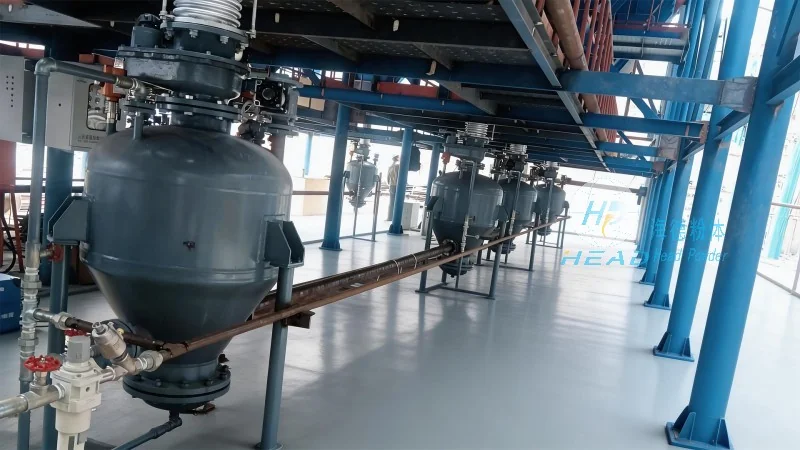
Future Trends and Technological Advancements
As the demand for efficient material handling solutions grows, technological advancements in pneumatic conveying systems continue to evolve. Modern systems often incorporate automation and control technologies to optimize performance and reduce operational costs. For example, intelligent sensors can monitor material flow rates and air pressure in real-time, allowing for automatic adjustments to maintain optimal conditions. Additionally, the integration of digital twins and predictive maintenance technologies enables proactive system maintenance, reducing downtime and extending equipment life. In the context of P.E. granular materials, future trends may include the development of more energy-efficient systems and the use of advanced materials in pipeline construction to handle abrasive particles. Shandong HeadPowder Engineering Co., Ltd. is committed to staying at the forefront of these technological advancements, providing clients with cutting-edge pneumatic conveying solutions that meet the evolving needs of the industry.
Conclusion: The Importance of Specialized Pneumatic Conveying Solutions
Pneumatic conveying is a vital technology for handling P.E. granular materials in various industrial applications. The principles and working characteristics of these systems are critical to ensuring efficient and reliable material transport. With the expertise of companies like Shandong HeadPowder Engineering Co., Ltd., industries can benefit from tailored pneumatic conveying solutions that address their specific needs. By understanding the fundamental principles and key working scene characteristics, businesses can optimize their material handling processes, reduce costs, and improve overall operational efficiency. As technology continues to advance, the role of pneumatic conveying in material handling will only become more significant, making it essential for companies to invest in reliable and efficient systems.