

Principle and Operational Characteristics of a Zinc Roast Sand Powder Pneumatic Conveying System
For industrial applications involving zinc roast sand, efficient and reliable material handling is crucial. The pneumatic conveying system designed by Shandong HeadPowder Engineering Co., Ltd. offers a robust solution that addresses the unique challenges of transporting fine powders like zinc roast sand. This article explores the fundamental principles behind such systems and highlights the operational characteristics that make them suitable for various industrial settings.
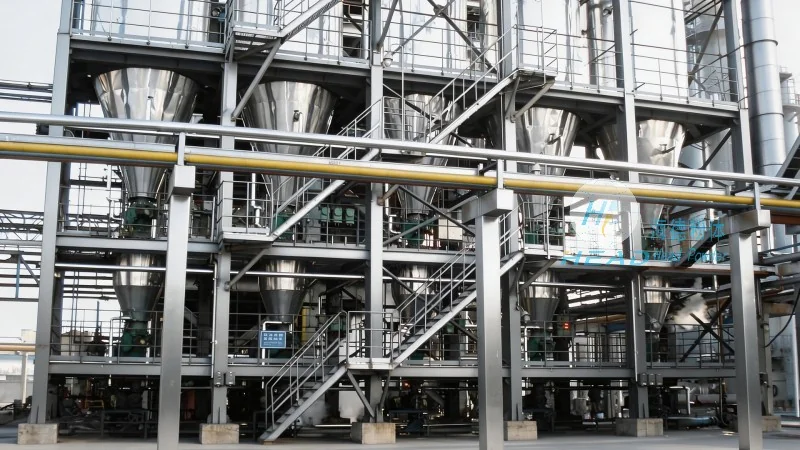
System Overview and Core Components
The zinc roast sand powder pneumatic conveying system is engineered to transport bulk materials through a pressurized or vacuum environment using air or other gases. Key components typically include a material feed hopper, a conveyor pipeline, a pressure or vacuum source (such as a blower or vacuum pump), and a discharge mechanism. The system's design ensures minimal material degradation while maintaining high efficiency in material transfer.
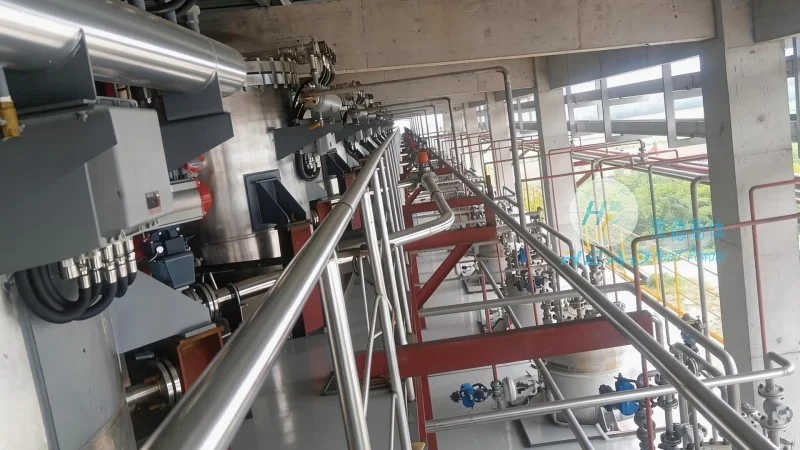
Principle of Operation
The core principle of pneumatic conveying is the use of air flow to move particulate materials. In a pressurized system, air is forced through the pipeline, creating a positive pressure that propels the material. Conversely, a vacuum system draws air and material through the pipeline using a vacuum pump. For zinc roast sand, which is a fine powder, the system must be optimized to prevent clogging and ensure consistent flow. The design incorporates features like air-liquid separation and material recovery systems to enhance operational efficiency and reduce waste.
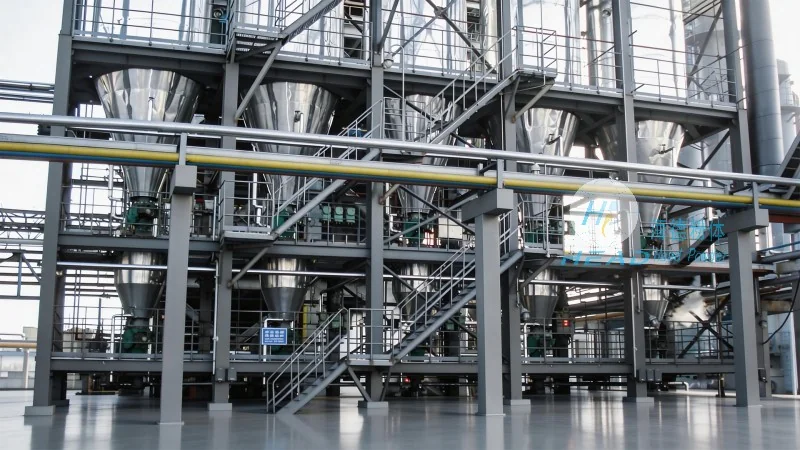
Operational Characteristics and Application Scenarios
The operational characteristics of the zinc roast sand pneumatic conveying system are tailored to meet the demands of diverse industrial environments. These systems are particularly effective in applications where traditional mechanical conveying methods are impractical due to the nature of the material. For instance, in zinc smelting and refining plants, the system efficiently transports zinc roast sand from storage silos to processing units, ensuring a continuous and controlled material flow. The system's ability to handle fine powders without segregation or loss makes it ideal for processes that require precise material control, such as in the production of zinc oxide or other zinc-based compounds.
Advantages in Industrial Workflows
Implementing a pneumatic conveying system for zinc roast sand offers several advantages over conventional methods. These include reduced labor costs, minimized material handling errors, and improved safety by eliminating the need for manual handling of fine powders. The system also contributes to better environmental control by containing dust and preventing airborne contamination. Additionally, the modular design of the system allows for easy integration into existing industrial setups, making it a flexible solution for various production scales.
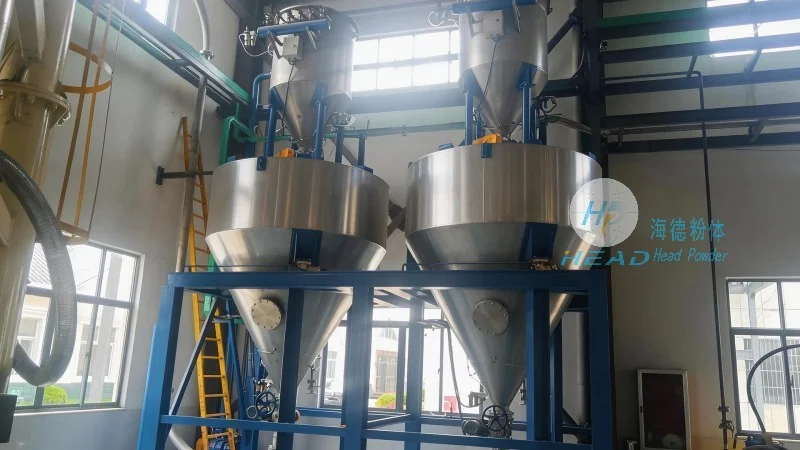
Company Profile and Expertise
Shandong HeadPowder Engineering Co., Ltd., a leading provider of material handling solutions, specializes in designing and manufacturing pneumatic conveying systems tailored to the needs of the chemical and metallurgical industries. With a focus on innovation and customer-centric solutions, the company has developed expertise in handling challenging materials like zinc roast sand. Based in Shandong, China, HeadPowder leverages advanced engineering techniques and rigorous quality control to deliver systems that meet international standards and enhance operational efficiency for its clients.