

Principles and Operational Characteristics of Cereal Powder Pneumatic Conveying Systems
Cereal powder pneumatic conveying systems represent a sophisticated method for transporting bulk powders, particularly in agricultural and food processing industries. These systems utilize air as the primary medium to move materials like grains, flour, and other fine powders from one location to another. The technology has evolved significantly, offering efficient, dust-free, and hygienic solutions that are essential for modern processing facilities. By understanding the underlying principles and typical operational scenarios, stakeholders can make informed decisions about implementing such systems in their operations.
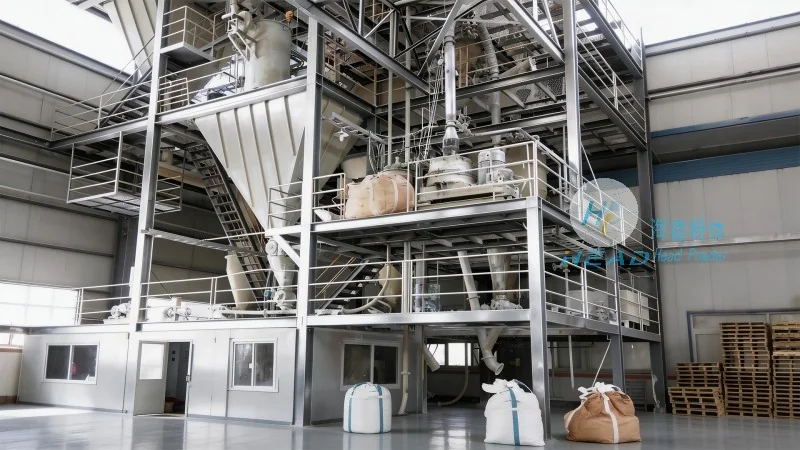
The Core Principles of Pneumatic Conveying
The fundamental principle of pneumatic conveying is the use of compressed air to generate a flow that propels the powder particles. This process can be categorized into two main types: dilute-phase and dense-phase conveying. Dilute-phase systems operate at higher air velocities, typically moving particles in a dispersed state, while dense-phase systems use lower velocities to create a more concentrated flow, often with the aid of a venturi or other pressure control mechanisms. The choice between these types depends on factors such as the material's properties, the distance to be conveyed, and the required flow rate. For cereal powders, dilute-phase systems are commonly preferred due to their ability to handle fine particles and maintain a consistent flow rate, minimizing the risk of blockages and ensuring efficient transport.
Key Components and Their Functions
A typical cereal powder pneumatic conveying system comprises several critical components, each playing a vital role in the overall operation. The main components include a material hopper or feeder, a compressor or blower to generate the air flow, a pipeline network to transport the material, and a receiver or discharge unit. The material hopper ensures a consistent feed of the powder, preventing clogging and maintaining a steady flow. The compressor or blower provides the necessary pressure and air volume to move the particles through the pipeline. The pipeline network, often made of stainless steel or other corrosion-resistant materials, is designed to withstand the pressure and ensure minimal friction loss. The receiver or discharge unit collects the conveyed material and may include features like a dust collection system to maintain air quality and prevent contamination. Each component must be carefully selected and maintained to ensure optimal performance and longevity of the system.
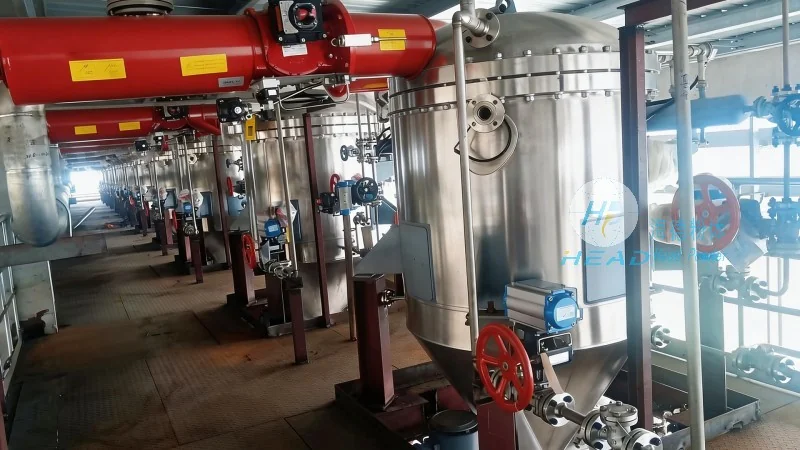
Operational Characteristics in Different Scenarios
The operational characteristics of cereal powder pneumatic conveying systems vary significantly based on the specific application and environment. For example, in large-scale grain processing facilities, these systems are often used to transport raw grains from storage silos to processing lines, such as milling or grinding operations. The systems must be capable of handling high volumes of material while maintaining low pressure differentials to minimize energy consumption. In contrast, in smaller-scale food processing plants, the focus may be on transporting fine flour or other powdered ingredients to packaging lines, where precision and cleanliness are paramount. The operational characteristics also depend on the material's moisture content and particle size distribution. Fine powders, such as wheat flour, require systems with higher air velocities and more efficient filtration to prevent dust accumulation and ensure product quality. Additionally, the system's design must consider the need for dust control and environmental compliance, as many jurisdictions have strict regulations regarding air emissions from powder handling operations.
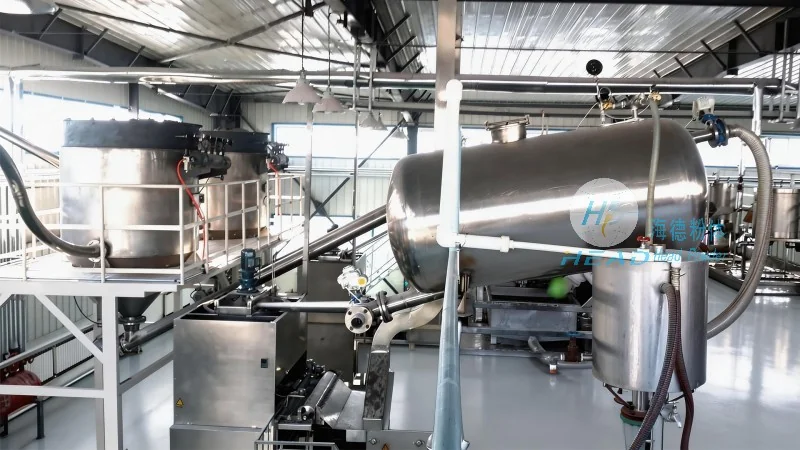
Advantages and Considerations for Implementation
Implementing a cereal powder pneumatic conveying system offers several advantages that make it a preferred choice for many industries. One of the primary benefits is the ability to achieve dust-free and hygienic material handling, which is crucial in food processing applications where contamination must be minimized. The systems also provide flexibility in terms of layout, as the pipeline network can be easily reconfigured to accommodate changes in production processes or facility expansions. Additionally, pneumatic conveying systems are generally more energy-efficient than traditional mechanical conveyors, especially for long-distance or high-volume transport. However, there are also considerations to keep in mind when selecting and operating such systems. For instance, the initial investment cost can be higher compared to other conveying methods, and maintenance requirements may be more complex due to the presence of moving parts and air compression equipment. Furthermore, the system's performance is highly dependent on the properties of the material being conveyed, and improper design or operation can lead to issues such as blockages, pressure surges, or excessive energy consumption. Proper training of operators and regular maintenance schedules are essential to mitigate these risks and ensure the system operates at peak efficiency.
Case Study: Application in a Shandong-Based Facility
Shandong HeadPowder Engineering Co., Ltd., a leading provider of pneumatic conveying solutions, has successfully implemented cereal powder pneumatic conveying systems in various facilities across China. One notable case involves a large-scale wheat milling plant in Shandong Province, where the company designed and installed a dilute-phase system to transport raw wheat from storage silos to the milling equipment. The system was tailored to handle the high volume of material (approximately 100 tons per hour) and the fine particle size of the wheat, ensuring a consistent flow rate and minimal pressure drop. The implementation resulted in significant improvements in production efficiency, as the system reduced the time required for material transport and minimized downtime due to blockages. The plant also reported improved air quality and reduced dust accumulation, which enhanced workplace safety and compliance with environmental regulations. This case study highlights the effectiveness of properly designed and maintained pneumatic conveying systems in optimizing material handling processes and supporting the operational goals of modern processing facilities.