

Principle and Working Scene Characteristics of Tonne Bag Breakage Material Conveying System
HeadPowder, a leading engineering company based in Shandong, China, specializes in advanced material handling solutions. This article explores the principle and operational characteristics of the tonne bag breakage material conveying system, a critical component in modern bulk material processing.
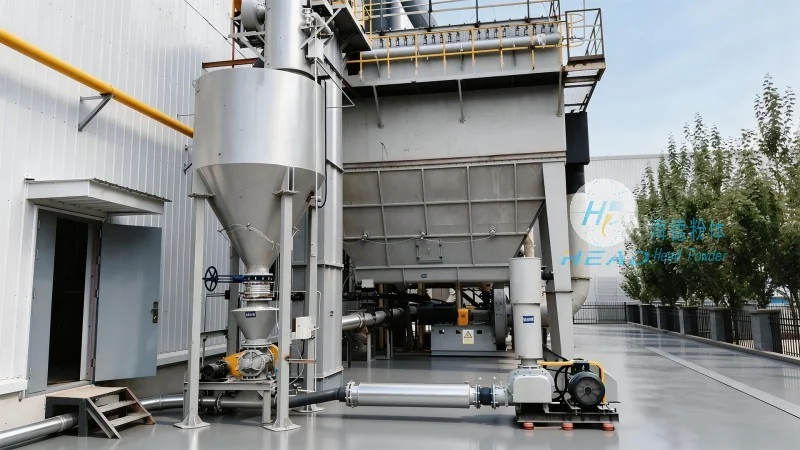
Understanding the Tonne Bag Breakage Material Conveying System
The tonne bag breakage material conveying system is designed to efficiently handle bulk materials that are delivered in large, flexible tonne bags. The system’s core function is to break open these bags and transfer the contained material to subsequent processing or storage equipment. This process involves several key steps that ensure material integrity and operational efficiency.
At the heart of the system is the bag opening mechanism, which uses mechanical or pneumatic force to rupture the bag’s seal. This is followed by a material discharge section where the broken bag contents are collected and fed into a conveyor or hopper. The system is engineered to handle a wide range of materials, including powders, granules, and bulk solids, with minimal loss or contamination. The design prioritizes durability and low maintenance, making it suitable for continuous industrial operations.
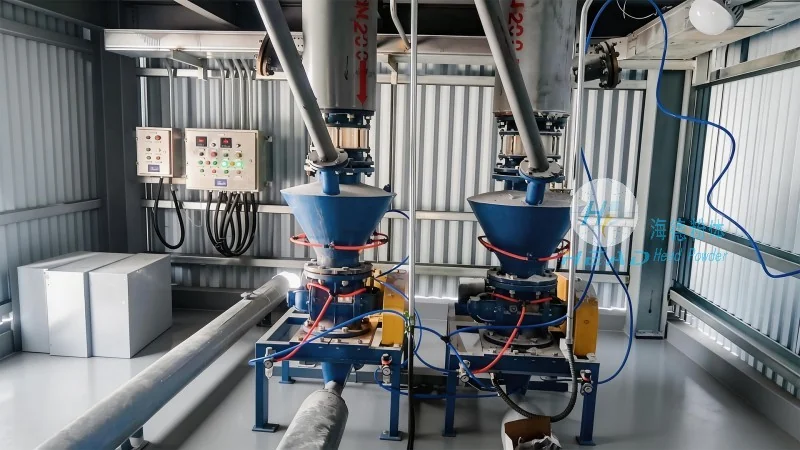
Key Components and Operational Principles
The system comprises several integrated components, each playing a vital role in the material handling process. The bag opening unit, typically equipped with a robust cutting blade or pneumatic rupture device, ensures consistent and reliable bag rupture. The discharge hopper is designed to collect the material and direct it into the conveying system, which may include screw conveyors, belt conveyors, or pneumatic transport lines. The conveying section is engineered to maintain material flow while minimizing segregation or degradation. Additionally, the system includes a material screening or filtration component to remove foreign objects or oversized particles, ensuring the final product meets quality standards.
The operational principle is based on a sequential flow of material from the bag to the processing line. The bag is placed on a loading platform, where it is positioned for opening. The opening mechanism activates, breaking the bag and allowing the material to fall into the discharge hopper. The conveyor then transports the material to the next stage of processing, such as mixing, packaging, or storage. This process is automated to reduce manual intervention and enhance safety in the workplace.
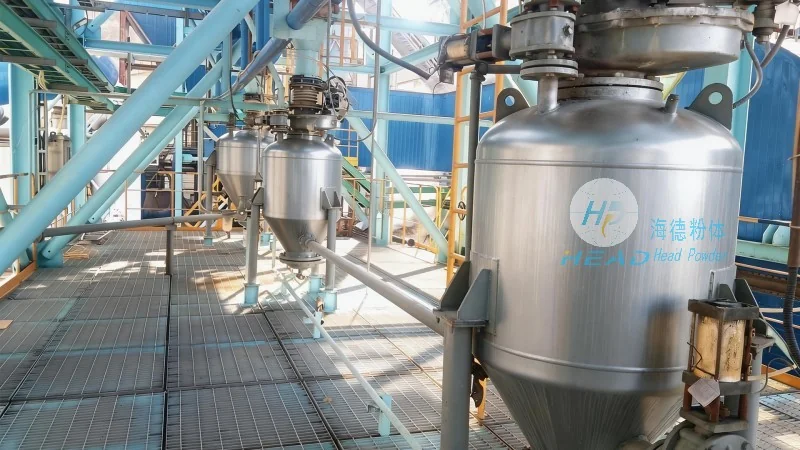
Working Scene Characteristics and Applications
The tonne bag breakage material conveying system is widely used in various industrial sectors, including chemical, food, and pharmaceutical industries. Its design is tailored to meet the specific requirements of each application, ensuring optimal performance and compliance with industry standards. In the chemical industry, for example, the system is used to handle hazardous powders, where safety and containment are paramount. The enclosed design of the system minimizes dust emissions and ensures proper ventilation, reducing the risk of exposure to harmful substances.
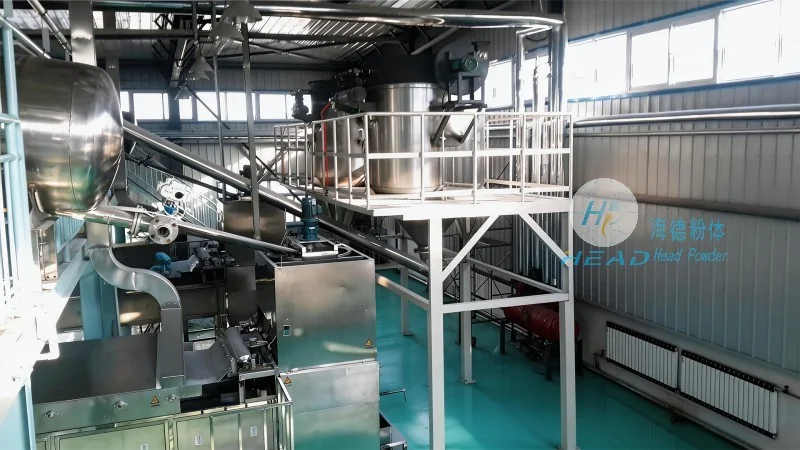
In the food industry, the system is used to process raw materials like grains, flour, and spices. The hygienic design of the system, with smooth surfaces and easy-to-clean components, ensures compliance with food safety regulations. The system’s ability to handle bulk materials efficiently reduces processing time and labor costs, making it a cost-effective solution for food manufacturers. Similarly, in the pharmaceutical industry, the system is used to handle active pharmaceutical ingredients (APIs) and excipients, where precision and purity are critical. The system’s enclosed and sterile design ensures that the material is handled under controlled conditions, preventing contamination and maintaining product quality.
The working scene characteristics of the system include its adaptability to different material types and processing environments. The system can be customized to handle materials with varying particle sizes, moisture content, and flow properties. It is also designed to operate in both indoor and outdoor settings, with weather-resistant components to ensure continuous operation. The system’s compact design allows for installation in limited spaces, making it suitable for retrofitting into existing production lines. Additionally, the system’s low energy consumption and minimal noise levels make it a sustainable and user-friendly solution for industrial applications.