

Principles and Application Scenarios of Centralized Material Feeding and Conveying Systems
Centralized material feeding and conveying systems represent a sophisticated approach to managing material flow in industrial settings. These systems are designed to streamline the process of transporting raw materials, components, or finished products from a central storage or feeding point to various workstations or processing areas. By integrating multiple feeding mechanisms and conveying technologies, such systems enhance operational efficiency, reduce labor costs, and minimize material handling errors.
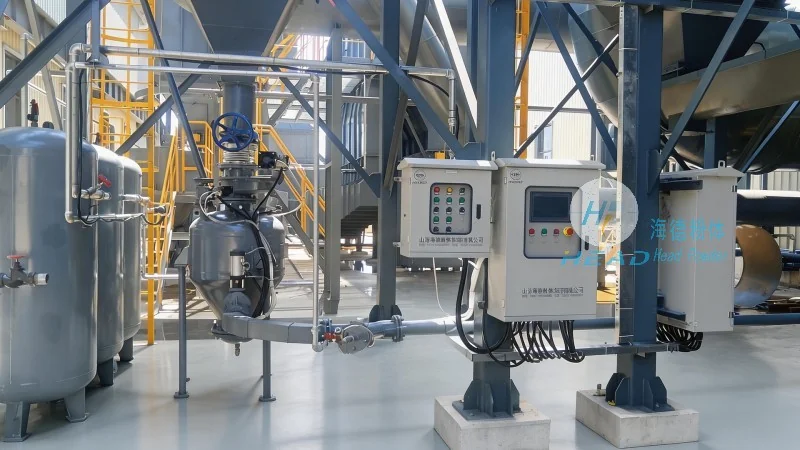
Core Principles of Centralized Material Feeding Systems
The fundamental principle of centralized material feeding systems is to centralize the storage and distribution of materials, enabling a single or a few feeding units to serve multiple downstream processes. This approach eliminates the need for individual feeding equipment at each workstation, which can reduce setup time and improve material traceability. The systems typically incorporate advanced control technologies, such as programmable logic controllers (PLCs) and sensors, to monitor and regulate the flow of materials. This ensures that the right quantity of material is delivered to the right location at the right time, optimizing production throughput.
Key Components and Their Functions
Centralized material feeding systems consist of several critical components that work in concert to achieve efficient material handling. The primary components include material storage units, feeding mechanisms, conveying systems, and control units. Material storage units, such as hoppers or silos, are designed to hold bulk materials securely and prevent contamination. Feeding mechanisms, like vibratory feeders or screw conveyors, regulate the flow of material from the storage unit to the conveying system. Conveying systems, which may include belt conveyors, chain conveyors, or pneumatic systems, transport the material to the designated workstations. Control units, often integrated with the feeding and conveying mechanisms, manage the entire process by receiving input from sensors and adjusting the operation of the system accordingly.
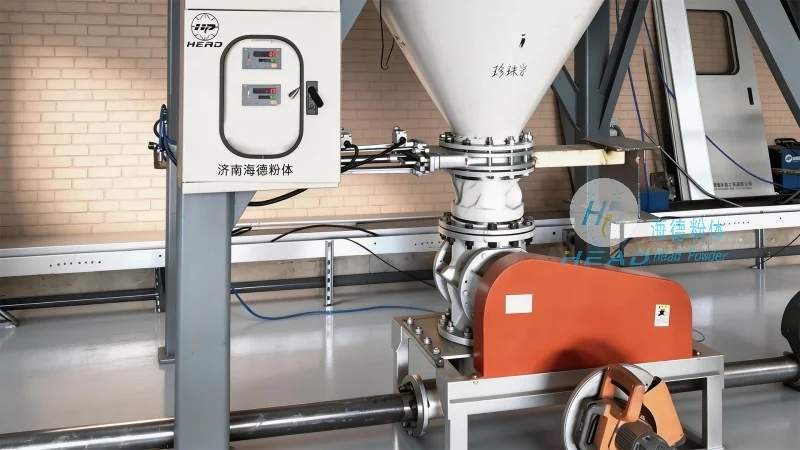
Application Scenarios and Operational Benefits
The application scenarios for centralized material feeding systems are diverse and span various industries, including manufacturing, pharmaceuticals, food processing, and logistics. In manufacturing environments, these systems are commonly used in assembly lines where components need to be delivered to multiple workstations in a sequential manner. For example, in automotive manufacturing, centralized feeding systems can supply parts like bolts, screws, or electronic components to different assembly stations, ensuring a continuous and uninterrupted production flow. In the pharmaceutical industry, such systems are employed to handle raw materials and finished dosage forms, maintaining strict quality control and compliance with regulatory standards. The operational benefits of these systems extend beyond efficiency; they also contribute to improved safety by reducing manual handling of materials and minimizing the risk of accidents in high-traffic areas.
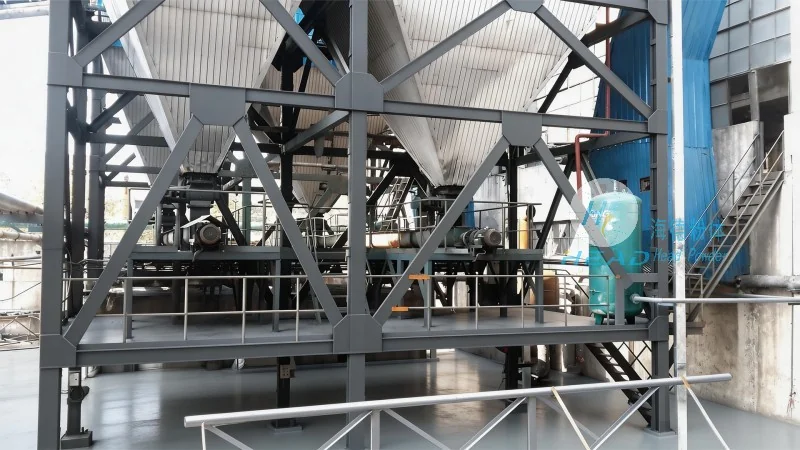
Workplace Integration and Customization
The effectiveness of centralized material feeding systems depends significantly on their integration with the existing production environment. Companies like Shandong HeadPowder Engineering Co., Ltd. specialize in designing and implementing customized solutions that align with specific operational requirements. These systems can be tailored to accommodate different material types, sizes, and flow rates, ensuring optimal performance. The integration process involves assessing the current workflow, identifying bottlenecks, and selecting the appropriate components to address these challenges. By working closely with clients, Shandong HeadPowder engineers develop solutions that not only enhance material handling but also contribute to overall production optimization.
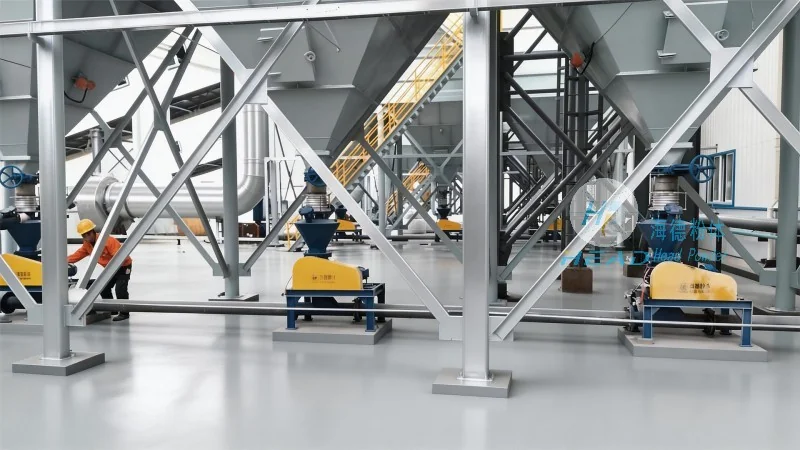
Addressing Common Challenges and Enhancements
While centralized material feeding systems offer numerous advantages, they may encounter challenges such as material bridging, blockages, or variations in material properties. To mitigate these issues, advanced technologies like level sensors, vibration analysis, and automated monitoring systems are incorporated. These enhancements enable real-time detection of potential problems, allowing for immediate adjustments to prevent downtime. Additionally, the use of intelligent control algorithms can optimize the feeding rate based on real-time demand, further improving system efficiency. Companies like Shandong HeadPowder continuously invest in research and development to improve the reliability and performance of their systems, ensuring that clients receive cutting-edge solutions that meet evolving industry needs.
Conclusion and Future Outlook
Centralized material feeding and conveying systems represent a critical advancement in industrial material handling, offering significant improvements in efficiency, safety, and operational control. As industries continue to evolve and demand higher productivity, the adoption of such systems becomes increasingly essential. Companies like Shandong HeadPowder Engineering Co., Ltd., with their expertise in designing and implementing customized solutions, play a vital role in helping businesses achieve their operational goals. By leveraging advanced technologies and tailored approaches, these systems not only streamline material flow but also contribute to long-term sustainability and competitiveness in the market.