

Principles and Working Scene Characteristics of Automatic Bulk Bag Unloading Powder Conveying System
Automatic bulk bag unloading powder conveying systems represent a sophisticated solution designed to streamline the handling and transportation of bulk powders from sealed bags. As a core product of Shandong HeadPowder Engineering Co., Ltd., based in Shandong, China, these systems integrate advanced technology to enhance efficiency, safety, and operational reliability in industrial settings. The system's design focuses on automating the entire process from bag opening to material transfer, minimizing manual intervention and reducing the risk of contamination or material loss.
Core Principles of the System
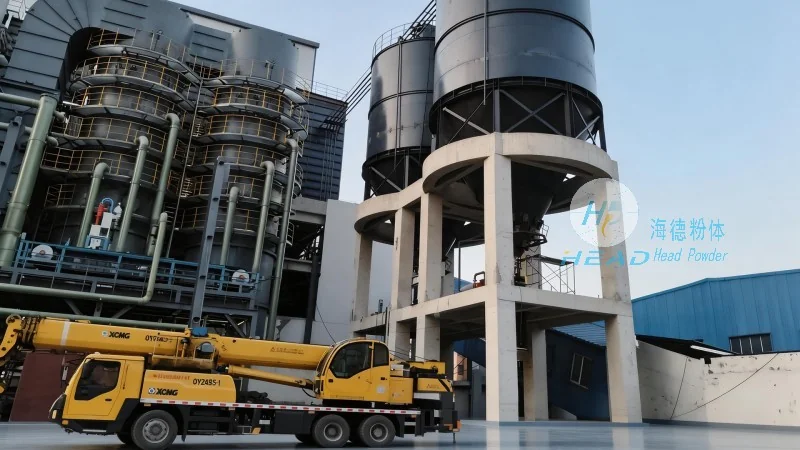
The fundamental principle of an automatic bulk bag unloading powder conveying system is to automate the material transfer process from a bulk bag to a downstream process or storage vessel. This is achieved through a combination of mechanical and control components that work in concert. The system typically includes a bulk bag support frame, an opening mechanism (such as a valve or cutting device), a hopper or receiving container, and a conveying system (e.g., pneumatic or mechanical). The control system coordinates the sequence of operations, ensuring each step is executed safely and efficiently. Key principles include material containment to prevent spillage, precise control of air flow or mechanical force for conveying, and integration with process controls for seamless operation.
Working Scene Characteristics
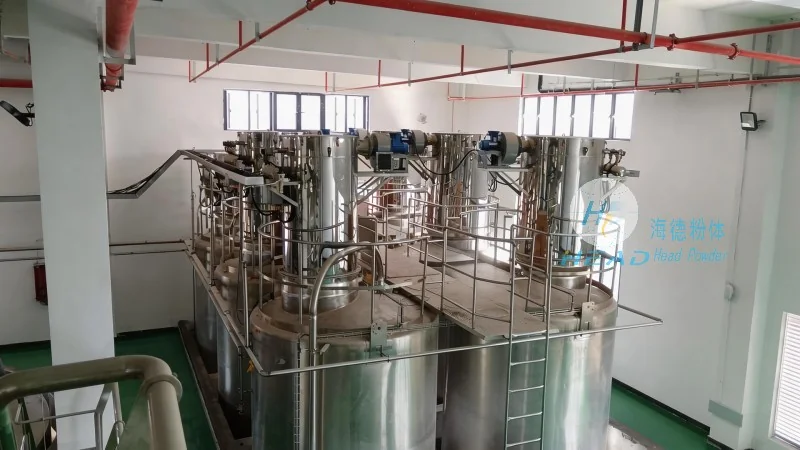
The application scenarios for automatic bulk bag unloading powder conveying systems are diverse and tailored to meet the specific demands of various industries. In the chemical industry, for example, these systems are used to handle reactive or hazardous powders, where automation reduces human exposure and ensures compliance with safety regulations. The pharmaceutical industry benefits from the system's ability to maintain a sterile environment, as the enclosed design prevents contamination and ensures product purity. In the food and beverage sector, the system's hygienic design and easy cleaning features are critical for maintaining food safety standards. Additionally, in the mining and minerals processing industries, the system's robust construction and ability to handle abrasive materials make it suitable for heavy-duty applications. Each working scene is characterized by unique requirements, such as material properties, environmental conditions, and regulatory standards, which the system addresses through customizable configurations.
Key Components and Their Functions
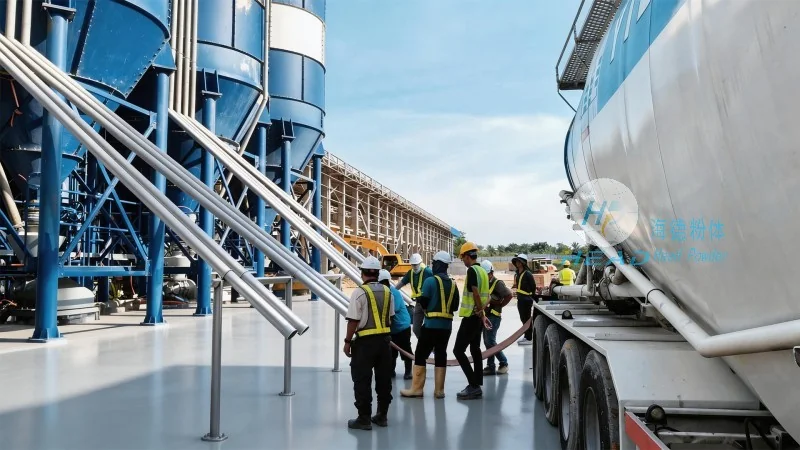
The effectiveness of an automatic bulk bag unloading powder conveying system relies on its integrated components, each playing a critical role in the overall operation. The bulk bag support frame provides a stable platform for the bag, ensuring proper alignment during the unloading process. The opening mechanism, which may include a valve or cutting tool, is designed to safely and efficiently open the bag without damaging the material inside. The hopper or receiving container collects the material as it is discharged from the bag and serves as a buffer before transfer to the conveying system. The conveying system, which can be pneumatic (using air to move the powder) or mechanical (using screws or belts), transports the material to the final destination. The control system, often equipped with sensors and programmable logic controllers (PLCs), monitors the entire process, detects anomalies, and adjusts parameters as needed to maintain optimal performance. Each component is selected based on the specific material being handled and the operational environment, ensuring the system's adaptability and reliability.
Advantages in Industrial Applications
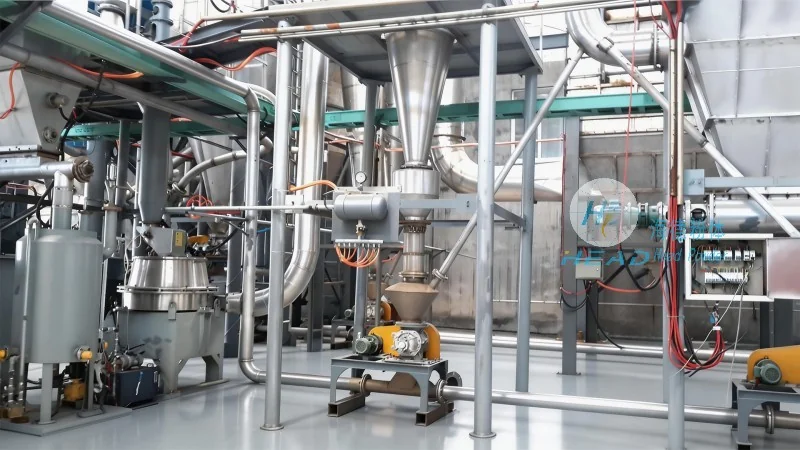
Implementing an automatic bulk bag unloading powder conveying system offers numerous advantages in industrial operations. One of the primary benefits is increased efficiency, as the system automates a labor-intensive process, reducing cycle times and increasing production throughput. This automation also enhances safety by minimizing human exposure to dust, hazardous materials, or heavy lifting, thereby lowering the risk of workplace injuries. The system's enclosed design helps maintain a clean and controlled environment, which is crucial in industries like pharmaceuticals and food processing where contamination control is paramount. Additionally, the system's ability to handle a wide range of materials, from fine powders to bulkier granules, makes it versatile for various applications. The integration with process controls allows for seamless integration into existing production lines, improving overall operational efficiency and reducing downtime. These advantages make the system a valuable investment for industries seeking to optimize their material handling processes.