

Principle and Working Scene Characteristics of Positive Pressure Blowing Powder Material Handling Sy
HeadPowder, a leading provider in the field of powder material handling technology, specializes in the design, manufacturing, and application of positive pressure blowing systems. This article aims to provide a comprehensive understanding of the principle and working scene characteristics of such systems, with a focus on the technical aspects and practical applications.
Introduction to Positive Pressure Blowing Powder Handling Systems
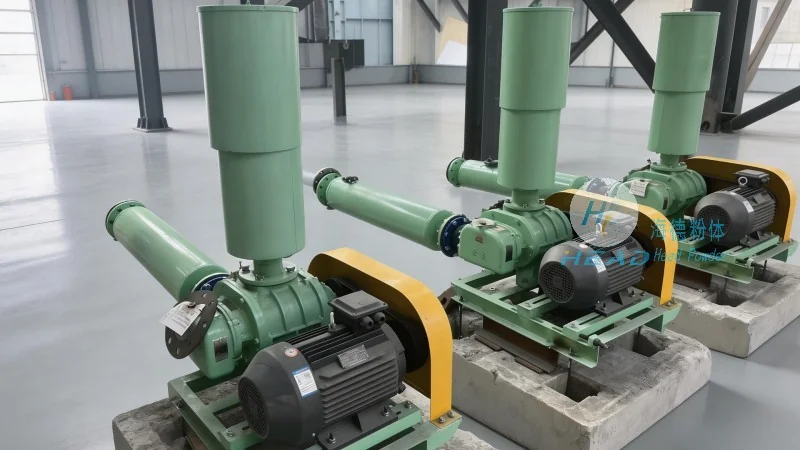
Positive pressure blowing systems are a critical component in modern industrial processes, particularly for the efficient and safe transportation of bulk powders. Unlike negative pressure systems, which rely on suction to draw materials, positive pressure systems utilize compressed air to push powders through pipelines. This approach offers several advantages, including higher material flow rates, reduced risk of dust leakage, and improved system reliability. The core principle involves generating a high-pressure air stream that propels the powder particles through the system, ensuring consistent and controlled material movement.
Key Components and Working Principle
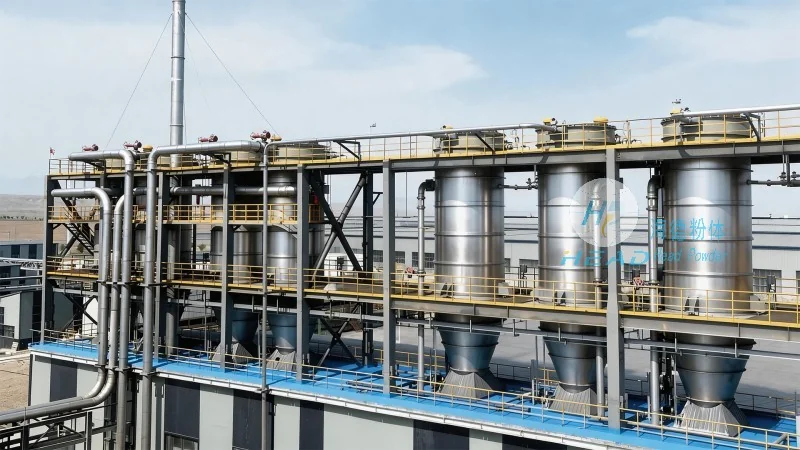
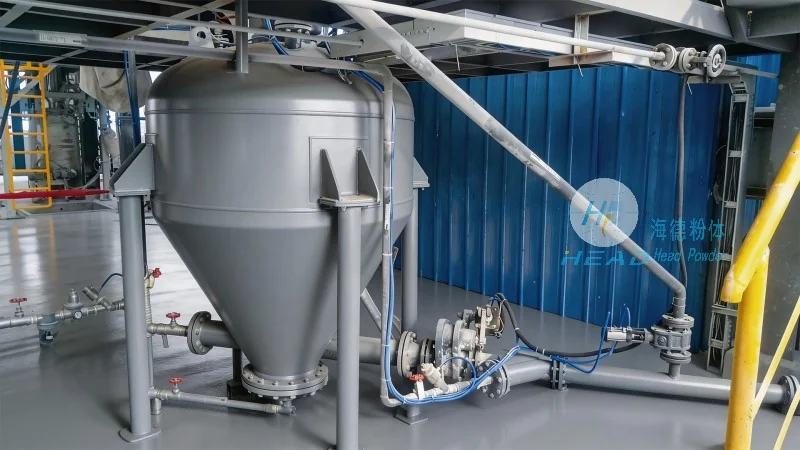
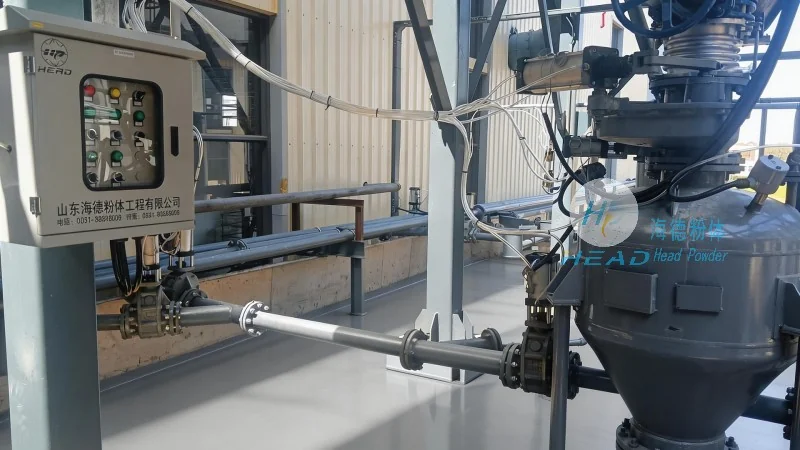
The operation of a positive pressure blowing system is based on a series of interconnected components that work in harmony to achieve effective powder transport. The primary components include a compressor, a material feeder, a pipeline network, and a control system. The compressor generates the necessary compressed air, which is then directed to the material feeder. The feeder, equipped with a hopper and a rotary valve or screw feeder, introduces the powder into the air stream. As the air and powder mixture moves through the pipeline, the high-pressure air maintains the powder in suspension, preventing caking or blockages. The system is designed to handle a wide range of powder types, from fine powders like cement and flour to bulkier materials such as coal and minerals.
Working Scene Characteristics and Applications
The working scene characteristics of positive pressure blowing systems are tailored to meet the diverse needs of various industrial sectors. These systems are commonly used in industries such as pharmaceuticals, food processing, chemical manufacturing, and mining. In pharmaceutical applications, the systems ensure the safe and hygienic transport of raw materials and finished products, maintaining strict contamination control. In food processing, they are employed to handle powders like sugar, flour, and spices, ensuring product quality and preventing cross-contamination. Chemical manufacturers utilize these systems for transporting reactive powders, where explosion-proof designs and precise control are essential. Mining operations benefit from the ability to transport large volumes of ore and coal over long distances with minimal maintenance.
Advantages and Practical Considerations
Positive pressure blowing systems offer several key advantages that make them a preferred choice in many industrial settings. These include high material throughput, which is crucial for meeting production demands in high-volume operations. The system's ability to maintain a positive pressure environment reduces the risk of dust leakage and improves workplace safety. Additionally, the compact design and modular components allow for easy installation and maintenance, reducing downtime and operational costs. However, practical considerations such as pipeline cleaning, material compatibility, and energy efficiency must be carefully evaluated. Regular maintenance of the compressor and feeder components is essential to ensure long-term system performance and prevent system failures.
Conclusion
Positive pressure blowing powder material handling systems represent a sophisticated and efficient solution for the transportation of bulk powders in various industrial applications. By understanding the principle and working scene characteristics of these systems, industries can make informed decisions about their material handling needs. HeadPowder, with its expertise in engineering and application, continues to provide reliable and effective solutions tailored to the specific requirements of each client. The combination of advanced technology and practical design ensures that these systems remain a cornerstone of modern industrial operations.