

Principles and Working Scene Characteristics of Polyvinyl Alcohol Butyral Powder Conveying
Polyvinyl alcohol butyral (PVB) is a versatile polymer widely used in various industrial applications, including optical coatings, adhesives, and protective films. The efficient and reliable conveying of PVB powder is crucial for maintaining product quality and operational efficiency in manufacturing processes. This section outlines the fundamental principles behind PVB powder conveying systems, focusing on the mechanisms that ensure smooth material transport from storage to processing units.
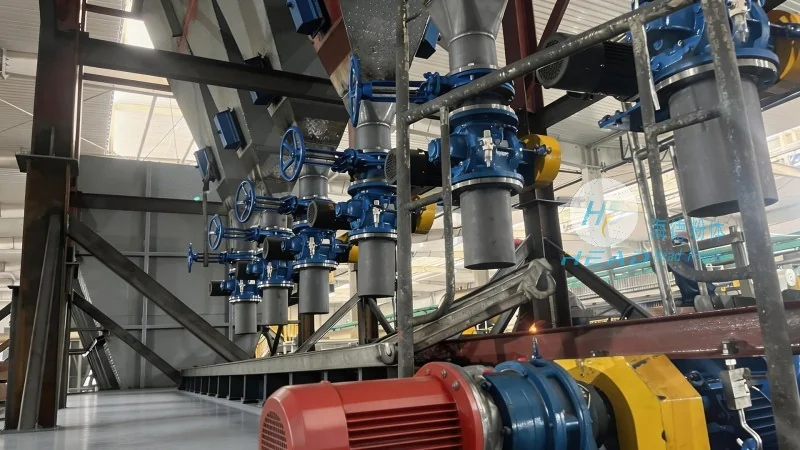
Key Components and Working Mechanisms
PVB powder conveying typically involves a combination of mechanical and pneumatic components designed to handle the material's properties. The system often includes a hopper or storage bin to hold the powder, a feeding mechanism (such as a screw feeder or rotary valve) to control the flow rate, and a conveying pipeline with appropriate air pressure or vacuum to move the material. The selection of these components is critical, as PVB powder can be prone to bridging or caking under certain conditions, which may affect the conveying efficiency. Advanced systems may incorporate vibration or agitation devices to prevent material buildup and ensure consistent flow.
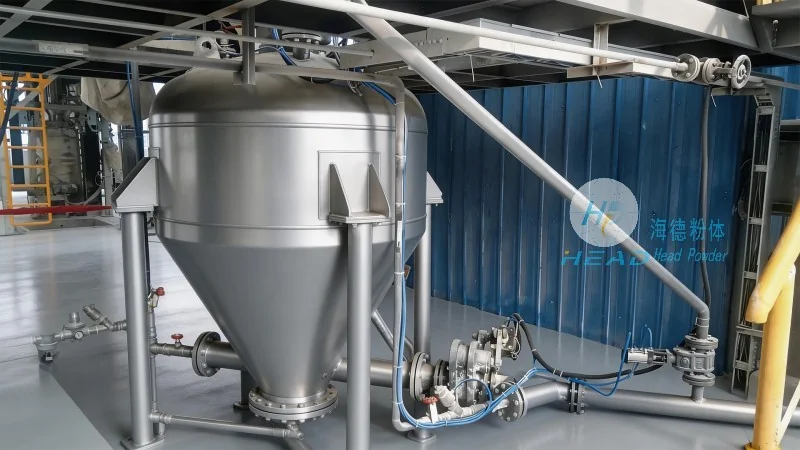
Working Scene Characteristics and Application Scenarios
The working scene characteristics of PVB powder conveying systems vary based on the specific industrial environment and production scale. In large-scale manufacturing facilities, such as those producing optical lenses or automotive safety glass, the conveying system must handle high volumes of PVB powder while maintaining precise control over the flow rate to meet stringent quality standards. The working environment may involve high temperatures or humidity, requiring the system to be designed with materials resistant to corrosion and wear. In contrast, smaller-scale applications, like laboratory or research settings, may use more compact conveying systems with lower throughput, where the focus is on accuracy and ease of maintenance.
Operational Efficiency and Process Integration
The effectiveness of PVB powder conveying is closely tied to its integration with the overall production process. A well-designed system ensures that the powder is delivered to the processing unit at the correct time and in the right quantity, minimizing downtime and waste. Automation plays a significant role in modern PVB conveying systems, with sensors and control panels monitoring flow rates, pressure, and material levels. This integration allows for real-time adjustments to maintain optimal performance, even when dealing with varying batch sizes or material characteristics. The ability to adapt to different production demands makes PVB powder conveying systems flexible and cost-effective for manufacturers.
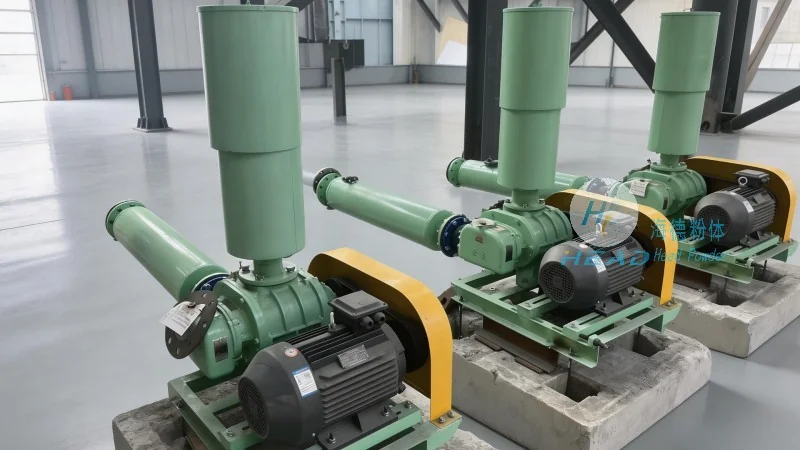
About Shandong HeadPowder Engineering Co., Ltd.
Shandong HeadPowder Engineering Co., Ltd. is a leading provider of specialized engineering solutions for powder handling and conveying systems. With a focus on innovation and quality, the company has developed advanced technologies tailored to the unique challenges of PVB powder processing. HeadPowder's expertise in material handling ensures that their systems are designed to meet the highest standards of efficiency, reliability, and safety. The company's headquarters is located in Shandong, China, where they maintain state-of-the-art facilities for research, development, and manufacturing. By combining technical expertise with customer-centric service, HeadPowder has established itself as a trusted partner for industries relying on PVB powder applications.