

Principles and Working Scene Characteristics of White Clay Powder Conveying
White clay powder conveying is a critical process in industrial applications, particularly in the processing of white clay materials. Understanding the underlying principles and the specific characteristics of different working scenes is essential for optimizing material handling efficiency and ensuring operational reliability. This article provides an in-depth exploration of the principles governing white clay powder conveying, alongside an analysis of the key characteristics that define various working scenarios.
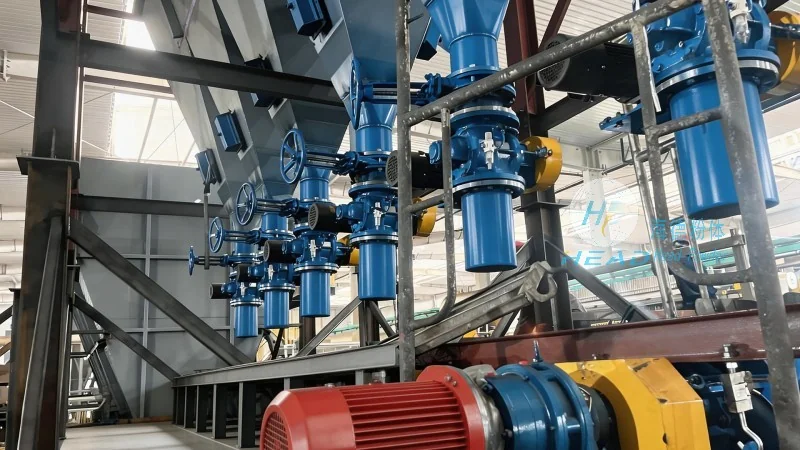
Company Overview: HeadPowder
HeadPowder, formally known as Shandong HeadPowder Engineering Co., Ltd., is a leading enterprise based in Shandong, China. Specializing in the design, manufacturing, and integration of powder handling systems, the company has established itself as a trusted partner for industries requiring reliable white clay powder conveying solutions. With a strong commitment to technological innovation and customer-centric service, HeadPowder delivers tailored solutions that meet the unique demands of diverse industrial applications.
The Principles of White Clay Powder Conveying
White clay powder conveying relies on several fundamental principles to transport fine particulate materials efficiently. The primary mechanisms include pneumatic conveying, where air is used to move the powder through a pipeline system, and mechanical conveying, which employs equipment such as screw conveyors or belt conveyors. Pneumatic systems are particularly effective for white clay, as they can handle fine particles with minimal degradation and offer flexibility in layout. The selection of the appropriate conveying principle depends on factors like the particle size, moisture content, and the required conveying distance. For instance, low-pressure pneumatic conveying is often preferred for short to medium distances, while high-pressure systems may be necessary for longer runs or when dealing with more challenging particle characteristics.
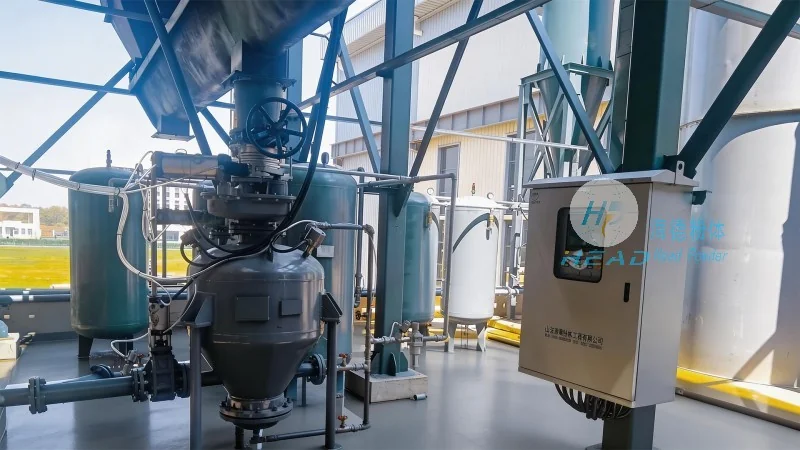
Working Scene Characteristics of White Clay Powder Conveying
The characteristics of the working scene significantly influence the choice of conveying method and equipment. In industrial settings, the environment may vary from clean, controlled facilities to more demanding conditions, such as those found in mining or construction sites. The key characteristics include the scale of operation, the need for dust control, and the integration with other processing equipment. For example, in a paper manufacturing plant, white clay is used as a filler, and the conveying system must be integrated with the paper-making process, ensuring consistent material flow and minimal contamination. In contrast, in a mining operation, the focus may be on bulk material handling, requiring robust equipment capable of withstanding harsh conditions and high throughput. Additionally, the presence of moisture in the white clay can affect the conveying efficiency, as it may lead to caking or blockages in the system. Therefore, proper moisture control and material conditioning are critical components of an effective conveying solution.
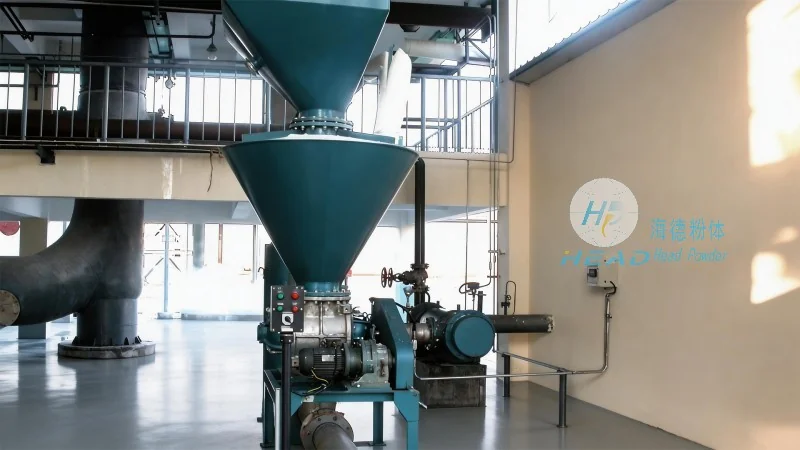
Application Scenarios and Practical Implementation
White clay powder conveying is widely applied across various industries, including paper, ceramics, and chemical manufacturing. Each application scenario presents unique challenges and requirements. In the paper industry, for instance, the white clay is typically conveyed from storage silos to the paper machine, where it is mixed with other ingredients to adjust the paper's properties. The conveying system must maintain a consistent flow rate to ensure uniform paper quality. In the ceramics industry, white clay is used as a raw material for producing ceramic products, and the conveying process must be precise to control the material's composition. The characteristics of the working scene, such as the need for high purity and low contamination, dictate the choice of equipment, such as closed-loop pneumatic systems. Furthermore, the integration of conveying systems with other processing equipment, like mixers or extruders, requires careful consideration of flow rates and pressure differentials to avoid system disruptions.
Technical Advantages and Operational Efficiency
Modern white clay powder conveying systems offer several technical advantages that enhance operational efficiency and reliability. Advanced materials and designs minimize wear and tear, extending the lifespan of equipment. For example, the use of stainless steel or corrosion-resistant materials in pneumatic pipelines prevents material buildup and ensures consistent performance. Additionally, the implementation of automated control systems allows for real-time monitoring and adjustment of conveying parameters, optimizing energy consumption and reducing downtime. The integration of sensors and control algorithms enables proactive maintenance, detecting potential issues before they lead to system failures. These technological advancements not only improve the efficiency of white clay powder conveying but also contribute to a safer working environment by reducing dust emissions and improving material handling safety.