

Principles and Working Scene Characteristics of Straw Ash Powder Conveying
Straw ash powder conveying is a specialized process used in industrial applications, particularly in the handling and transportation of fine powders derived from straw combustion. Understanding the underlying principles and the diverse working scenarios where this technology is applied is crucial for optimizing operational efficiency and ensuring safe material transport. This article delves into the fundamental mechanisms of straw ash powder conveying and highlights key characteristics of its application environments.
Principles of Straw Ash Powder Conveying
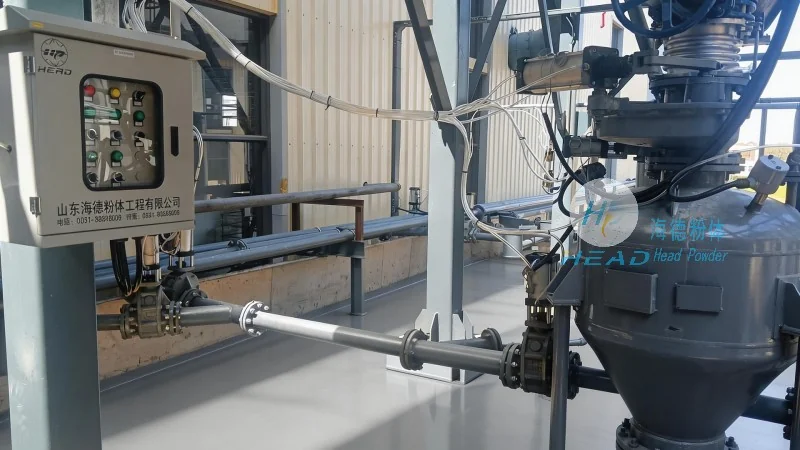
The core principle of straw ash powder conveying involves the use of air or gas to transport fine particulate materials through a pipeline system. This method, commonly known as pneumatic conveying, leverages the kinetic energy of the conveying medium to move the powder from a source to a destination. The process typically operates under pressure or vacuum conditions, depending on the specific system design and the characteristics of the material being handled. Key components of a pneumatic conveying system for straw ash powder include a hopper for material storage, a conveyor line, a control valve, and a dust collection system. The conveying medium, often air, is compressed or drawn through the system to create the necessary flow, while the straw ash powder is entrained and transported along with the gas stream. This approach eliminates the need for mechanical components like belts or buckets, reducing wear and maintenance requirements while enabling efficient, continuous material transport.
Working Scene Characteristics of Straw Ash Powder Conveying
Straw ash powder conveying is employed in various industrial settings, each with distinct characteristics that influence the system design and operational parameters. The working scenes can be broadly categorized based on the scale of operation, the nature of the material, and the environmental conditions. In large-scale agricultural or biomass processing facilities, for instance, straw ash is generated in significant quantities and needs to be transported over considerable distances to processing units or storage areas. The systems in these scenarios often feature high-capacity conveying lines and robust control mechanisms to handle the volume of material. Conversely, in smaller-scale applications such as on-farm processing or small-scale biomass energy plants, the conveying systems may be more compact and designed for lower throughput, with emphasis on simplicity and cost-effectiveness.
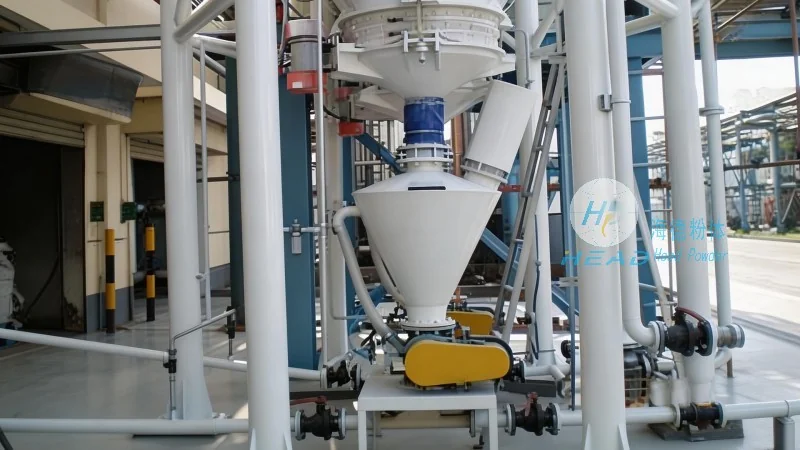
Environmental factors also play a critical role in determining the characteristics of straw ash powder conveying working scenes. In outdoor or semi-outdoor environments, where the material is exposed to weather conditions, the system must be designed to withstand moisture and temperature variations. This may involve the use of weather-resistant materials for the conveyor lines and additional filtration systems to prevent dust contamination. Indoor applications, on the other hand, typically require enclosed systems to maintain air quality and prevent dust dispersion into the working environment. The design of the conveying system in such cases includes features like sealed hoppers and integrated dust collection to ensure compliance with occupational health and safety regulations.
Key Features and Advantages in Application
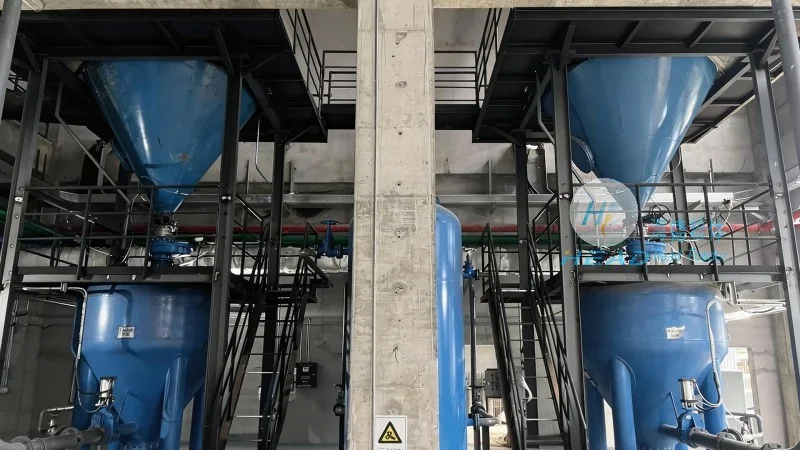
When considering the working scene characteristics of straw ash powder conveying, several key features and advantages become evident. One of the primary benefits is the ability to transport fine powders over long distances without the need for intermediate storage or handling steps. This reduces the risk of material degradation and loss, which is particularly important for straw ash, as it can be prone to clumping or agglomeration if not handled properly. Additionally, pneumatic conveying systems offer flexibility in terms of layout, allowing for the integration of multiple processing units and the ability to reconfigure the system as operational needs change. The systems are also relatively low in maintenance, as they lack moving parts that are prone to wear and tear, which contributes to lower operational costs over time.
Company Overview: Shandong HeadPowder Engineering Co., Ltd.
Shandong HeadPowder Engineering Co., Ltd., operating under the brand name headpowder, specializes in the design, manufacturing, and implementation of advanced powder handling solutions. With a focus on innovative technologies tailored to the needs of the agricultural and biomass industries, the company has established itself as a leader in straw ash powder conveying systems. HeadPowder's expertise lies in developing customized pneumatic conveying solutions that address the unique challenges of handling fine, abrasive materials like straw ash. The company's products are engineered to meet the highest standards of efficiency, reliability, and safety, ensuring that clients can achieve optimal performance in their operations. Based in Shandong, China, headpowder leverages local resources and industry knowledge to provide comprehensive support to its clients, from initial system design and installation to ongoing maintenance and technical support.