

Principles and Application Scenarios of Sodium Chlorate Powder Handling and Transport
Sodium chlorate is a critical chemical compound widely used in various industrial applications, including pulp and paper production, chemical synthesis, and water treatment. Efficient and safe handling of sodium chlorate powder is essential to ensure operational efficiency and compliance with safety standards. This article explores the principles underlying sodium chlorate powder transport systems and highlights key application scenarios where such systems are employed.
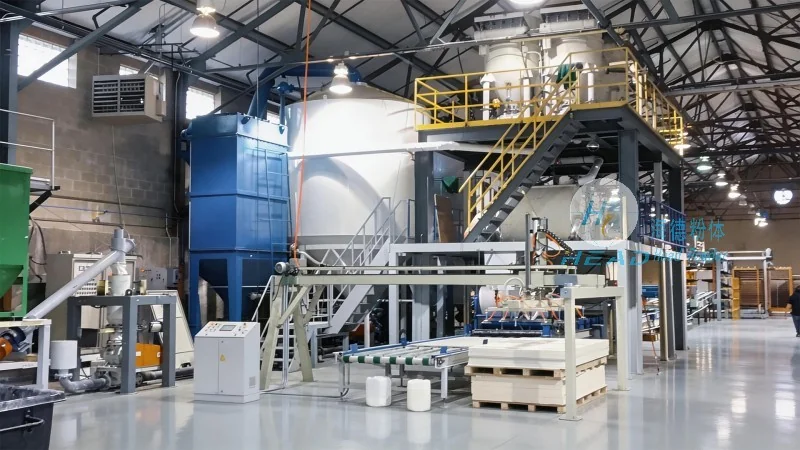
Company Overview: Shandong HeadPowder Engineering Co., Ltd.
As a leading provider of specialized engineering solutions, Shandong HeadPowder Engineering Co., Ltd. (referred to as HeadPowder) specializes in the design, manufacturing, and implementation of advanced powder handling systems. With a strong commitment to innovation and safety, HeadPowder has established itself as a trusted partner in the chemical processing industry. The company is headquartered in Shandong, China, and leverages decades of expertise to deliver tailored solutions for diverse industrial needs.
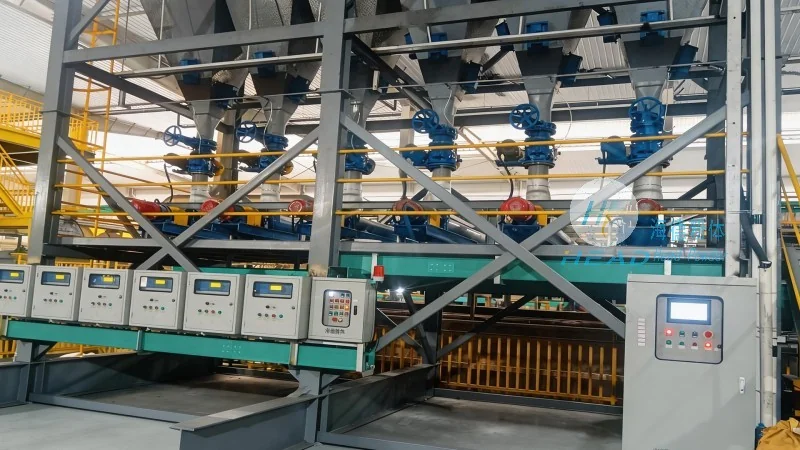
The Fundamental Principles of Sodium Chlorate Powder Transport
The transport of sodium chlorate powder involves several core principles aimed at ensuring reliable, safe, and efficient material movement. Key aspects include:
- Material Properties Consideration: Sodium chlorate is a hygroscopic and potentially reactive powder. Its handling requires specialized equipment to prevent caking, agglomeration, and moisture absorption, which can compromise flow characteristics and safety.
- System Design for Uniform Flow: Proper design of conveyor systems, such as pneumatic conveying or mechanical conveying, is crucial. These systems are engineered to maintain consistent particle velocity and pressure, minimizing the risk of blockages and ensuring smooth material transfer.
- Safety Protocols and Environmental Controls: Due to the chemical's reactivity, transport systems incorporate safety features like explosion-proof components, dust suppression mechanisms, and closed-loop designs to prevent exposure and environmental contamination.
Key Application Scenarios for Sodium Chlorate Powder Handling
Sodium chlorate powder handling systems are deployed in a variety of industrial settings, each with unique requirements and operational challenges. Below are some prominent application scenarios:
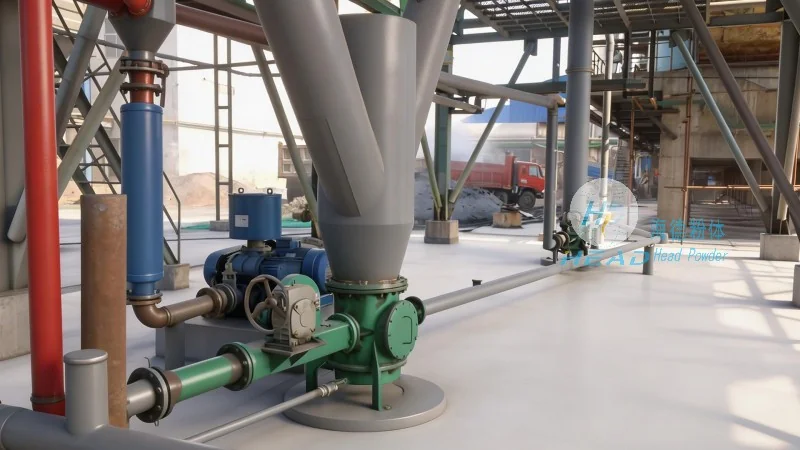
- Pulp and Paper Industry: In this sector, sodium chlorate is used as an oxidizing agent in the bleaching process. Handling systems must be capable of processing large volumes of powder while maintaining high purity standards to avoid contamination of the final product.
- Chemical Manufacturing: For chemical synthesis applications, precise control over powder flow is critical. Systems are often integrated with dosing mechanisms and quality control sensors to ensure accurate dosing and product consistency.
- Water Treatment: Sodium chlorate is employed in water treatment facilities to disinfect and oxidize contaminants. Handling systems in this context need to be robust and resistant to corrosion, as the material may come into contact with aggressive chemicals.
Advantages of Advanced Powder Transport Solutions by HeadPowder
HeadPowder's advanced powder transport solutions offer several advantages that address the specific challenges of sodium chlorate handling. These include: