

Principles and Working Scene Characteristics of PTA Powder Conveying
PTA (Polyethylene Terephthalate Acid) powder conveying is a critical process in industrial operations, particularly within the chemical and manufacturing sectors. Understanding the underlying principles and the specific characteristics of its working scenes is essential for optimizing efficiency, ensuring safety, and maintaining product integrity. This article delves into the fundamental mechanisms of PTA powder conveying and explores the diverse scenarios where this technology is applied, providing insights into its practical implementation and benefits.
Company Information
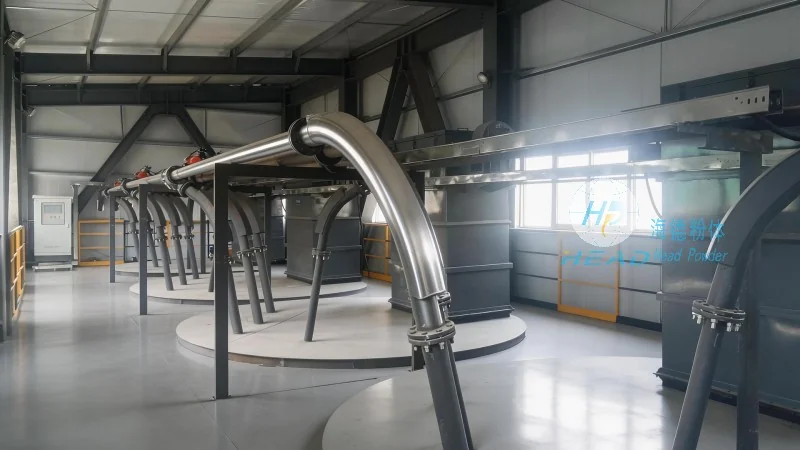
HeadPowder, a leading provider in the field, is dedicated to advancing powder handling solutions. As Shandong HeadPowder Engineering Co., Ltd., the company operates from China, leveraging its expertise to deliver innovative conveying systems tailored to the unique demands of PTA powder applications. With a focus on precision and reliability, HeadPowder ensures that its solutions meet the stringent requirements of modern industrial processes.
Principles of PTA Powder Conveying
The core of PTA powder conveying lies in the efficient movement of fine, abrasive particles from one location to another. Several key principles govern this process, each tailored to the specific properties of PTA powder. PTA is known for its high purity and fine particle size, which can pose challenges during handling due to its tendency to create dust and clog equipment. Therefore, conveying systems must be designed to minimize particle degradation and ensure consistent flow. The primary methods of PTA powder conveying include:
1. Gravity Conveying: This method relies on the natural force of gravity to move PTA powder down inclined chutes or hoppers. It is often used for short distances and low volumes, where the powder's density and flow characteristics allow for smooth movement without excessive friction. Gravity systems are simple, cost-effective, and require minimal maintenance, making them suitable for applications where the powder's flowability is adequate.
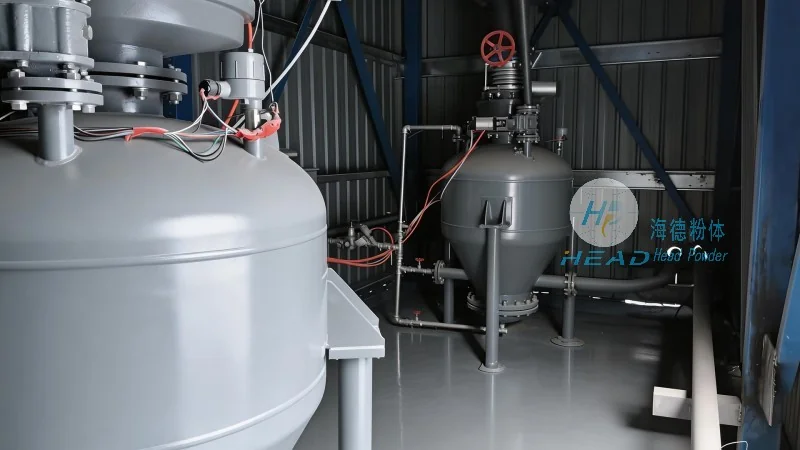
2. Pressure Conveying: In this approach, PTA powder is transported using positive pressure, typically through pipelines or ducts. Compressed air or gas is used to create a pressure differential that propels the powder forward. This method is ideal for longer distances and higher volumes, as it can handle more complex layouts and overcome obstacles such as changes in elevation or direction. Pressure conveying systems are commonly used in large-scale industrial settings where continuous and reliable transport is required.
3. Air-Flow (Pneumatic) Conveying: This technique involves the use of a combination of air and pressure to move PTA powder. It is particularly effective for fine powders that are prone to clogging or agglomeration. The air flow helps to break up clumps and maintain a consistent flow rate, reducing the risk of blockages. Pneumatic conveying systems can be either positive or negative pressure, depending on the application. Positive pressure systems are often preferred for PTA powder due to their ability to handle abrasive particles and maintain a clean environment.
Working Scene Characteristics of PTA Powder Conveying
The working scenes where PTA powder conveying is applied vary widely, reflecting the diverse needs of industrial processes. Each scenario presents unique challenges and requires tailored solutions to ensure optimal performance. The following are some of the key characteristics and applications of PTA powder conveying:
1. Chemical Manufacturing Plants: In PTA production facilities, powder conveying is essential for transporting raw materials to reactors and finished products to storage or packaging areas. The high purity of PTA powder demands that conveying systems are designed to prevent contamination and maintain product quality. For instance, in a typical PTA plant, powder may be conveyed from a storage silo to a reactor via a pressure conveyor system, ensuring that the material is delivered at the correct temperature and pressure. The working scene here involves large-scale, continuous operations with strict quality control measures.
2. Pharmaceutical and Food Processing Industries: Although PTA is primarily used in the production of plastics, its handling principles are relevant to other fine powders in the pharmaceutical and food sectors. The working scene in these industries emphasizes hygiene, safety, and product purity. Conveying systems must be designed to minimize dust exposure and prevent cross-contamination. For example, in a pharmaceutical facility, PTA powder might be used as a raw material for specialty polymers, and the conveying process must adhere to GMP (Good Manufacturing Practice) standards. The working scene here involves smaller, more controlled environments with stringent regulations.
3. Logistics and Bulk Handling Centers: In logistics and bulk handling centers, PTA powder is often transported between different facilities or for distribution to end-users. The working scene in this context involves high-volume, high-speed operations with a focus on efficiency and cost-effectiveness. Conveying systems are typically integrated with other equipment, such as silos, mixers, and packaging machines, to create a seamless workflow. The use of automated control systems and real-time monitoring is common in these scenarios to ensure that the powder is conveyed accurately and without delays.
4. Research and Development Laboratories: In R&D settings, PTA powder conveying is used for experimental purposes, where precise control over the amount and flow rate of the powder is critical. The working scene here involves small-scale, controlled experiments with a focus on understanding the behavior of PTA under different conditions. Conveying systems in these laboratories are often custom-designed to meet specific research requirements, such as the ability to handle very low volumes or to integrate with analytical equipment.
Key Considerations for PTA Powder Conveying
When implementing PTA powder conveying systems, several factors must be considered to ensure optimal performance and longevity. These considerations include the physical properties of PTA powder, the design of the conveying equipment, and the operational environment. The following are some of the key considerations:
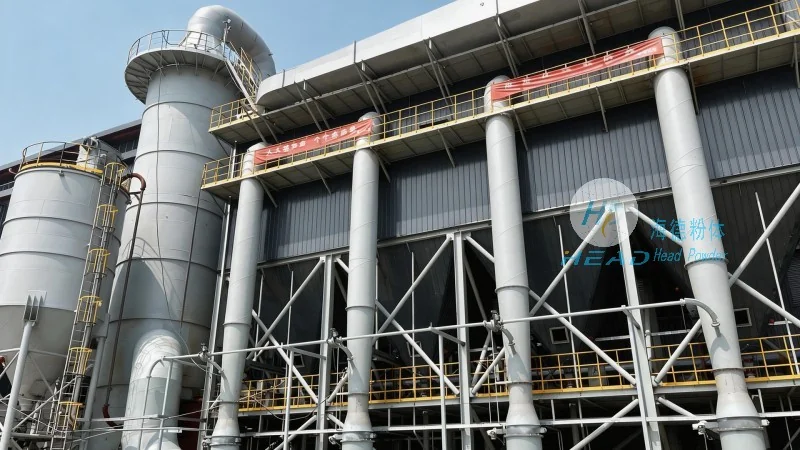
1. Particle Size and Flowability: PTA powder typically has a fine particle size, which can affect its flow characteristics. Coarser particles may flow more freely, while finer particles are more prone to clogging and dust generation. The conveying system must be designed to accommodate the specific flowability of the PTA powder, often through the use of additives or specialized equipment such as vibrators or agitators.
2. Abrasion Resistance: PTA powder is abrasive due to its high molecular weight and hardness. This can lead to wear and tear on conveying equipment, particularly in high-volume applications. The selection of materials for the conveyor components, such as stainless steel or special alloys, is crucial to minimize wear and extend the lifespan of the system.
3. Dust Control and Safety: PTA powder is a fine, airborne particulate that can pose health risks if inhaled. Effective dust control measures, such as enclosed systems, filtration, and local exhaust ventilation, are essential to ensure a safe working environment. Additionally, the conveying system must be designed to prevent dust explosions, which can occur in environments with combustible dust.
4. Temperature and Humidity: PTA powder can be sensitive to temperature and humidity changes, which may affect its flowability and chemical properties. The conveying system must be designed to maintain the appropriate temperature and humidity levels, often through the use of insulated pipelines or controlled environments.
Conclusion
PTA powder conveying is a complex yet essential process in modern industrial operations. By understanding the principles of powder movement and the specific characteristics of working scenes, companies can optimize their conveying systems to improve efficiency, reduce costs, and ensure product quality. HeadPowder, with its expertise and commitment to innovation, provides tailored solutions that address the unique challenges of PTA powder handling. Whether in chemical manufacturing, pharmaceutical processing, or logistics, the proper implementation of PTA powder conveying systems is critical to the success of industrial operations.