

Principle and Working Scene Characteristics of High-Pressure Bin Pump Powder Material Transport
Welcome to Shandong HeadPowder Engineering Co., Ltd., a leading provider of advanced powder material transport solutions. Our company specializes in the design, manufacturing, and implementation of high-pressure bin pumps, which are crucial for efficient and reliable powder handling in various industrial applications. This article explores the fundamental principles behind high-pressure bin pumps and highlights the key characteristics of their working scenes, offering insights into how these systems enhance operational efficiency and safety in powder transport processes.
Understanding the Core Principle of High-Pressure Bin Pumps
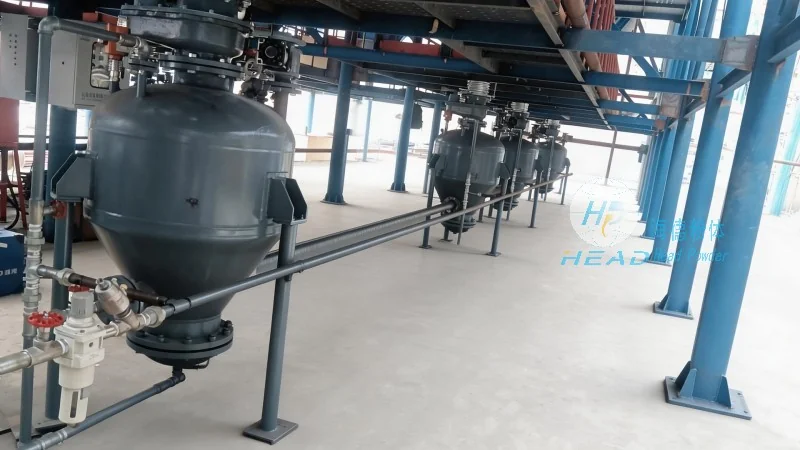
High-pressure bin pumps, also known as pressure vessels or pneumatic conveying systems, operate on the principle of creating a pressure differential to move bulk powders from a storage bin to a destination point. The system typically consists of a hopper or bin where the powder is stored, a pump chamber that generates the necessary pressure, and a conveying line that transports the material. The pump works by first creating a vacuum or low-pressure environment inside the chamber, which draws the powder into the pump. Once the powder is inside, the pump then increases the pressure within the chamber, forcing the material through the conveying line to the desired location. This process is often powered by compressed air or other gases, which provide the energy needed to overcome the resistance of the powder and the system's components. The efficiency of the high-pressure bin pump depends on several factors, including the type of powder, its flow characteristics, the system's pressure rating, and the design of the conveying line. Properly designed high-pressure bin pumps can handle a wide range of powders, from fine powders like cement and flour to bulkier materials like coal and minerals, making them versatile solutions for diverse industrial needs.
Key Working Scene Characteristics of High-Pressure Bin Pumps
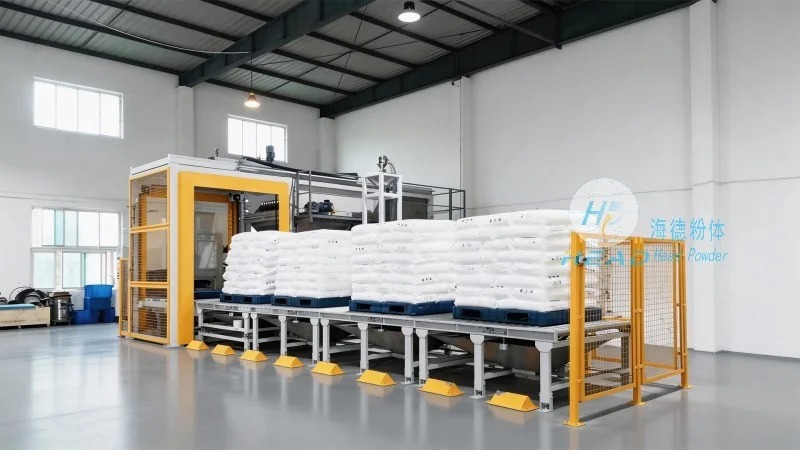
The working scenes where high-pressure bin pumps are applied exhibit several distinct characteristics that define their effectiveness and suitability for specific applications. One of the primary characteristics is the ability to handle powders with varying flow properties. Some powders, such as cohesive or sticky materials, may require additional measures like agitators or pre-drying to ensure smooth flow, while others, like free-flowing powders, can be transported more easily. The system's pressure capability is another critical characteristic, as it determines the maximum distance and height the powder can be conveyed. High-pressure bin pumps are often used in scenarios where traditional gravity or vacuum systems are insufficient, such as in long-distance or high-rise applications. Additionally, the working scene characteristics include the need for minimal maintenance and the ability to operate continuously without frequent interruptions. These systems are designed for durability and reliability, with components like wear-resistant liners and robust pump chambers that can withstand the abrasive nature of many powders. The working environment also plays a role, as high-pressure bin pumps can be integrated into both indoor and outdoor settings, adapting to various industrial layouts. For example, in manufacturing plants, they are often used to transfer powders from storage silos to processing equipment, while in mining operations, they may be used to transport ore from bins to conveyor systems. The adaptability of high-pressure bin pumps to different working scenes makes them a preferred choice for industries that require consistent and efficient powder transport solutions.
Applications and Performance in Diverse Industrial Environments
High-pressure bin pumps find extensive applications across various industrial sectors, each with unique requirements that the system addresses effectively. In the cement industry, for instance, these pumps are used to transport raw materials like limestone and clinker from storage bins to grinding mills, ensuring a steady supply of feed material. The high-pressure capability of the system allows for the efficient movement of these bulk materials over considerable distances, which is essential for large-scale cement production. Similarly, in the food and pharmaceutical industries, high-pressure bin pumps are employed to handle powders like flour, sugar, and active pharmaceutical ingredients (APIs). The system's ability to maintain low contamination levels and operate under sterile conditions makes it suitable for these sensitive applications. In the chemical industry, high-pressure bin pumps are used to transport powders such as fertilizers, pigments, and chemicals, where the system's durability and resistance to corrosion are critical. The working scene characteristics, such as the need for precise control over the flow rate and pressure, are met by the advanced design of high-pressure bin pumps, which often include variable speed drives and pressure sensors to optimize performance. The performance of high-pressure bin pumps in these diverse industrial environments is characterized by high efficiency, low energy consumption, and minimal material loss. The system's ability to handle different powder types and working conditions makes it a reliable solution for industries that demand consistent and high-quality powder transport. Furthermore, the working scene characteristics include the integration of safety features, such as pressure relief valves and emergency shut-off systems, to ensure operational safety in case of system failures. These features are particularly important in high-risk environments where the handling of powders involves potential hazards like dust explosions or material blockages. The combination of technical efficiency and safety features makes high-pressure bin pumps a preferred choice for industries that prioritize both productivity and safety in their powder handling operations.
Conclusion: The Advantages of High-Pressure Bin Pumps in Modern Powder Transport
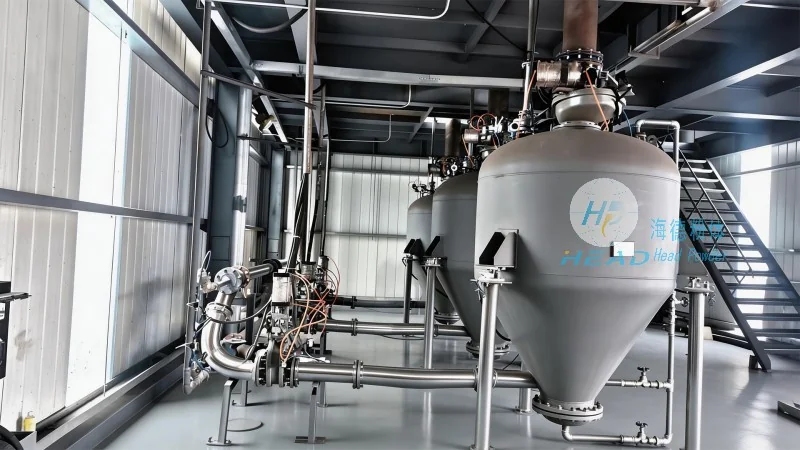
In conclusion, high-pressure bin pumps represent a sophisticated and efficient solution for the transport of bulk powders in various industrial applications. The fundamental principle of creating a pressure differential to move material, combined with the working scene characteristics that address diverse powder types and operational requirements, makes these systems highly effective. The applications of high-pressure bin pumps span multiple industries, from cement and food processing to chemical and mining, where they contribute to improved operational efficiency and reliability. The working scene characteristics, including adaptability, durability, and safety features, ensure that high-pressure bin pumps can operate in demanding environments with minimal maintenance and maximum performance. As industries continue to seek more efficient and sustainable solutions for powder handling, high-pressure bin pumps remain a vital component of modern material transport systems. Shandong HeadPowder Engineering Co., Ltd. is committed to providing advanced high-pressure bin pump solutions that meet the evolving needs of industrial clients, ensuring that powder transport processes are optimized for performance, safety, and cost-effectiveness.