

Principles and Application Scenarios of Aluminum Dross Powder Conveying
Aluminum dross powder conveying is a critical process in the aluminum industry, involving the efficient transportation of aluminum dross—a byproduct of aluminum smelting and processing—from one location to another. This process is essential for maintaining operational efficiency and ensuring the proper handling of materials within industrial settings. The principles and working scenario characteristics of aluminum dross powder conveying are vital for understanding how to manage this material effectively, especially in environments where safety, material integrity, and process optimization are paramount.
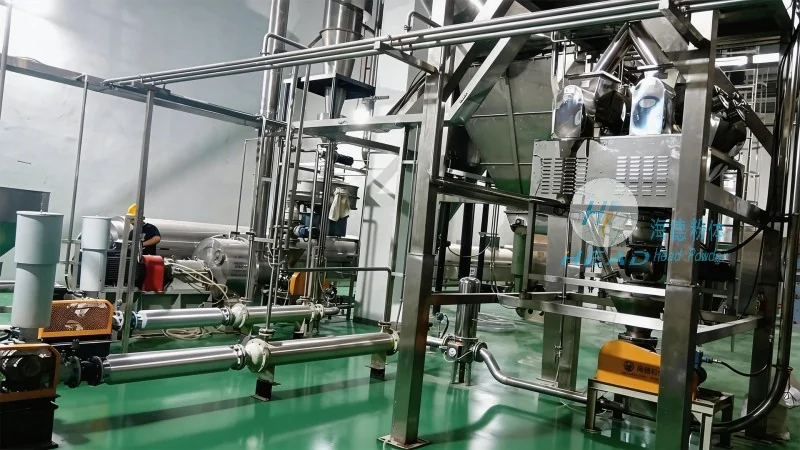
HeadPowder, a leading engineering company based in Shandong, China, specializes in providing advanced solutions for aluminum dross powder handling. With a focus on innovation and practical application, HeadPowder has developed systems tailored to the unique challenges of aluminum dross transportation. The company’s expertise lies in integrating technology with industrial requirements to deliver reliable and efficient conveying solutions for clients in the aluminum sector.
Principles of Aluminum Dross Powder Conveying
The core principle of aluminum dross powder conveying revolves around the selection of appropriate equipment and methods to move the material without degradation or loss. Aluminum dross is a fine, abrasive powder that requires specialized handling to prevent clogging, material degradation, or environmental contamination. Common conveying methods include pneumatic (air-assisted) systems, mechanical screw conveyors, and vacuum systems, each with distinct advantages depending on the application and material characteristics.
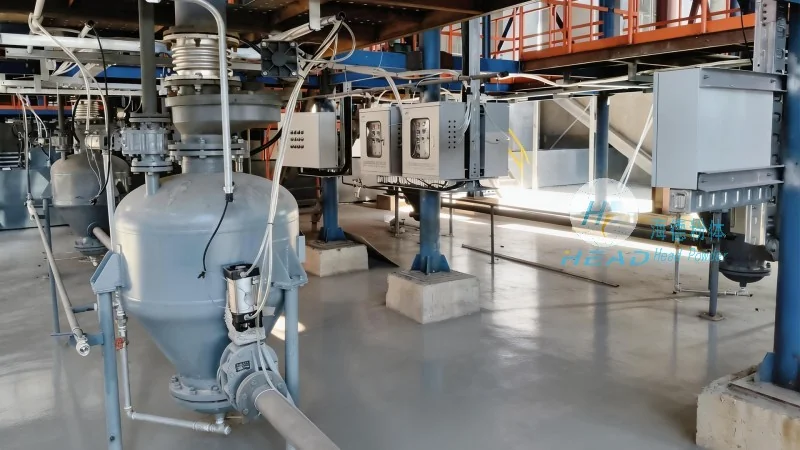
Pneumatic conveying, for instance, uses compressed air to transport aluminum dross through a pipeline. This method is ideal for long-distance or high-volume applications, as it can handle fine powders and minimize material degradation. The system typically consists of a hopper, a rotary valve, a conveying line, and a receiver. The rotary valve controls the flow of dross into the pipeline, while the air flow ensures the material is moved efficiently. Vacuum systems, on the other hand, use suction to draw dross from a source and transport it to a collection point. These systems are suitable for applications where the material needs to be moved from a lower to a higher elevation or where a closed system is required to prevent dust emissions.
Mechanical screw conveyors are another common option, particularly for shorter distances or when the material is less abrasive. These systems use a rotating screw to push the dross through a tube, providing a continuous and controlled flow. However, they may be less effective for very fine powders or materials with high moisture content, as they can lead to clogging or wear on the screw and tube.
Working Scene Characteristics of Aluminum Dross Powder Conveying
The working scenarios for aluminum dross powder conveying vary significantly based on the specific industrial application and the scale of operations. In aluminum smelting plants, for example, dross is often generated at the furnace site and needs to be transported to a processing or storage area. The environment in such settings is typically high-temperature and high-pressure, with strict safety protocols to prevent dust explosions or material contamination. The conveying system must be designed to withstand these conditions while maintaining efficiency and reliability.
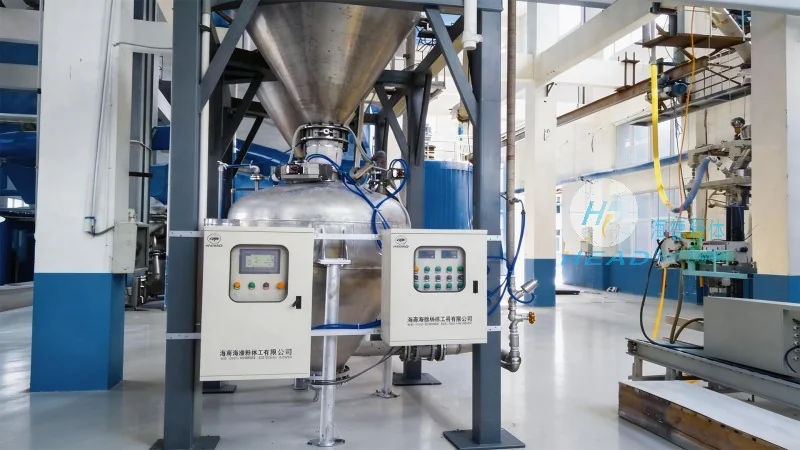
In aluminum recycling facilities, the dross is often processed to recover valuable aluminum or other metals. The conveying system in these scenarios may involve multiple stages, such as initial collection, classification, and then transport to a melting or refining unit. The working environment here is more controlled, with emphasis on material purity and process efficiency. The characteristics of the working scene, such as the need for high-purity materials or the presence of other industrial processes, influence the choice of conveying method and equipment.
Another key aspect of working scene characteristics is the need for flexibility and adaptability. Industrial operations often change, and the conveying system must be able to accommodate different material types, flow rates, or operational requirements. This flexibility is crucial for maintaining productivity and minimizing downtime. Additionally, the working scene may involve integration with other equipment, such as crushers, classifiers, or storage silos, which requires the conveying system to be compatible with these components to ensure smooth operation.
Technical Considerations and Equipment Selection
When selecting equipment for aluminum dross powder conveying, several technical factors must be considered to ensure optimal performance. The first is the material properties of the dross, including its particle size, moisture content, and abrasiveness. Fine particles may require more specialized equipment, such as high-capacity pneumatic systems, to prevent clogging and ensure efficient transport. Moisture content is also critical, as high moisture can lead to clumping or clogging in mechanical systems. Therefore, pre-drying or moisture control measures may be necessary before conveying.
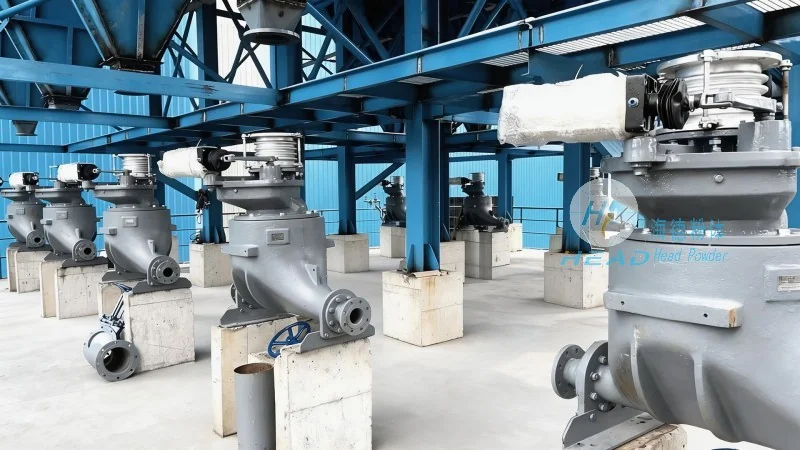
The second factor is the conveying distance and elevation changes. Long-distance or high-elevation transport may require more powerful equipment or additional components, such as booster fans or vertical conveyors, to maintain the material's velocity and prevent deposition. The choice of conveying method also depends on the desired flow rate and the need for a closed system to control dust emissions. For example, pneumatic systems are often preferred for long-distance transport due to their ability to handle high volumes and maintain a closed environment.
Third, the system must be designed with safety and maintenance in mind. Aluminum dross is a combustible material, and dust explosions are a significant risk in industrial settings. Therefore, the conveying system must include explosion-proof components, such as spark arrestors and pressure relief valves, to mitigate these risks. Regular maintenance is also essential to ensure the system operates efficiently and safely. This includes checking for wear and tear on components, cleaning the system to prevent clogging, and performing routine inspections to identify potential issues before they become major problems.