

Principle and Application Characteristics of Calcium Oxide Pneumatic Conveying System Equipment
For industrial applications involving the handling of calcium oxide, efficient and reliable material transport is crucial. The pneumatic conveying system, a technology widely adopted in powder processing industries, offers a solution that combines precision, safety, and adaptability. This article delves into the fundamental principles behind calcium oxide pneumatic conveying equipment, alongside an exploration of its typical operational scenarios and key characteristics.
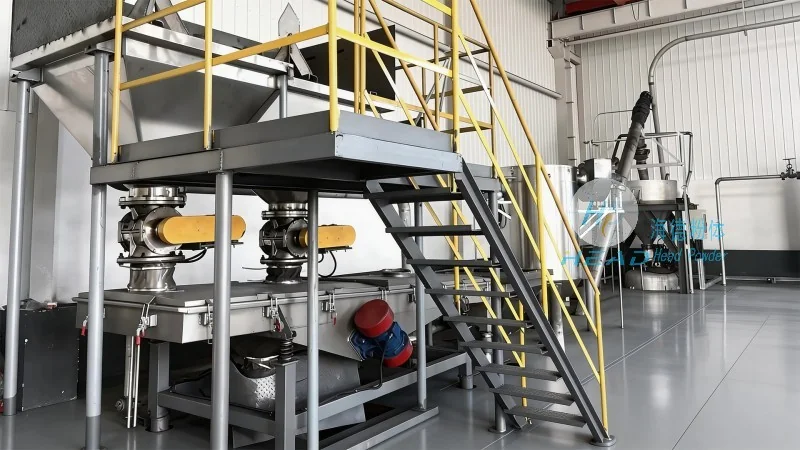
Company Overview: HeadPowder Engineering
As a leading manufacturer in the field of powder handling equipment, Shandong HeadPowder Engineering Co., Ltd. specializes in the design, development, and production of advanced pneumatic conveying systems. With a strong commitment to quality and innovation, the company has established itself as a trusted partner for businesses requiring efficient material transport solutions. HeadPowder's headquarters is located in Shandong, China, where the company leverages local expertise and resources to deliver high-quality products. The company's focus on customer-centric solutions ensures that each pneumatic conveying system is tailored to meet the unique needs of its clients, providing reliable performance in diverse industrial environments.
Principle of Pneumatic Conveying for Calcium Oxide
The core mechanism of a pneumatic conveying system involves the use of air or gas to transport solid particles, such as calcium oxide, through a pipeline. This process operates on the principle of creating a pressure differential between the conveying line and the ambient environment. By generating sufficient airflow, the system creates a "suction" or "pressure" force that propels the material forward. In the case of calcium oxide, which is often a fine powder with specific flow characteristics, the system must be designed to handle potential issues like agglomeration or caking, ensuring consistent and smooth transport.
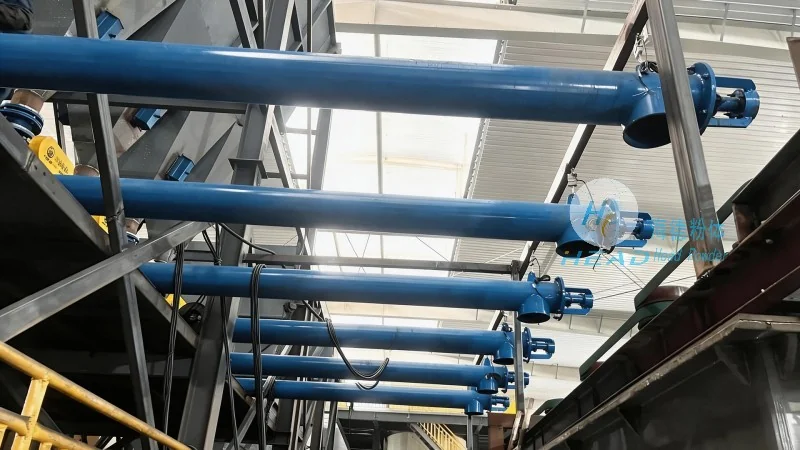
Key Components and Their Functions
A typical calcium oxide pneumatic conveying system comprises several critical components, each playing a vital role in the overall operation. These include the material feed hopper, which holds the calcium oxide and regulates the flow rate; the air compressor or blower, which supplies the necessary air pressure; the conveying line, which transports the material; and the discharge unit, which delivers the material to its destination. Additionally, control systems and monitoring devices are integrated to maintain optimal pressure, flow rates, and system efficiency. The design of these components is tailored to the specific properties of calcium oxide, such as its particle size, density, and moisture content, to ensure reliable performance.
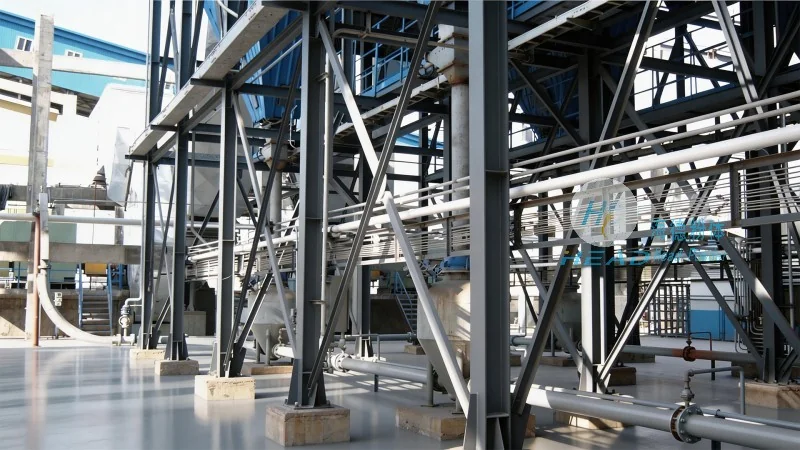
Working Scenarios and Application Characteristics
The application of calcium oxide pneumatic conveying systems spans various industrial sectors, including chemical manufacturing, food processing, and pharmaceuticals. In chemical plants, these systems are commonly used to transport calcium oxide from storage silos to processing units, facilitating seamless integration into production lines. The system's ability to handle high volumes of material with minimal human intervention makes it ideal for continuous operations. In food processing, where hygiene and contamination control are paramount, the enclosed design of the pneumatic conveying system ensures that calcium oxide is transported without exposure to external contaminants, maintaining product quality and safety standards. Similarly, in pharmaceutical applications, the system's precision and cleanliness features are essential for handling calcium oxide used in drug formulations, ensuring compliance with regulatory requirements.
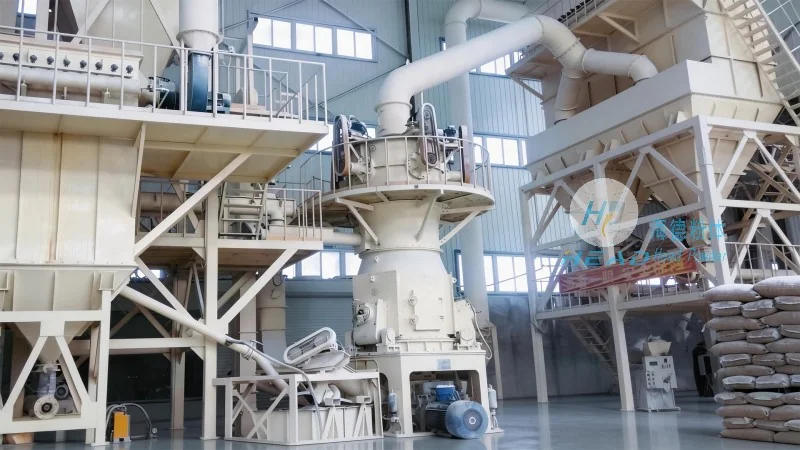
Advantages and Operational Benefits
Implementing a pneumatic conveying system for calcium oxide offers numerous advantages over traditional transport methods, such as bucket elevators or belt conveyors. One of the primary benefits is the reduction in material handling time and labor costs, as the system automates the entire transport process. Additionally, the enclosed design minimizes dust emissions, enhancing workplace safety and environmental compliance. The system's flexibility allows for easy integration with existing production lines, reducing downtime during installation and operation. Furthermore, the ability to handle fine powders without clogging or blockages ensures consistent material flow, improving overall production efficiency. These advantages make calcium oxide pneumatic conveying systems a preferred choice for industries seeking reliable and efficient material transport solutions.
Conclusion
In conclusion, the calcium oxide pneumatic conveying system represents a sophisticated and efficient solution for the transport of calcium oxide in industrial applications. By leveraging the principles of pneumatic transport, these systems offer enhanced performance, safety, and adaptability. With the expertise of companies like Shandong HeadPowder Engineering Co., Ltd., businesses can access tailored solutions that meet their specific operational requirements, ensuring optimal material handling and process efficiency. As the demand for reliable powder transport systems continues to grow, the calcium oxide pneumatic conveying system remains a key technology in modern industrial operations.