

Principles and Operational Characteristics of Polyolefin Pneumatic Conveying System Equipment
For industrial applications involving the handling of polyolefin materials, the selection of an efficient and reliable conveying system is crucial. The polyolefin pneumatic conveying system equipment, as offered by Shandong HeadPowder Engineering Co., Ltd., represents a sophisticated solution designed to meet the demands of modern material handling processes. This equipment leverages pneumatic technology to transport polyolefin powders or granules with precision and efficiency, ensuring minimal product degradation and optimal operational performance.

Principles of Polyolefin Pneumatic Conveying Systems
The core principle of polyolefin pneumatic conveying systems is the use of compressed air or other gas to create a flow that transports the material from a source to a destination. In these systems, the polyolefin material is typically fed into a hopper or feeder, where it is then introduced into a pipeline. The gas, often air, is introduced at a controlled pressure and velocity, creating a drag force that moves the material along the pipeline. This method is particularly effective for polyolefin materials, which are often lightweight and can be prone to static electricity, making traditional mechanical conveying methods less suitable. The system's design ensures that the material is conveyed without direct contact with the pipeline walls, reducing the risk of abrasion and contamination. The use of appropriate gas flow rates and pressure levels is critical to maintaining the material's integrity and preventing blockages or system inefficiencies.
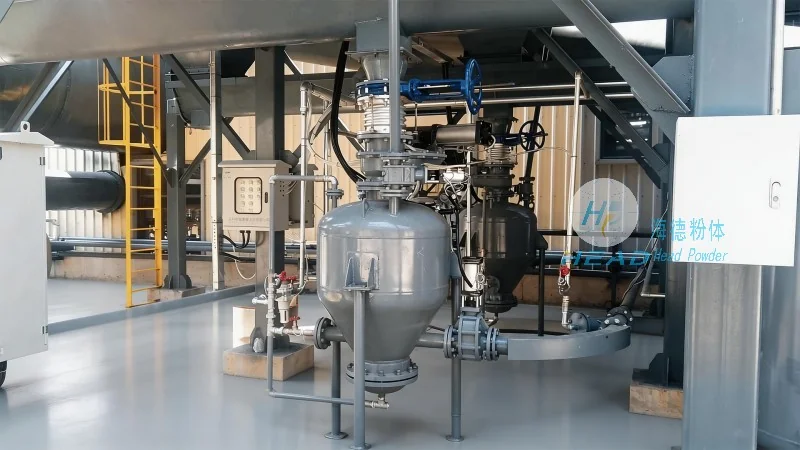
Operational Characteristics in Diverse Work Scenarios
The polyolefin pneumatic conveying system equipment from Shandong HeadPowder Engineering Co., Ltd. is engineered to operate effectively across a range of industrial environments and applications. These systems are commonly used in settings such as plastic manufacturing plants, where polyolefin resins are processed and transported between mixing, extrusion, and molding equipment. The equipment's ability to handle fine powders and granules with minimal segregation ensures that the material remains homogeneous throughout the conveying process, which is essential for maintaining consistent product quality. In addition, the system's flexibility allows it to be integrated into existing production lines, reducing downtime and installation costs. The operational characteristics also include the ability to handle varying material flow rates, from low to high throughput, making it suitable for both small-scale and large-scale production operations. The system's design also incorporates features to manage dust and particulate matter, ensuring compliance with environmental regulations and maintaining a safe working environment for personnel.
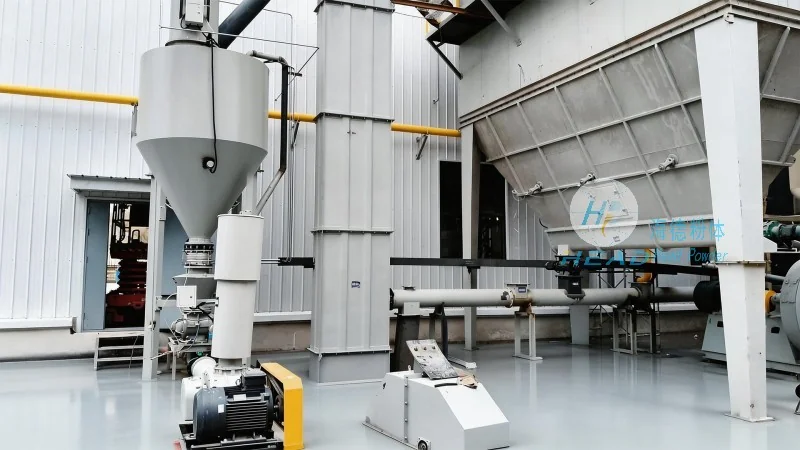
Company Overview and Commitment to Quality
Shandong HeadPowder Engineering Co., Ltd., operating under the brand name headpowder, is a leading manufacturer of specialized material handling equipment, including polyolefin pneumatic conveying systems. The company is headquartered in Shandong, China, and has established a strong reputation for delivering high-quality, reliable equipment tailored to the specific needs of its clients. With a focus on innovation and customer satisfaction, headpowder invests in research and development to enhance the performance and efficiency of its conveying systems. The company's team of engineers and technicians works closely with clients to understand their operational requirements and provide customized solutions that meet or exceed industry standards. The commitment to quality is evident in the rigorous testing and quality control processes applied to all equipment before delivery, ensuring that clients receive products that are durable, efficient, and capable of withstanding the demands of continuous industrial use. By partnering with headpowder, industries handling polyolefin materials can benefit from advanced technology and expert support that optimize their material handling processes and improve overall operational efficiency.