

Principle and Working Scene Characteristics of Plastic Powder Pneumatic Conveying System Equipment
Plastic powder pneumatic conveying systems are critical in industrial processes where the efficient and safe transport of plastic powders is essential. These systems utilize air or other gases to move plastic powders from one location to another, offering advantages such as reduced contamination, improved product quality, and enhanced operational flexibility. In this article, we explore the fundamental principles behind these systems and the key working scene characteristics that define their effectiveness in various industrial applications.
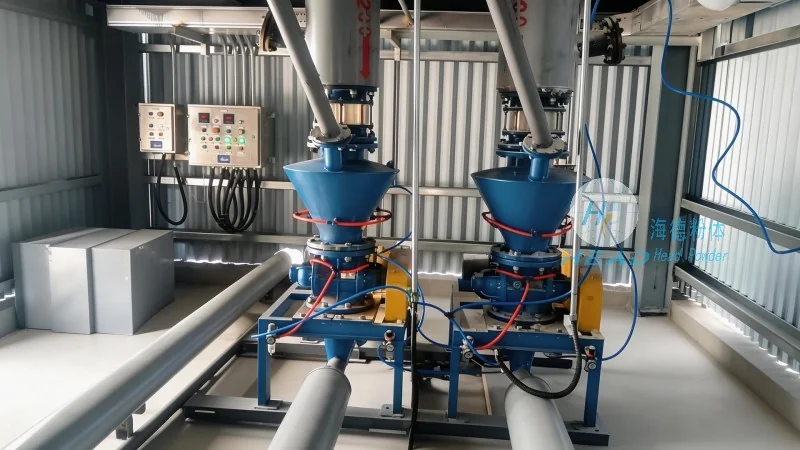
Principle of Pneumatic Conveying for Plastic Powders
The core principle of plastic powder pneumatic conveying systems is the use of differential pressure to move material through a pipeline. The system typically consists of a material hopper, a conveyor line, and a receiver or discharge point. Air is introduced into the system, creating a flow that lifts and transports the plastic powder particles. The pressure differential is maintained by a blower or compressor, which provides the necessary energy to move the material. The design of the system, including the type of air flow (e.g., dilute phase or dense phase), significantly impacts the conveying efficiency and the ability to handle different plastic powder characteristics, such as particle size, density, and moisture content.
Working Scene Characteristics of Plastic Powder Pneumatic Conveying Systems
The working scene characteristics of plastic powder pneumatic conveying systems are tailored to meet the specific demands of industrial environments. These characteristics include:
1. **Conveying Distance and Capacity**: The system's design allows for conveying plastic powders over varying distances, from short distances within a facility to long-distance transport between different production sites. The capacity of the system is determined by factors like the blower's power, the pipeline diameter, and the material's flow properties, ensuring that production lines can operate at optimal speeds without bottlenecks.
2. **Material Handling Flexibility**: Plastic powder pneumatic conveying systems are versatile and can handle a wide range of plastic powders, including polyethylene, polypropylene, polystyrene, and others. The ability to adapt to different material properties makes these systems suitable for various manufacturing processes, such as compounding, blending, and granulation.

3. **Environmental and Safety Considerations**: One of the key advantages of pneumatic conveying is the reduced risk of dust contamination and exposure to airborne particles. The enclosed system minimizes the release of plastic powder into the environment, enhancing workplace safety and compliance with environmental regulations. Additionally, the system can be equipped with dust collection and filtration systems to further improve air quality and prevent product contamination.
4. **Maintenance and Operational Efficiency**: Modern plastic powder pneumatic conveying systems are designed for ease of maintenance and long-term operational efficiency. Components such as hoppers, pipelines, and blowers are constructed from materials resistant to corrosion and wear, ensuring durability in harsh industrial conditions. Regular maintenance, including cleaning and inspection of the system, is essential to maintain optimal performance and prevent downtime.
Application Scenarios in Plastic Processing Industries
Plastic powder pneumatic conveying systems are widely used in various plastic processing industries, including:
1. **Polymer Manufacturing**: In polymer production facilities, these systems are used to transport raw plastic powders from storage silos to processing equipment, such as extruders and mixers. The efficient transport of raw materials ensures a consistent supply, which is crucial for maintaining production quality and throughput.
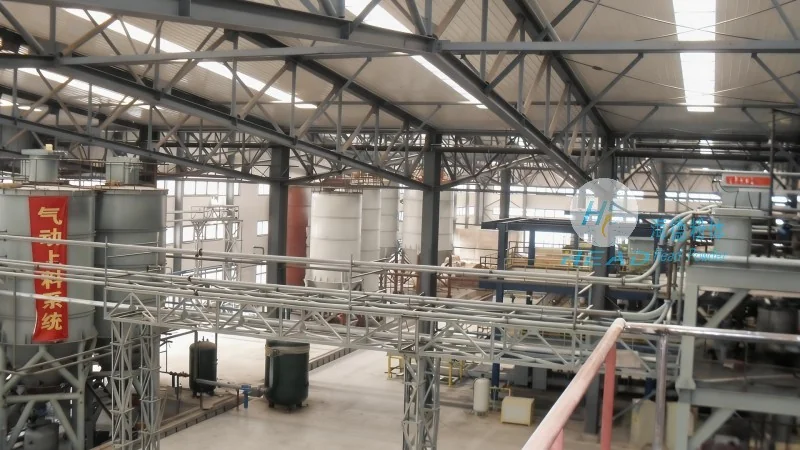
2. **Compounding and Blending**: During the compounding and blending processes, plastic powders are often mixed with additives, such as colorants, stabilizers, and fillers. Pneumatic conveying systems facilitate the precise and uniform mixing of these materials, leading to improved product consistency and performance.
3. **Granulation and Pelletization**: In granulation and pelletization processes, plastic powders are converted into smaller particles or pellets. The conveying system plays a vital role in transporting the granulated material to storage or further processing stages, ensuring smooth workflow and minimizing material loss.
4. **Waste Management and Recycling**: In recycling facilities, plastic powder pneumatic conveying systems are used to transport recycled plastic powders from sorting and cleaning stages to reprocessing equipment. This helps in maintaining a continuous recycling loop and reducing waste disposal costs.
Key Components and Design Considerations
The effectiveness of a plastic powder pneumatic conveying system depends on the proper selection and integration of key components. These components include: