

Principle and Working Scene Characteristics of Sodium Carbonate Pneumatic Conveying Equipment
HeadPowder, a leading manufacturer based in Shandong, China, specializes in the design and production of advanced pneumatic conveying systems tailored for various industrial applications, including the handling of sodium carbonate. This article explores the fundamental principles behind sodium carbonate pneumatic conveyors, alongside the key characteristics of their operational environments.
Understanding Pneumatic Conveying Systems
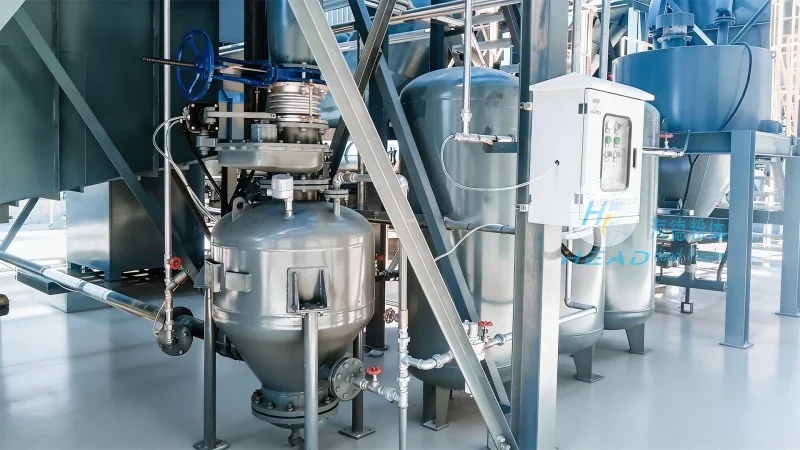
Pneumatic conveying is a method of transporting bulk materials through a pipeline using a stream of air or other gas. Unlike traditional mechanical conveying systems, which rely on belts, screws, or buckets, pneumatic systems utilize air pressure to move materials, offering advantages such as flexibility, reduced maintenance, and the ability to handle a wide range of materials, including powders and granules. For sodium carbonate, a common industrial chemical, pneumatic conveyors provide an efficient and safe means of transport, minimizing dust generation and ensuring consistent material flow.
The Principle of Sodium Carbonate Pneumatic Conveying
The core principle of a sodium carbonate pneumatic conveyor involves creating a pressure differential within a closed system. The process typically starts with a material hopper or silo, where sodium carbonate is stored. An air compressor generates high-pressure air, which is then introduced into the conveying line. As the air flows through the pipe, it draws the sodium carbonate particles into the stream, forming a dense phase or dilute phase flow, depending on the system design. The dense phase conveying, also known as "plugging flow," is often preferred for sodium carbonate due to its ability to maintain a stable flow rate and reduce material degradation. The air pressure and velocity are carefully controlled to ensure the material moves smoothly without causing blockages or excessive wear on the system components.
Key Working Scene Characteristics
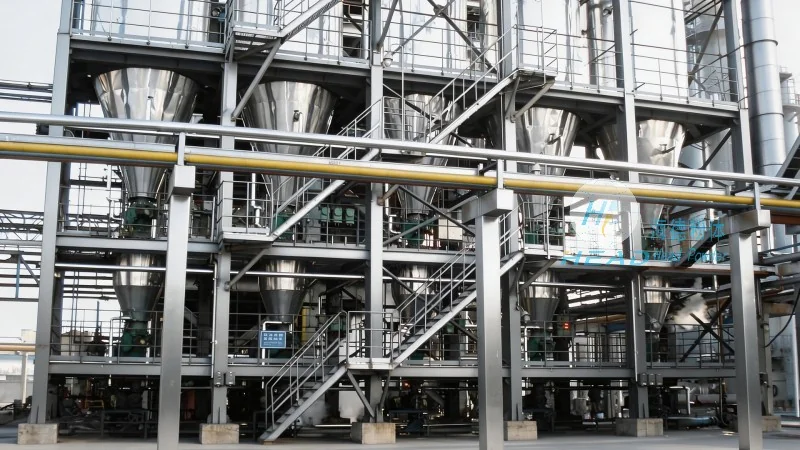
The operational environment of sodium carbonate pneumatic conveyors is characterized by several critical factors that influence system performance and efficiency. First, the material's properties, such as its particle size, moisture content, and flowability, are crucial. Sodium carbonate is typically a fine powder with good flow characteristics, making it suitable for pneumatic transport. However, variations in particle size can affect the conveying efficiency, requiring adjustments to air pressure and velocity. Second, the system's design must consider the distance and elevation changes between the source and destination points. For longer distances or significant vertical lifts, higher air pressure and more robust equipment are necessary to maintain material transport. Third, the need for dust control is a primary concern in industrial settings. Pneumatic conveyors often incorporate dust collection systems, such as cyclones or bag filters, to capture and recycle the material, reducing environmental impact and ensuring workplace safety. Additionally, the system's integration with other processing equipment, such as reactors or storage tanks, requires precise control to maintain consistent material delivery and prevent interruptions in the production process.
Applications and Industry Integration
Sodium carbonate pneumatic conveyors are widely used in various industrial sectors, including chemical manufacturing, food processing, and pharmaceuticals. In chemical plants, they facilitate the transport of sodium carbonate from storage silos to reaction vessels or packaging lines, ensuring a continuous supply of raw material. The efficiency of these systems is particularly valuable in large-scale production facilities, where downtime can lead to significant losses. In the food industry, pneumatic conveyors are used to transport sodium carbonate in food processing plants, where hygiene and material purity are paramount. The closed system design minimizes contamination and ensures that the material remains free from external particles or moisture. In pharmaceutical applications, the systems are designed to meet stringent regulatory requirements, with features such as stainless steel construction and advanced filtration to maintain product quality and safety.
Advantages and Considerations for Sodium Carbonate Handling
When evaluating pneumatic conveying systems for sodium carbonate, several advantages and considerations must be taken into account. The primary benefits include reduced labor costs, as the system automates the material handling process, and improved safety, as it eliminates the need for manual handling of powders, which can cause respiratory issues or dust explosions. Additionally, pneumatic conveyors offer flexibility in system layout, allowing for changes in production processes without major modifications. However, there are also challenges to consider. The cost of high-pressure air compressors and the energy consumption of the system can be significant, especially for long-distance or high-elevation applications. Furthermore, the system's maintenance requirements, including regular cleaning of filters and checking for air leaks, must be factored into the overall operational costs. Proper training of personnel on system operation and maintenance is essential to ensure the longevity and efficiency of the equipment.
Conclusion
HeadPowder's expertise in designing and manufacturing sodium carbonate pneumatic conveying systems reflects a deep understanding of both the material's properties and the operational demands of industrial environments. By leveraging advanced engineering principles and adhering to industry standards, the company provides reliable solutions that enhance productivity, ensure safety, and minimize operational costs. As a trusted partner in the chemical and processing industries, HeadPowder continues to innovate and adapt its systems to meet the evolving needs of its clients, ensuring that sodium carbonate is transported efficiently and effectively in various working scenarios.