

Principle and Working Scene Characteristics of Yeast Powder Pneumatic Conveying Machine
Yeast powder, a crucial ingredient in the food and beverage industry, requires efficient and hygienic handling to maintain its quality and freshness. Pneumatic conveying systems have emerged as a sophisticated solution for transporting such powders, offering advantages over traditional methods like belt conveyors or bucket elevators. This article delves into the fundamental principles of yeast powder pneumatic conveying machines, exploring how they operate and the specific scenarios where they excel.
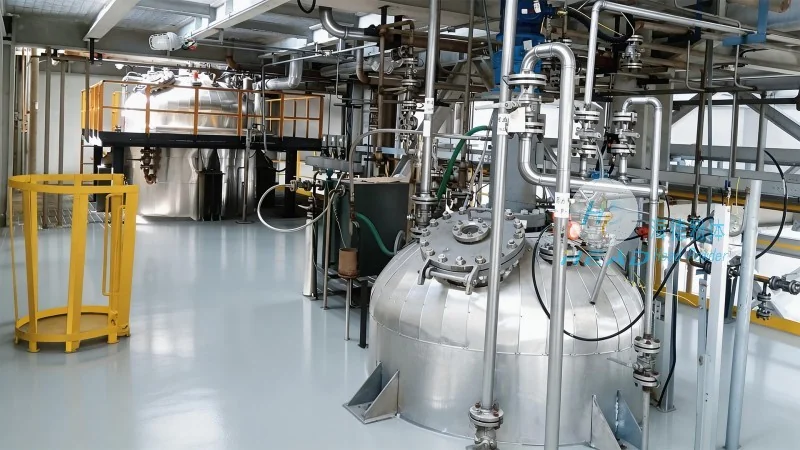
The Core Principle of Pneumatic Conveying
At its essence, a pneumatic conveying system uses compressed air or gas to transport bulk materials like yeast powder through a pipeline. The process involves creating a pressure differential between the inlet and outlet of the system, which propels the powder particles forward. There are two primary types of pneumatic conveying: dilute-phase and dense-phase. Dilute-phase systems, often used for yeast powder due to its light weight and low bulk density, rely on high-velocity air to suspend the particles, while dense-phase systems use lower velocities and higher pressure to move the material in a more controlled manner.
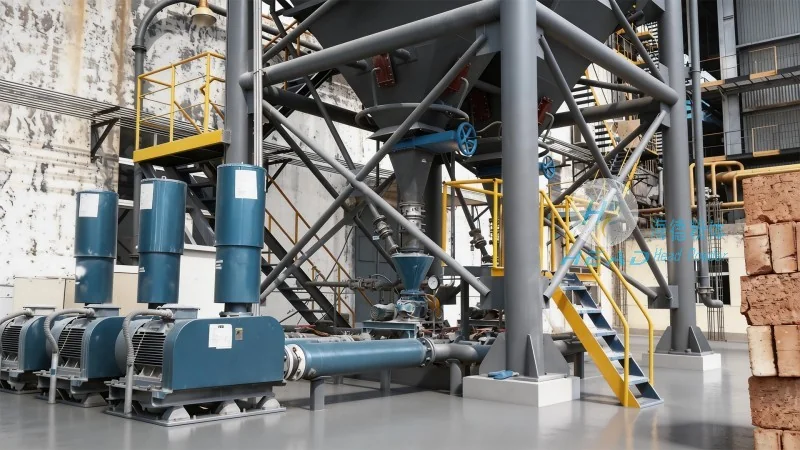
Key Components and Their Functions
Yeast powder pneumatic conveying machines consist of several critical components that work in tandem to ensure smooth operation. The main components include a hopper for material storage, a feeder to control the flow rate, a conveying line (usually made of stainless steel to prevent contamination), a filter to capture any fine particles, and a receiver for the discharged material. The compressor or blower provides the necessary air pressure, and the control system manages the entire process, ensuring optimal performance and safety.
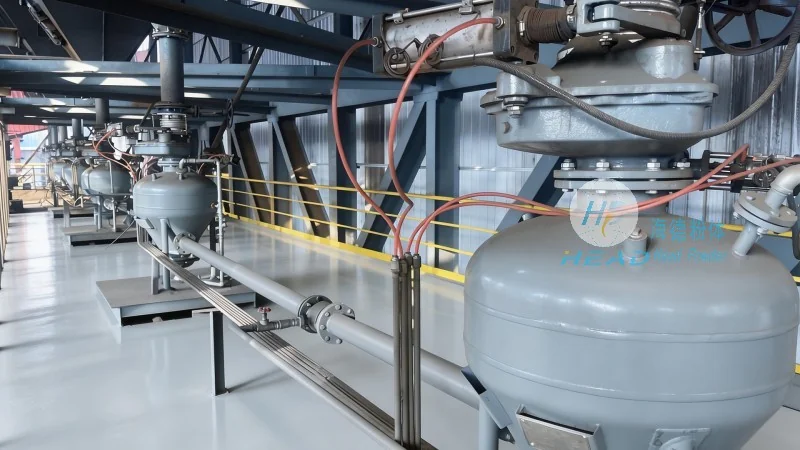
Working Scene Characteristics: Where Pneumatic Conveying Shines
The effectiveness of yeast powder pneumatic conveying machines is highly dependent on the specific working environment. These systems are particularly well-suited for applications where hygiene, dust control, and minimal product degradation are paramount. For instance, in large-scale bakeries or breweries, where yeast is used in bulk quantities, pneumatic conveyors can transport the powder from storage silos to mixing tanks without the need for manual handling, reducing the risk of contamination and improving operational efficiency.
Advantages in Specific Industrial Settings
When compared to other material handling methods, yeast powder pneumatic conveying offers several distinct advantages. First, it provides a completely enclosed system, which is essential for maintaining the purity of yeast powder, especially in food processing environments where cross-contamination must be avoided. Second, the system is highly flexible, allowing for changes in the conveying route without major structural modifications. Third, it can handle varying flow rates and material characteristics, making it adaptable to different production scales. Additionally, the absence of moving parts in the conveying line reduces maintenance requirements and extends the lifespan of the equipment.
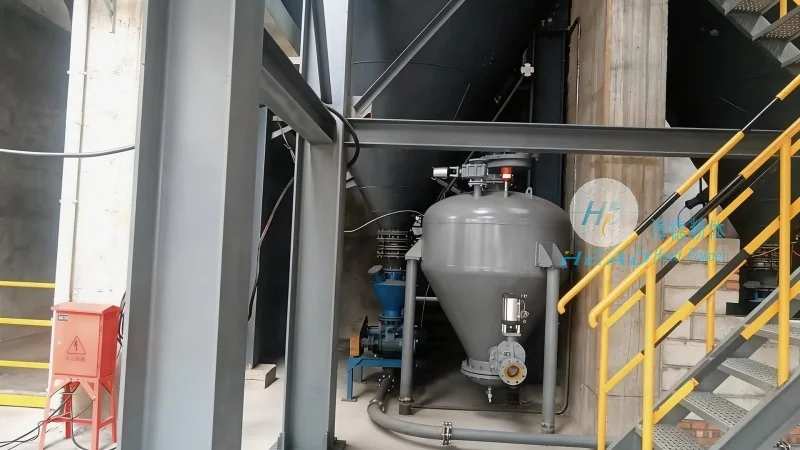
About Shandong HeadPowder Engineering Co., Ltd.
HeadPowder, as the name suggests, specializes in engineering solutions for powder handling, particularly in the food and pharmaceutical sectors. With a focus on innovation and quality, the company has developed advanced pneumatic conveying systems tailored to the unique needs of yeast powder processing. HeadPowder's products are designed to meet stringent hygiene standards, ensuring that they comply with industry regulations such as FDA and GMP. The company's headquarters is located in Shandong, China, where it leverages local expertise and resources to deliver reliable and efficient solutions to its clients worldwide.