

Working Principle and Features of a Bin Pump Material Pneumatic Conveying Machine
Bin pump material pneumatic conveying machines are essential equipment in modern material handling systems, particularly for transporting bulk materials over long distances or through complex routes. This article will delve into the working principle and key features of such machines, providing a comprehensive understanding of their functionality and benefits.
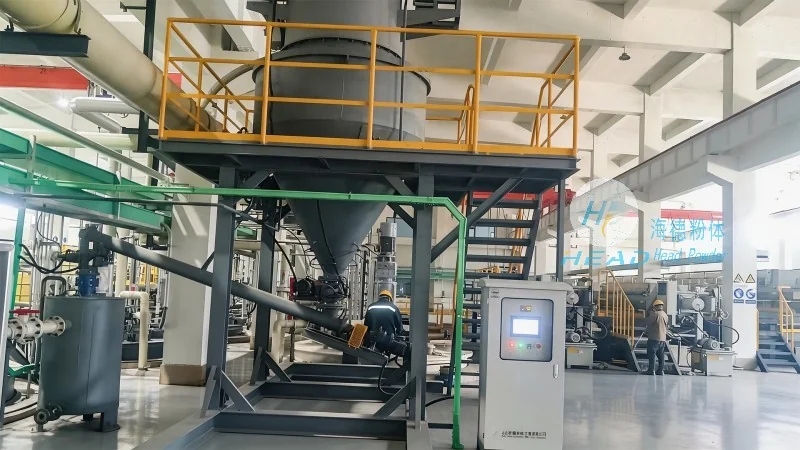
Introduction to Bin Pump Material Pneumatic Conveying Machines
HeadPowder, a leading manufacturer based in Shandong, China, specializes in the design and production of advanced material handling solutions. The bin pump, as a core component of pneumatic conveying systems, offers a reliable and efficient method for transporting various bulk materials. These machines are widely used in industries such as mining, chemicals, food processing, and construction, where the safe and effective movement of materials is critical.
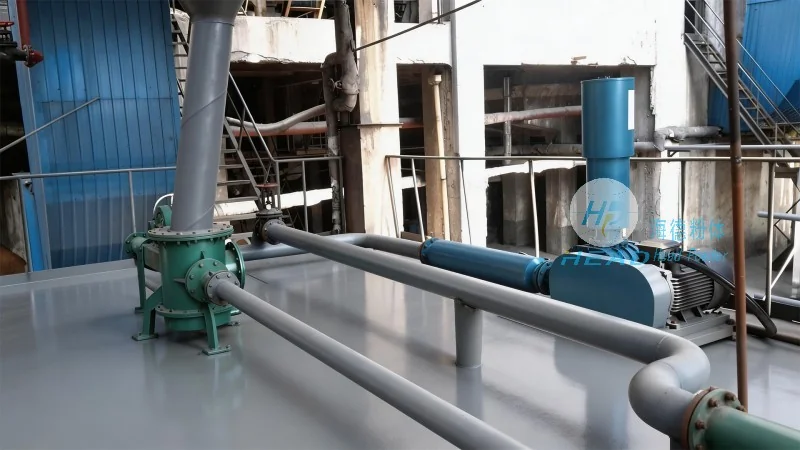
Working Principle of Bin Pump Material Pneumatic Conveying Machines
The operation of a bin pump material pneumatic conveying machine is based on the principles of pneumatic transport, which involves the use of air or gas to move materials through a pipeline. The process typically begins with the material being fed into a hopper or bin. From there, the material is drawn into the pump chamber by a vacuum or pressure created by the conveying air. The pump then discharges the material into the conveying line, where it is propelled to the destination by the flow of air. The system can operate under either positive pressure or negative pressure, depending on the specific application and material characteristics.
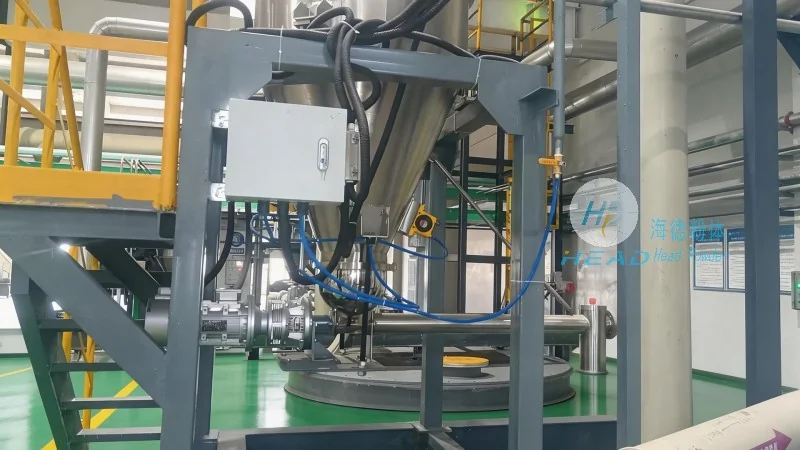
Key Features of Bin Pump Material Pneumatic Conveying Machines
HeadPowder's bin pump material pneumatic conveying machines are designed with several notable features that enhance their performance and reliability. One of the primary advantages is their ability to handle a wide range of materials, including powders, granules, and even bulk solids with varying moisture content or particle sizes. The machines are also equipped with advanced control systems that allow for precise regulation of material flow rates and pressure, ensuring consistent and efficient operation. Additionally, the design incorporates robust construction materials, such as stainless steel or corrosion-resistant alloys, to withstand harsh operating conditions and extend the equipment's service life.
Advantages and Applications
The use of bin pump material pneumatic conveying machines offers numerous advantages over traditional mechanical conveying methods. These include reduced maintenance costs, as there are fewer moving parts and less wear on components. The systems also provide better material containment, minimizing dust emissions and improving workplace safety. Furthermore, the flexibility of pneumatic conveying allows for easy integration into existing production lines and the ability to transport materials over long distances without the need for multiple transfer points.
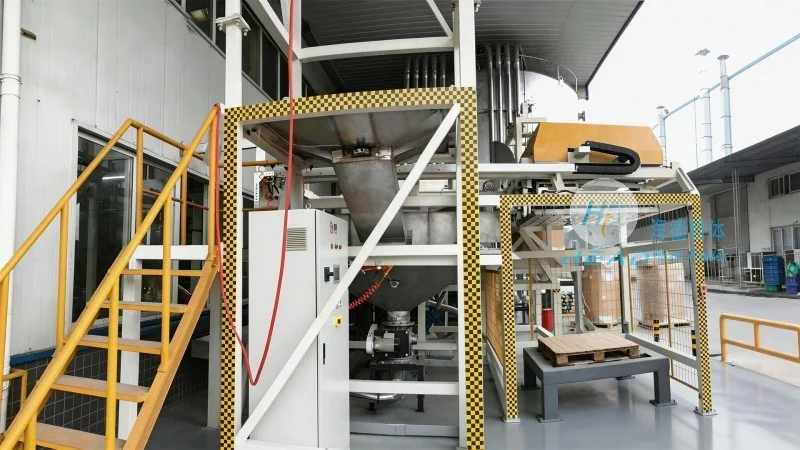
Conclusion
Bin pump material pneumatic conveying machines, manufactured by Shandong HeadPowder Engineering Co., Ltd. in Shandong, China, represent a sophisticated solution for efficient bulk material handling. By understanding the working principle and key features of these machines, industries can make informed decisions about implementing such systems to enhance productivity, reduce operational costs, and improve overall material handling efficiency.