

[W]Working Principle and Features of Cement Auxiliary Material Pneumatic Conveying Systems
Cement auxiliary material pneumatic conveying systems are crucial for the efficient handling of bulk materials in cement production facilities. These systems leverage air or gas to transport materials like limestone, gypsum, and fly ash through a pipeline network, offering a flexible and reliable solution for material transport in industrial settings.
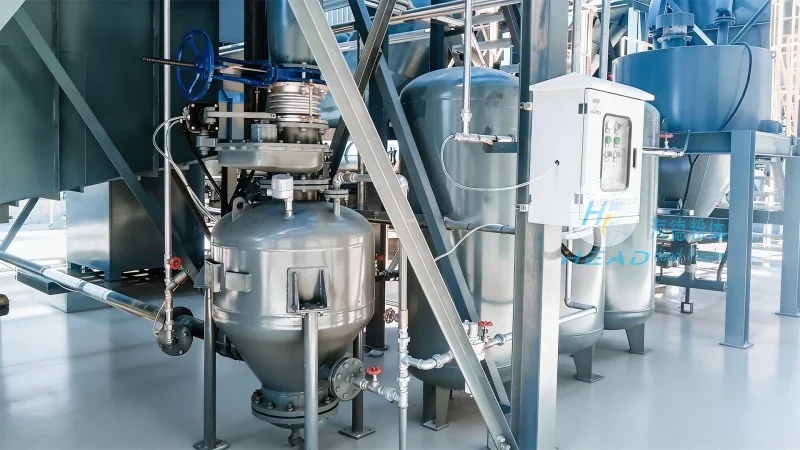
Overview of Pneumatic Conveying Systems for Cement Auxiliary Materials
Pneumatic conveying systems are essential for efficiently transporting bulk materials like cement additives and auxiliary components in industrial settings. These systems utilize air or gas to move materials through a pipeline network, offering a flexible and reliable solution for material handling in cement production and processing facilities.
Working Principle of Cement Auxiliary Material Pneumatic Conveying Systems
The core mechanism of a cement auxiliary material pneumatic conveying system involves the generation of airflow within a closed pipeline system. At the material inlet, a feeder or hopper introduces the bulk material into the system. A fan or blower then creates a pressure differential, drawing air and material particles into the pipeline. The material is carried by the air stream, which can be either positive pressure (where air pushes the material) or negative pressure (where air pulls the material). The system typically includes components such as a hopper, feeder, pipeline, and receiver, with the air flow controlled to ensure consistent material transport without blockages or degradation.
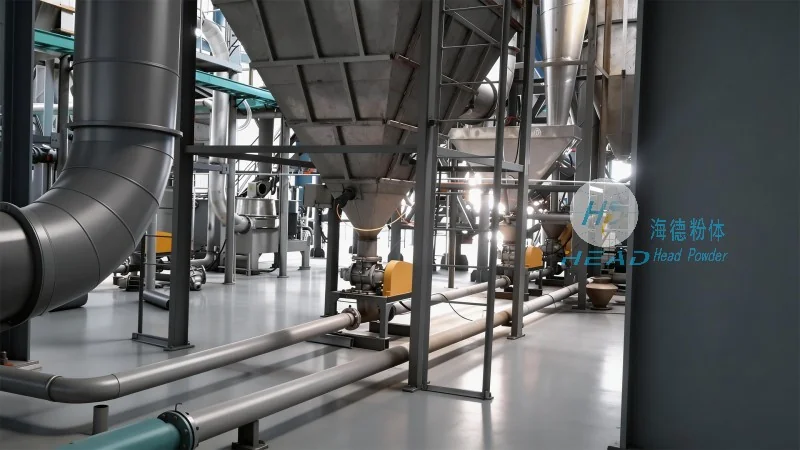
Key Features of Cement Auxiliary Material Pneumatic Conveying Systems
Cement auxiliary material pneumatic conveying systems from Shandong HeadPowder Engineering Co., Ltd. offer several advantages tailored to the demands of cement production. These features include high efficiency in material transport, minimal material degradation due to gentle handling, and the ability to handle a wide range of particle sizes and moisture contents. The systems are designed for durability and low maintenance, with robust components that can withstand the abrasive nature of cement additives. Additionally, they provide flexibility in system layout, allowing for integration into existing production lines or new facility designs. The use of air as the conveying medium also reduces the risk of contamination and fire hazards compared to mechanical systems.
Company Profile: Shandong HeadPowder Engineering Co., Ltd.
As a leading manufacturer in the field of material handling equipment, Shandong HeadPowder Engineering Co., Ltd. specializes in developing and supplying advanced pneumatic conveying solutions for the cement industry. With a focus on innovation and customer satisfaction, the company has built a reputation for producing high-quality systems that meet the stringent requirements of modern cement production. HeadPowder's systems are engineered to enhance operational efficiency, reduce downtime, and improve overall productivity in cement plants. The company's commitment to quality is reflected in its use of premium materials and rigorous testing processes, ensuring that each system delivered to clients is reliable and long-lasting.
Application in Cement Production
In cement production, auxiliary materials such as limestone, gypsum, and fly ash are critical components that require precise and consistent handling. Pneumatic conveying systems from HeadPowder play a vital role in transporting these materials from storage silos to the cement mill or other processing units. By ensuring a steady flow of raw materials, these systems help maintain optimal production rates and product quality. The systems are also adaptable to different production scales, from small-scale cement plants to large industrial facilities, making them a versatile solution for various applications.
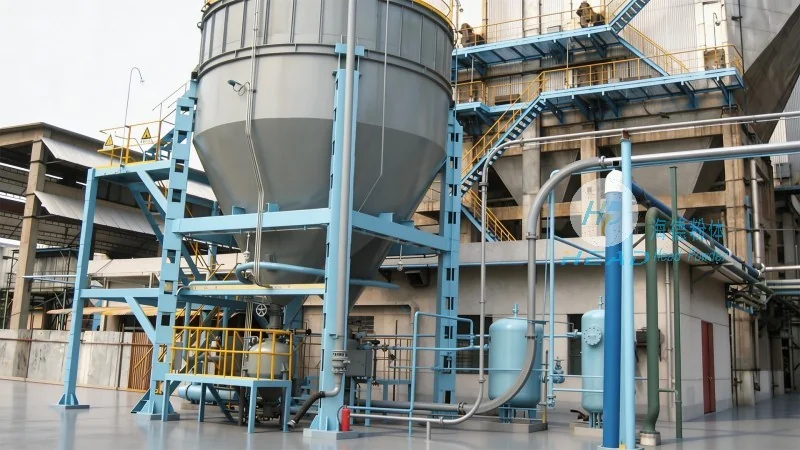
Advantages Over Traditional Conveying Methods
Compared to traditional mechanical conveying methods like belt conveyors or screw conveyors, pneumatic conveying systems offer several distinct advantages. Mechanical systems often suffer from material degradation due to friction and impact, which can affect the quality of the final cement product. Pneumatic systems, on the other hand, use air to transport materials gently, preserving their integrity. Additionally, pneumatic systems are less prone to blockages and can handle materials with high moisture content or varying particle sizes without issues. The flexibility of the pipeline layout allows for easier integration into existing plant layouts, reducing the need for extensive modifications.
Maintenance and Reliability
HeadPowder's pneumatic conveying systems are designed with reliability and ease of maintenance in mind. The use of high-quality components, such as corrosion-resistant materials and efficient fans, ensures long operational life. Regular maintenance, including air filter checks and component inspections, is recommended to maintain optimal performance. The company provides comprehensive after-sales support, including technical assistance and spare parts availability, to minimize downtime and ensure smooth operation. This focus on maintenance and reliability makes HeadPowder's systems a cost-effective choice for cement manufacturers looking to enhance their material handling capabilities.