

Working Principle and Features of Arsenic Trioxide Material Pneumatic Conveying Systems
Arsonic trioxide, also known as arsenic(III) oxide, is a critical material in various industrial applications, and the efficient handling of this substance requires specialized equipment. The pneumatic conveying system designed for arsenic trioxide material is a sophisticated solution that ensures safe, reliable, and effective material transport. This article explores the working principle and key features of such a system, highlighting its importance in industrial processes.
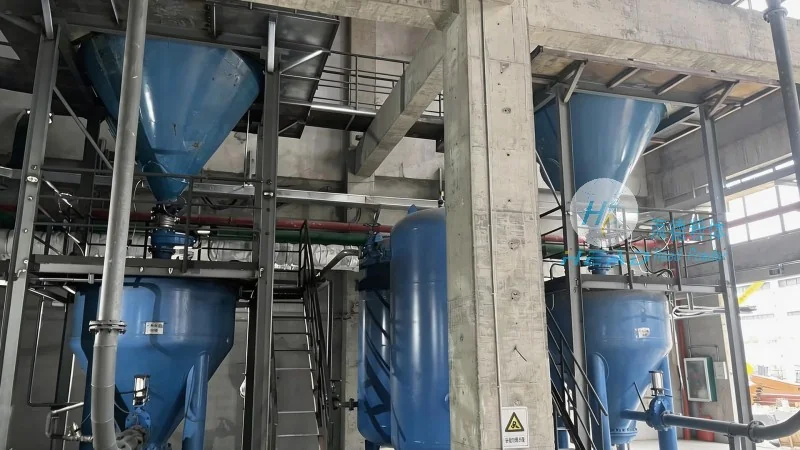
Overview of Arsenic Trioxide Pneumatic Conveying Systems
Before delving into the technical aspects, it is essential to understand the context of arsenic trioxide handling. Arsenic trioxide is a toxic, white crystalline solid that is widely used in the production of pesticides, wood preservatives, and other chemical compounds. Due to its hazardous nature, the transportation of this material demands stringent safety measures and advanced technology. The pneumatic conveying system addresses these challenges by utilizing air as the conveying medium to transport the material from one location to another without direct contact with human operators.
Working Principle of the Pneumatic Conveying System
The core of the arsenic trioxide pneumatic conveying system lies in its air-driven mechanism. The system operates by creating a pressure differential between the material feed point and the discharge point. Air is introduced into the system, typically at a high velocity, which generates sufficient force to lift and transport the solid particles of arsenic trioxide. The process can be categorized into two main types: pressure and vacuum systems. In a pressure system, compressed air is used to push the material through the pipeline, while a vacuum system pulls the material using a suction mechanism.
Within the system, several components work in tandem to ensure smooth operation. The material is first fed into a hopper or feeder, which regulates the flow rate. From there, the material is introduced into the conveying line, where it is mixed with the air stream. The air velocity is carefully controlled to prevent particle segregation or blockages. The system may include cyclones or separators at the discharge end to separate the material from the air, ensuring that the arsenic trioxide is collected efficiently and safely. The entire process is monitored and controlled by a sophisticated control system that adjusts air pressure, flow rate, and other parameters to maintain optimal performance.
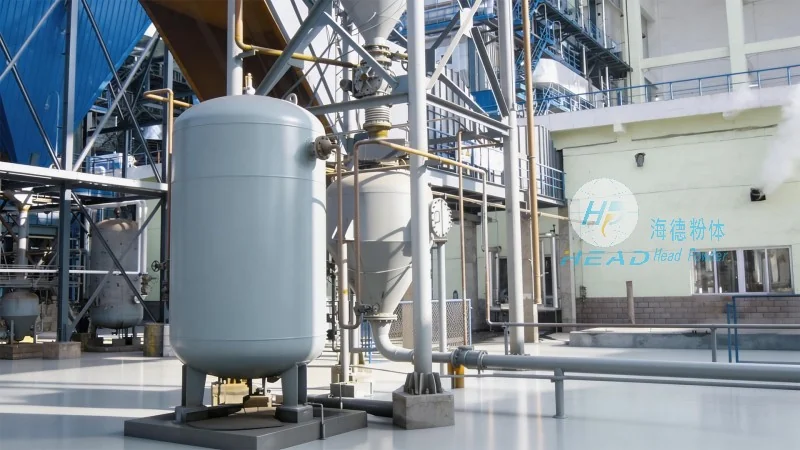
Key Features and Advantages of the System
The arsenic trioxide pneumatic conveying system offers several distinct advantages over traditional methods like belt conveyors or bucket elevators. One of the primary features is its ability to handle toxic and hazardous materials without exposing operators to direct contact. The enclosed system minimizes the risk of dust exposure and contamination, adhering to strict environmental and safety regulations. Additionally, the system provides high flexibility in terms of layout and installation, as it can be configured to follow complex routes and integrate with existing industrial infrastructure.
Another notable feature is the system's energy efficiency. By using air as the conveying medium, the system reduces the need for mechanical components like belts or chains, which can wear out over time and require frequent maintenance. The air-driven mechanism also allows for variable speed control, enabling precise regulation of material flow rates to match production demands. This adaptability is crucial in industries where the demand for arsenic trioxide fluctuates, such as during seasonal production cycles.
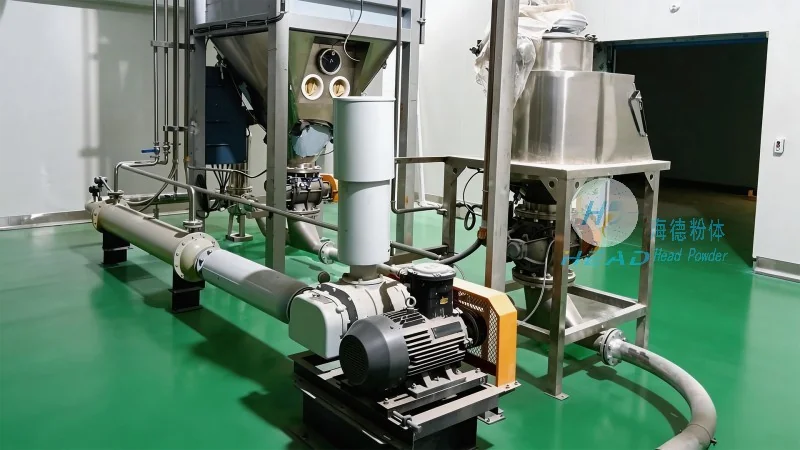
The system's reliability is another key feature. With fewer moving parts compared to traditional systems, the pneumatic conveying system experiences lower downtime and maintenance costs. The absence of direct mechanical contact between the material and the conveying components reduces wear and tear, extending the service life of the equipment. Furthermore, the system is designed to handle abrasive materials like arsenic trioxide, which can cause significant wear on conventional equipment. The robust construction and specialized materials used in the system ensure long-term durability and consistent performance.
Application and Integration with Industrial Processes
The arsenic trioxide pneumatic conveying system is widely used in various industrial applications, particularly in the chemical and pharmaceutical sectors. It is commonly employed in the production of arsenic-based compounds, where the material needs to be transported from storage silos to processing units or from reactors to packaging facilities. The system can also be integrated with other processing equipment, such as mixers, reactors, and reactors, to form a seamless production line. This integration enhances overall efficiency and reduces the risk of material loss or contamination.
In the context of Shandong HeadPowder Engineering Co., Ltd., a leading manufacturer of specialized engineering solutions, the company has developed and supplied advanced pneumatic conveying systems for arsenic trioxide handling. With years of experience in the field, HeadPowder has tailored its systems to meet the specific requirements of clients, ensuring compliance with safety standards and regulatory requirements. The company's expertise in material handling technology has enabled it to provide customized solutions that enhance operational efficiency and reduce costs for its clients.